Yame Matcha: Japan's Rising Star in Tea Culture
Nghia Tran
January 23, 2026 • 5 min read
- Executive Summary
- Yame Matcha distinguishes itself through its unique terroir, culminating in a superior flavor profile and pronounced biochemical composition.
- The cultivation and processing methodologies adopted in Yame emphasize shading techniques and post-harvest handling, significantly influencing catechin and amino acid concentrations.
- Recent agronomic innovations have enhanced yield consistency while preserving the distinctive quality attributes integral to Yame Matcha.
- Global consumption trends position Yame Matcha as a premium product within expanding functional food and beverage sectors, supported by mounting scientific validation of its health benefits.
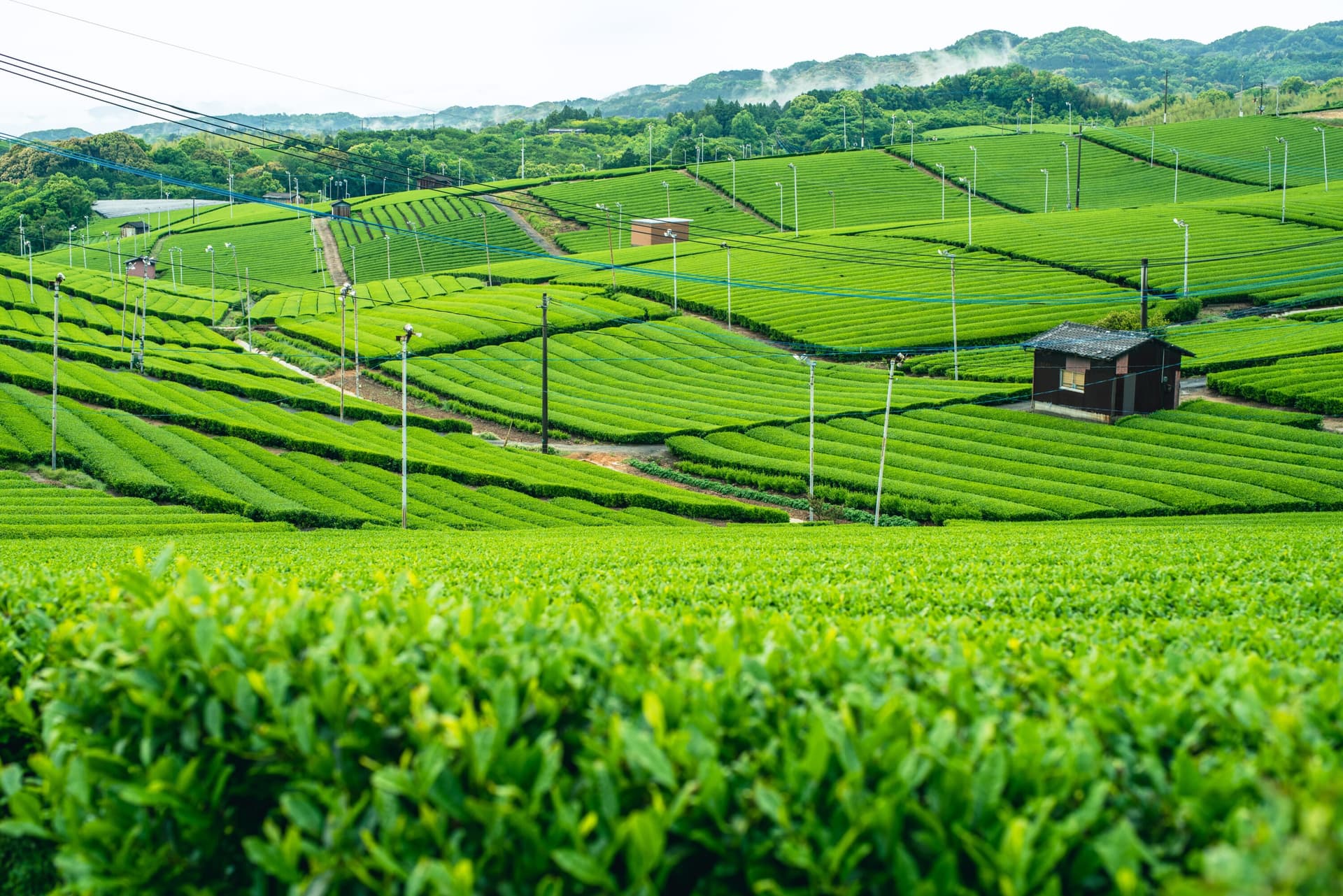
The Japanese tea-growing region of Yame has garnered increasing attention within the international tea industry due to its distinctive production of high-grade matcha. Situated in the southern sector of Fukuoka Prefecture, Yame's geographic and climatic conditions form a natural laboratory for the advancement of premium matcha cultivation. This editorial rigorously examines the scientific, agronomic, and industrial dimensions that define Yame Matcha's ascendancy in contemporary tea culture. Through an analytical lens, we explore its biochemical composition, refined cultivation techniques, processing innovations, and the global market dynamics that are catalyzing its prominence.
Terroir and Biochemical Composition of Yame Matcha
Geoclimatic Influences on Tea Plant Metabolites
Yame's temperate climate, coupled with its elevated altitudes and ample precipitation, creates conditions conducive to the synthesis of specific phytochemicals within Camellia sinensis leaves. Notably, the region experiences a prolonged low-light environment induced by extensive shading, which phenotypically alters leaf morphology and metabolite accumulation. Empirical studies highlight a significant elevation in the content of theanine—a non-proteinogenic amino acid responsible for umami flavor—and a concomitant reduction in catechin levels relative to other Japanese tea cultivars. This biochemical profile contributes to Yame Matcha's smoothness, reduced bitterness, and complex sensory characteristics.
Analytical Profiling of Yame Matcha Constituents
High-performance liquid chromatography (HPLC) and mass spectrometry analyses have quantitatively characterized the primary bioactive compounds within Yame Matcha. Key constituents include:
- Amino acids: notably L-theanine, constituting approximately 2.5–3.0% of dry weight, supporting neurotransmitter modulation.
- Catechins: epigallocatechin gallate (EGCG) levels average around 5–6%, contributing antioxidative properties.
- Caffeine: moderate concentrations that provide stimulating effects while balancing bitterness.
- Chlorophyll: heightened levels resulting from shading practices, imparting the characteristic verdant color and influencing antioxidant activity.
Such compositional data provide foundational metrics for quality control and therapeutic efficacy assessments under controlled production standards.
Cultivation and Processing Methodologies
Shading Techniques and Their Agronomic Impact
Shading methodologies are crucial in modulating photosynthetic activity, nitrogen metabolism, and secondary metabolite expression in Yame tea plants. Agricultural management employs multi-stage shading nets approximately two to three weeks prior to harvesting, reducing photosynthetically active radiation (PAR) by up to 90%. This practice induces a metabolic shift that enhances chlorophyll biosynthesis and suppresses catechin production, optimizing umami profile development. Additionally, shading influences stomatal behavior and transpiration rates, indirectly affecting leaf texture and harvest quality.
Post-Harvest Handling and Matcha Milling Processes
Following manual harvesting of young, tender leaves, Yame tea leaves undergo immediate steaming (nibancha steam timing) to arrest enzymatic oxidation. Subsequent processes include:
- Drying: Controlled temperature regimes preserve volatile aromatic compounds while diminishing moisture content to 5–6%.
- De-stemming and De-veining: Mechanical separation removes fibrous components, enhancing powder fineness.
- Grinding: Utilization of slow-rotating stone mills ensures particle size reduction to approximately 10–20 microns, critical for dissolution and mouthfeel.
The interplay of these post-harvest techniques underpins the organoleptic attributes and shelf stability of the final Yame Matcha product.
Market Dynamics and Industry Positioning
Global Demand and Premiumization Trends
In recent years, matcha's integration into global culinary and wellness markets has surged, driven by consumer demand for natural, functional ingredients. Yame Matcha, owing to its superior biochemical profile and sensory qualities, is positioned as a premium category within this expanding market segment. The premiumization trend is catalyzed by:
- Increased consumer awareness of health benefits associated with antioxidants and amino acids.
- Culinary innovations incorporating matcha in both traditional and hybridized beverage formats.
- International certifications and appellation controls that authenticate origin and process integrity.
These factors have facilitated Yame's competitive advantage vis-à-vis other regional matcha producers.
Technological Advances and Sustainability Considerations
Emerging technologies in precision agriculture, sensor-based monitoring, and controlled environment cultivation have enabled Yame producers to refine agronomic outputs while maintaining quality thresholds. Concurrently, sustainability initiatives aim to mitigate environmental impacts through:
- Implementation of organic and integrated pest management systems.
- Reduction of water and energy consumption during processing.
- Waste valorization strategies, including biomass utilization for energy recovery.
Sustainability certifications are increasingly pertinent as international buyers incorporate environmental and social governance (ESG) criteria into procurement decisions, further shaping Yame Matcha's industry trajectory.
Expert Analysis & FAQ
1. What distinguishes Yame Matcha's biochemical profile from other Japanese matcha varieties?
Yame Matcha is distinguished predominantly by its elevated L-theanine concentration and controlled catechin content, a consequence of region-specific shading protocols and unique geoclimatic conditions. This biochemical modulation results in enhanced umami taste with diminished bitterness, while maintaining antioxidative potency through regulated EGCG levels.
2. How do shading practices specifically alter the metabolic pathways in Yame tea plants?
Extended shading reduces light intensity, thereby suppressing phenylpropanoid pathways responsible for catechin biosynthesis. Simultaneously, nitrogen assimilation favors amino acid synthesis, particularly L-theanine. This physiologic adaptation optimizes leaf chlorophyll concentration and flavor precursor accumulation, fundamentally shaping the matcha's organoleptic and functional characteristics.
3. What are the critical quality control measures implemented during Yame Matcha production?
Quality control encompasses stringent monitoring at multiple junctures: leaf plucking standards ensure selection of optimal buds; immediate steaming halts enzymatic oxidation; moisture content is tightly regulated during drying; particle size post-milling is standardized to maintain solubility and texture; finally, compositional analyses using chromatographic methods validate biochemical markers tied to product authenticity and health efficacy.
4. How is Yame Matcha positioned to adapt to evolving global market trends?
Yame Matcha's adaptability lies in its integration of scientific cultivation advances and adherence to sustainability protocols that align with international market demands. Furthermore, its premium status is bolstered by robust health claims supported by emerging clinical research, appealing to functional food markets and expanding beyond Japan's domestic consumer base. Strategic engagement with certification schemes and international distribution channels will be pivotal in sustaining growth trajectories.


