Tsujiri: The Rising Global Trend in Japanese Tea
Nghia Tran
January 23, 2026 • 6 min read
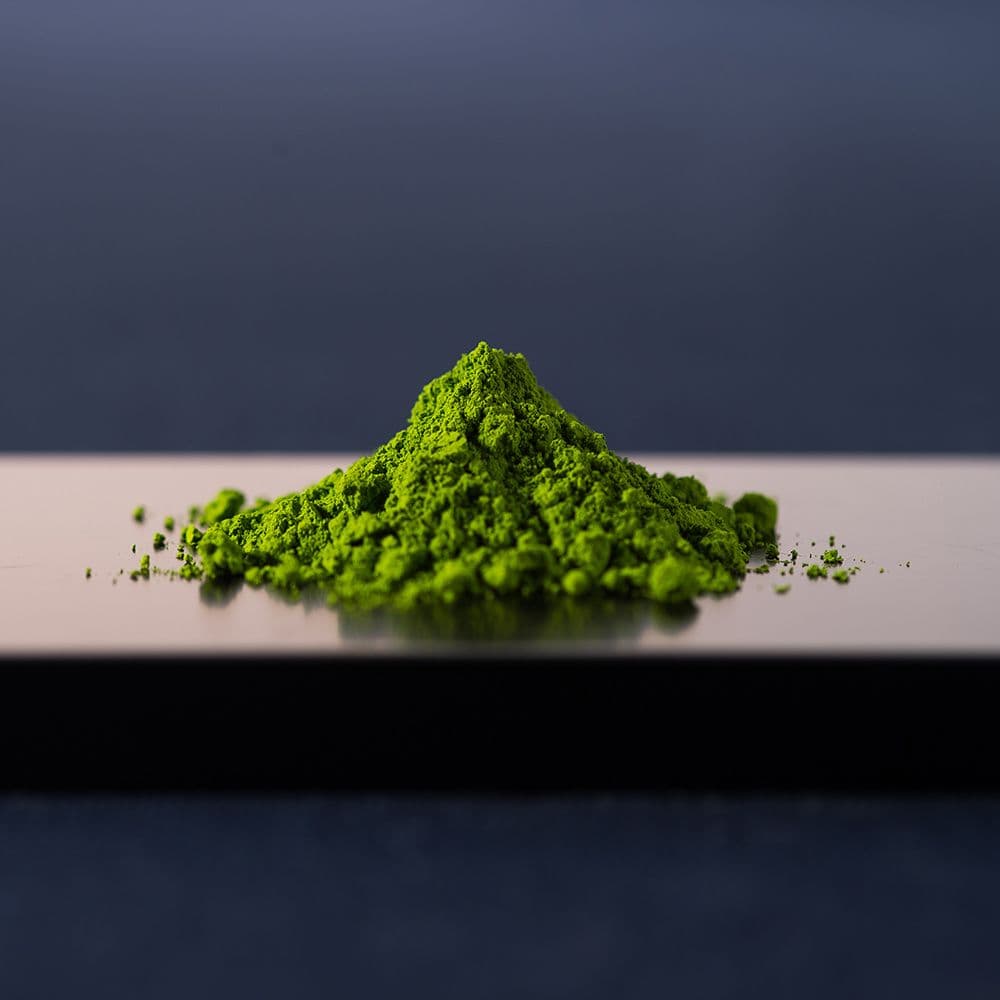
- Tsujiri exemplifies a sophisticated synthesis of traditional Japanese tea cultivation and modern processing techniques, enabling consistent quality and flavor profiles that appeal globally.
- The expansion of tsujiri-related products reflects a broader consumer shift towards authentic, health-oriented beverages with functional bioactive compounds.
- Technological advances in shading, harvesting, and grinding significantly influence the phenolic content and umami balance of tsujiri teas, impacting their sensory attributes and health benefits.
- Global distribution channels and cross-cultural interest necessitate rigorous quality control protocols to preserve the unique terroir characteristics of Japanese matcha and sencha within tsujiri blends.
- Scientific assessments of tsujiri underscore its potential in nutraceutical applications, bolstered by antioxidants such as catechins and L-theanine which affect cognitive and cardiovascular parameters.
Tsujiri, as a brand and cultural symbol, has emerged from the historical context of Uji tea cultivation in Japan's Kyoto region, where centuries-old agronomic practices converge with contemporary innovations. This Japanese tea form is distinguished not merely by its product line but by the meticulous methods underpinning the cultivation, processing, and delivery of matcha, sencha, and related green tea derivatives. The global ascendancy of tsujiri corresponds with rising consumer awareness around tea's biochemical efficacy, alongside a preference for heritage-inspired, artisanal products supported by empirical quality standards.
Cultivation and Processing Technologies in Tsujiri Production
Precision Shading and Leaf Harvesting Techniques
One of the primary determinants of tsujiri's distinct sensory and biochemical profile is its cultivation under rigorous shading regimes. The tea leaves destined for tsujiri products are often shaded for approximately three weeks prior to harvesting. This method suppresses photosynthesis, elevates chlorophyll concentration, and increases the synthesis of amino acids, predominantly L-theanine. Such physiological adaptations engender an umami-rich flavor, diminished astringency, and enhanced antioxidant capacities. Moreover, selective handpicking of the youngest leaf flushes ensures a higher density of catechins and polyphenols, constituents integral to the tea's health-promoting properties.
Grinding and Pasteurization Processes Impacting Bioactive Compounds
The conversion of harvested leaves into matcha involves delicate grinding techniques employing stone mills which preserve the thermo-sensitive catechins and volatile aromatic compounds. Traditional stone grinding, conducted at low speeds, minimizes heat generation thereby sustaining the tea's molecular integrity. Subsequent pasteurization steps—employed to extend shelf life and neutralize microbial contaminants—require calibration to avoid degradation of L-theanine and epigallocatechin gallate (EGCG). This balance between microbial safety and chemical stability is critical to maintaining tsujiri products' functional qualities.
Global Market Dynamics and Consumer Trends
Increasing International Demand for Premium Japanese Green Teas
The global proliferation of tsujiri aligns with a marked elevation in consumer demand for premium-grade Japanese teas, driven by increased health consciousness and the popularity of matcha-based beverages. Market analytics reveal a confluence of factors including rising disposable income, urbanization, and the expansion of café culture which catalyze consumption patterns in North America, Europe, and East Asia. Key demographic groups prioritize authenticity, provenance, and traceability, rendering tsujiri's emphasis on Uji-sourced tea leaves a competitive advantage in global markets.
Supply Chain Challenges and Quality Assurance in Tsujiri Exports
Despite robust growth trajectories, the exportation of tsujiri teas presents logistical and regulatory complexities. The requirement for consistent quality across international borders necessitates stringent adherence to Good Manufacturing Practices (GMP) and Hazard Analysis Critical Control Point (HACCP) frameworks. Additionally, preservation of chemical profiles during transport, especially antioxidants and volatile components, demands controlled atmosphere packaging and cold chain logistics. The scalability of supply is contingent on balancing artisanal production constraints with mechanized processing efficacy, ensuring that cultural authenticity does not compromise industrial standards.
Phytochemistry and Health Implications of Tsujiri Tea
Bioactive Constituents and Their Mechanisms of Action
Japanese green teas underlying tsujiri products exhibit high concentrations of flavonoids, notably catechins like EGCG, which demonstrate antioxidative, anti-inflammatory, and lipid-modulating effects. L-theanine, a non-proteinogenic amino acid prevalent in shaded tea leaves, has been documented to foster neuroprotection and anxiolytic effects through modulation of neurotransmitter systems, including GABAergic pathways. The synergistic interplay between caffeine and L-theanine optimizes cognitive function by promoting alertness while attenuating jitteriness. These biochemical characteristics substantiate the therapeutic potential of tsujiri teas beyond their sensory attributes.
Clinical Evidence Supporting Nutraceutical Applications
Recent clinical studies corroborate the favorable impacts of green tea consumption on metabolic and cardiovascular health parameters, with tsujiri teas constituting an exemplary source due to their enhanced phytochemical concentrations from specific agronomic interventions. Double-blind randomized controlled trials have demonstrated improvements in endothelial function, glycemic regulation, and oxidative stress mitigation associated with daily ingestion of matcha-enriched beverages. Furthermore, preliminary neurocognitive assessments indicate potential in ameliorating mild cognitive impairment, positioning tsujiri as a functional ingredient in dietary interventions targeting chronic disease risk reduction.
Expert Analysis & FAQ
What distinguishes tsujiri matcha from other Japanese green teas from a biochemical perspective?
Tsujiri matcha is distinguished primarily by its cultivation in the Uji region, where shading techniques extend beyond standard agronomic practices, concentrating L-theanine and chlorophyll levels. The stone grinding process also preserves volatile aromatic compounds integral to flavor complexity. Comparative analyses reveal higher catechin bioavailability and lower tannin-induced bitterness relative to other matcha variants due to these optimizations.
How do processing parameters impact the stability of tsujiri tea's antioxidant properties?
The thermal sensitivity of catechins and L-theanine necessitates controlled low-temperature processing during milling and drying stages to prevent oxidative degradation. Additionally, moisture content during packaging must be minimized to inhibit enzymatic activity. Modern pasteurization approaches apply rapid, controlled heat exposure to maintain microbial safety while preserving antioxidant capacity, a critical balance achieved via process optimization informed by spectrophotometric assays.
What are the challenges in maintaining tsujiri tea authenticity in global supply chains?
Authenticity depends on maintaining provenance verification, which is complicated by potential adulteration and blending during distribution. Molecular traceability techniques such as DNA barcoding and isotope ratio mass spectrometry are increasingly employed for verification. Additionally, logistical hurdles—such as environmental exposure during transit—can alter phytochemical profiles, requiring controlled conditions and comprehensive quality assurance protocols to preserve signature characteristics.
What future research directions exist for expanding tsujiri's functional health benefits?
Emerging research is investigating the precise molecular pathways through which tsujiri's bioactives exert epigenetic and microbiome-modulating effects. Longitudinal cohort studies and metabolomic profiling are planned to elucidate dose-dependent outcomes relevant for chronic disease mitigation. Furthermore, innovation in encapsulation and delivery systems aims to enhance bioavailability and consumer uptake, translating scientific findings into effective nutraceutical formulations.