Anessa Perfect UV Sunscreen: A Game Changer for Skin
Nghia Tran
January 23, 2026 • 6 min read
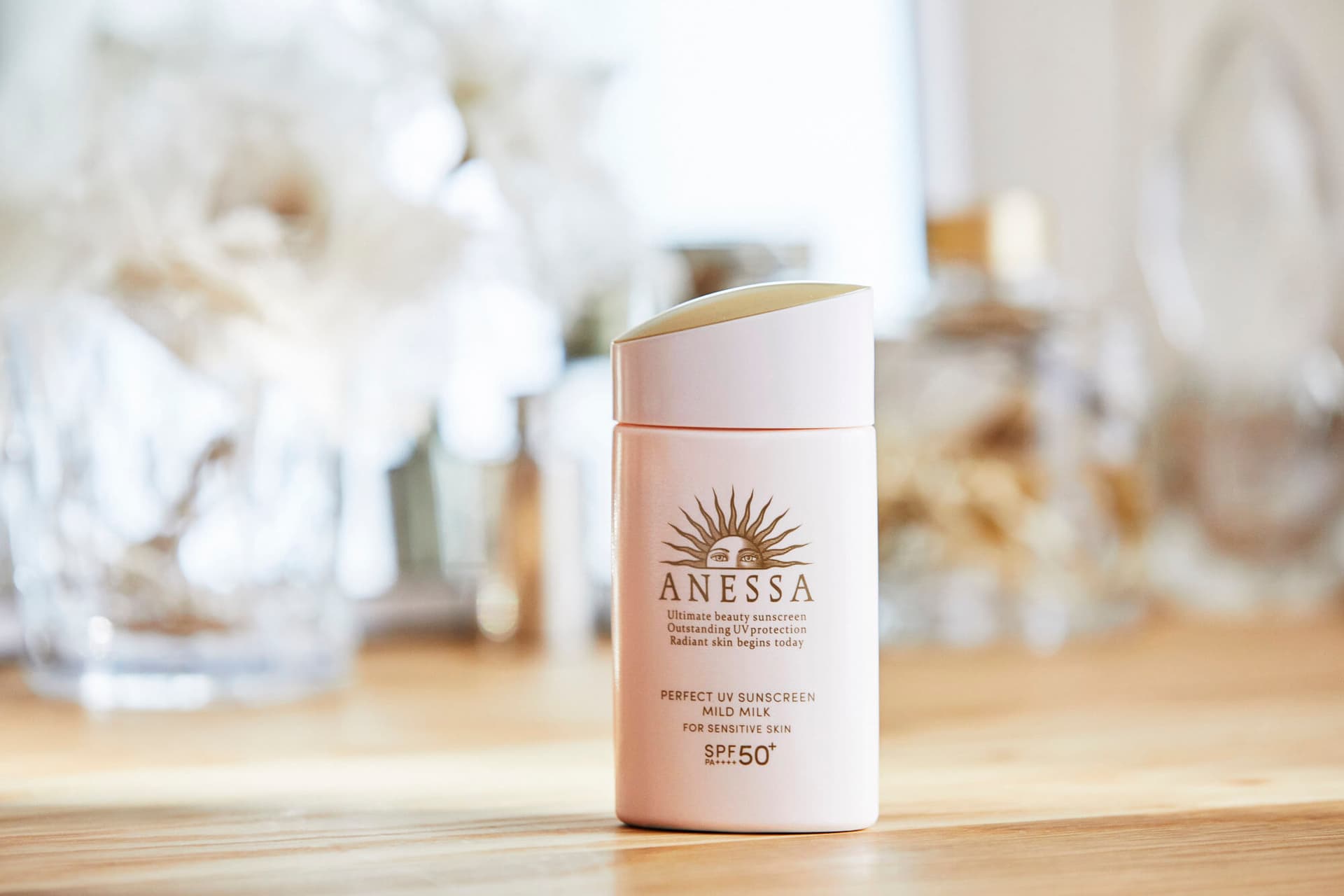
- Anessa Perfect UV Sunscreen leverages advanced broadband photoprotection technologies to deliver superior defense against UVA and UVB radiation, mitigating the risk of photoaging and photocarcinogenesis.
- Its innovative formulation integrates photostabilizers and UV absorbers with a unique Aqua Booster TM technology that enhances efficacy upon contact with water or perspiration, aligning performance with diverse environmental conditions.
- The product's dermatological compatibility and lightweight texture address consumer demand for both efficacy and aesthetics, fostering higher compliance and consistent use.
- In the context of global sunscreen innovation, Anessa exemplifies the trend toward multifunctional sun protection products incorporating anti-oxidative and moisturizing agents.
- Regulatory adherence and extensive clinical validation underpin Anessa's market credibility, reinforcing safety and performance benchmarks important to stakeholders and end-users alike.
Photoprotection remains an essential component of dermatological health, with ultraviolet radiation (UVR) exposure identified as a primary etiological factor in multiple cutaneous pathologies, including premature aging and malignancies. The evolution of sunscreen formulations reflects an ongoing scientific pursuit to optimize UVR filtration without compromising sensory experience or safety. Among contemporary advancements, Anessa Perfect UV Sunscreen represents a notable milestone, particularly in the domain of facial photoprotection.
Technological Composition and Photoprotective Mechanisms
Broad-Spectrum UV Filtration
Anessa Perfect UV Sunscreen employs a nuanced combination of organic and inorganic UV filters, achieving balanced absorption across UVB (280–320 nm) and UVA (320–400 nm) spectra. The strategic incorporation of chemical absorbers such as Tinosorb S and Uvinul A Plus works synergistically with physical blockers like titanium dioxide, facilitating a protective shield that attenuates DNA-damaging radiation effectively.
This balanced spectrum coverage is critical because UVB is primarily responsible for erythema and direct DNA damage, whereas UVA contributes to oxidative stress and deeper dermal injury. The sunscreen's Sun Protection Factor (SPF) rating typically surpasses 50+, indicating its high efficacy against erythema-inducing radiation, whereas the UVA Protection Factor aligns with high critical wavelength criteria, ensuring sustained defense.
Photostability and Aqua Booster Technology
One of the core innovations within Anessa Perfect UV's formulation is the integration of photostabilizers designed to mitigate filter degradation upon UV exposure, a common limitation in many sunscreen products. This photostability ensures consistent protection over time under solar irradiance, enhancing user confidence in long-term efficacy.
The Aqua Booster technology further differentiates the product by augmenting its protective efficacy in humid environments or during water exposure. This polymeric system reinforces the sunscreen film upon contact with moisture and sweat, reducing removal and enabling sustained adherence to the skin. The technological principle involves the hydrophobic reorganization of the formulation matrix that minimizes UV filter diffusion away from the skin surface.
Dermatological Efficacy and Consumer Compliance Factors
Formulation Aesthetics and Skin Compatibility
In addition to photoprotective capacity, Anessa Perfect UV Sunscreen is optimized for user acceptability through a lightweight, non-greasy texture that facilitates ease of application. The non-comedogenic nature reduces the risk of pore occlusion and acneiform eruptions, addressing a common barrier to sunscreen regular use, particularly among individuals with oily or sensitive skin types.
The formulation also incorporates moisturizing agents such as hyaluronic acid derivatives, which contribute to skin barrier maintenance and hydration. This dual function of protection plus skin nourishment underscores modern consumer expectations for multifunctional skincare products that integrate preventative and restorative benefits.
Clinical Validation and Safety Profile
Robust clinical studies underpin Anessa's claims, evaluating parameters such as photoprotection efficacy (e.g., Minimal Erythema Dose assessments), skin irritation potential, and long-term skin compatibility. Results generally illustrate high tolerance rates across diverse demographic cohorts and skin phototypes, with minimal adverse reactions observed, thereby sustaining medical endorsement.
Safety evaluations also encompass dermal sensitization and photoallergy testing, essential given the complex chemical composition of modern sunscreens. The product's compliance with international regulatory standards, including FDA, EU Cosmetics Regulation, and Japan's Ministry of Health, Labour and Welfare protocols, affirms its global applicability and trustworthiness.
Industry Impact and Future Innovation Trajectories
Market Positioning and Consumer Trends
The global sunscreen market is characterized by rapid innovation cycles driven by escalating consumer awareness of UV health risks and environmental sustainability concerns. Anessa's Perfect UV Sunscreen caters to a key market segment prioritizing premium, high-performance, and multi-benefit skincare products.
Consumer data reveal increasing demand for formulations that exhibit transparency in ingredients, non-toxic profiles, and environmental considerations such as coral reef safety. Anessa's progressive reformulation efforts echo industry movements towards biodegradable filters and reduced chemical load without sacrificing photoprotection potency.
R&D Directions and Technological Expansion
Looking forward, the integration of nanotechnology and biomimetic materials presents substantial opportunities to advance photoprotection. Nanocarriers for UV filters can enhance skin penetration control and filter stability, while biomimetic compounds may improve skin repair mechanisms post-UV exposure.
The concept of smart sunscreens incorporating responsive elements that modulate protection based on real-time environmental conditions is another anticipated innovation. Such advances may be reflected in future iterations of products similar to Anessa's, fortifying their role in personalized skincare regimens supported by digital health technologies.
Expert Analysis & FAQ
What differentiates Anessa Perfect UV Sunscreen from conventional sunscreens in terms of UV protection?
Anessa's formulation emphasizes photostability through advanced filter combinations and polymeric film-forming agents, which prevent degradation under prolonged UV exposure. Its Aqua Booster technology uniquely enhances efficacy upon moisture contact, a feature less common in standard formulations that often lose protective capacity with sweating or swimming. This effectively reduces the need for frequent reapplication, provided usage guidelines are followed.
How does the formulation balance efficacy with skin compatibility, especially for sensitive skin types?
The sunscreen integrates non-comedogenic excipients and hypoallergenic ingredients. By minimizing irritant potential and excluding common allergens, the product achieves high dermatological tolerance. Additionally, the inclusion of moisturizing agents supports skin barrier integrity, reducing dryness or irritation often associated with sunscreen use.
Are there environmental considerations associated with the chemical filters in Anessa Perfect UV Sunscreen?
While effective UV filters are essential for skin protection, some chemical filters have raised ecological concerns, particularly regarding coral reef toxicity and bioaccumulation. Anessa has responded by reformulating to exclude or reduce filters with higher environmental impact profiles and exploring biodegradable alternatives. However, continued innovation is necessary to balance human photoprotection and ecosystem sustainability fully.
What future developments in sunscreen technology could augment products like Anessa Perfect UV Sunscreen?
Emerging technologies include nanocarrier systems for controlled UV filter delivery, improved photostabilizers derived via biomimicry, and smart formulations responsive to UV intensity or skin condition. Integration with wearable UV sensors and data-driven personalization may also refine application protocols, enhancing overall protection efficacy on an individual basis.