Why Japanese Matcha is Dominating Global Tea Culture
Nghia Tran
January 23, 2026 • 5 min read
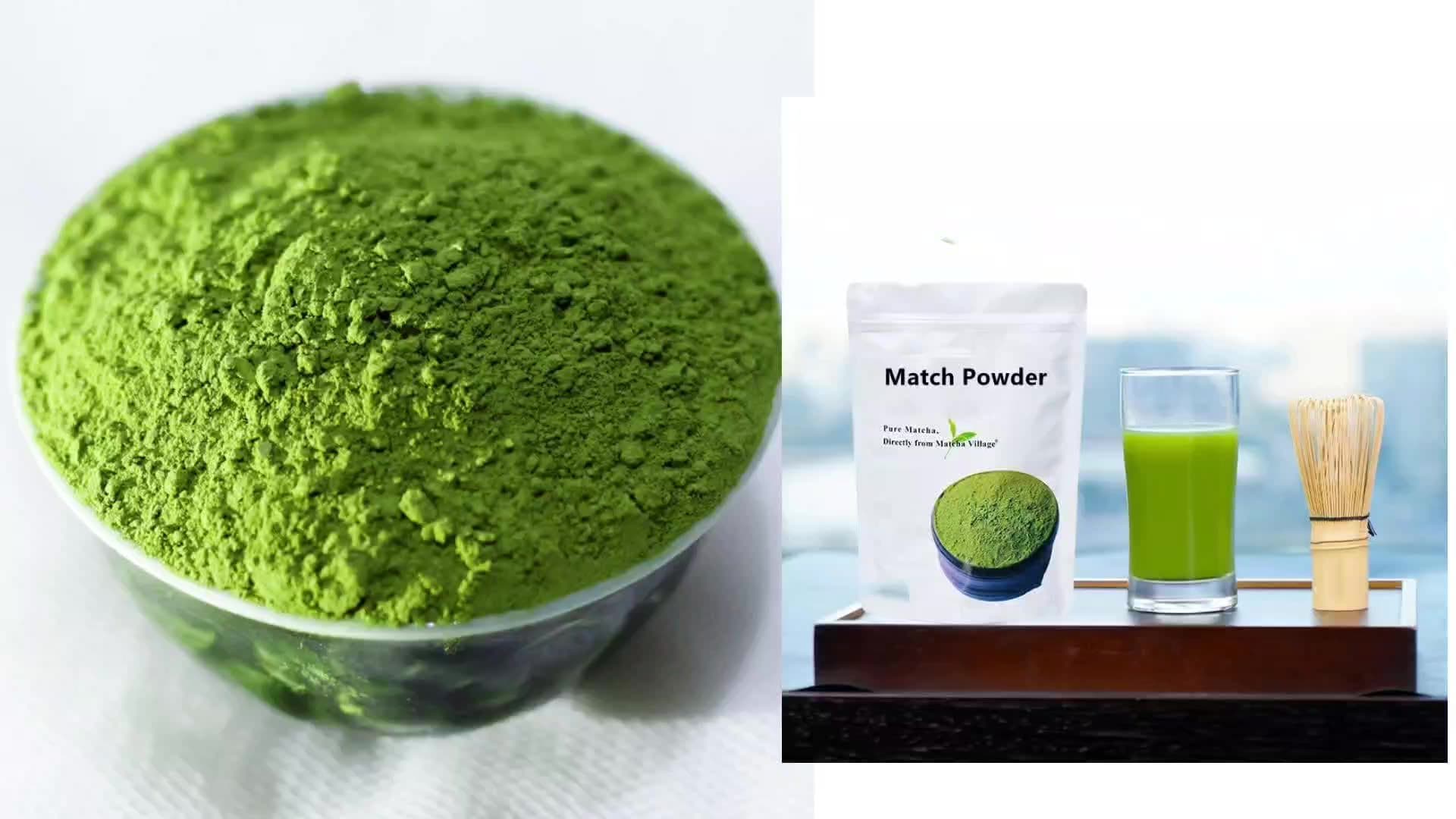
- Japanese matcha's chlorophyll-driven cultivation techniques enhance its distinct flavor and bioactive profile, contributing to rising global demand.
- The predominance of ceremonial-grade matcha underscores Japan's ability to maintain quality standards unmatched outside its borders.
- Scientific research increasingly validates matcha's health benefits, positioning it as both a functional ingredient and a cultural icon.
- Innovations in processing and distribution logistics enable expanded global accessibility without sacrificing product integrity.
- Matcha integrates seamlessly within diverse markets, fueling cross-industry applications from wellness to gastronomy.
The proliferation of Japanese matcha on the international stage reflects a convergence of agricultural precision, biochemical distinctiveness, and cultural significance. Unlike conventional green teas, matcha involves meticulous cultivation shading techniques to elevate chlorophyll content and reduce bitterness, a process which directly impacts its sensory characteristics and nutrient density. This intentional agronomy, coupled with harvesting methods timed to optimize chemical constituents such as L-theanine and catechins, ensures the product retains a superior quality benchmark. Consequently, Japanese matcha commands attention not only for its flavor profile but also for its scientifically substantiated health benefits, which have propelled it into a dominant position within the global tea industry.
Agronomic Techniques Underpinning Matcha's Superiority
Shading Practices and Their Biochemical Impact
Central to Japanese matcha's cultivation is the strategic use of shading nets covering tea plants approximately three weeks prior to harvest. This intervention reduces photosynthetic activity, prompting plants to upregulate chlorophyll production while simultaneously enhancing amino acid concentration, particularly L-theanine. The biochemical outcome of shading manifests as a deeper green hue and a distinct umami flavor profile, characteristics that are emblematic of premium matcha. Anecdotal preference for taste is substantiated by assays indicating increased catechin stability and antioxidant potency under such cultivation conditions, which differentiate matcha from conventional green teas.
Harvest Timing and Leaf Selection Methodologies
Harvest timing is calibrated meticulously, favoring early spring flushes when young leaves embody optimal levels of secondary metabolites beneficial for health and taste. Only the youngest, most tender leaves—traditionally the first two leaves and a bud—are selected to produce tencha, the precursor to matcha powder. This selective harvesting enhances the final product's uniformity in texture and chemical composition. Post-harvest processing prioritizes rapid steaming to arrest oxidation, preserving catechins and polyphenols critical for antioxidant activity, followed by careful drying before stone-grinding to avoid thermal degradation.
Processing and Quality Control Paradigms
Tencha to Matcha: Grinding and Particle Size Optimization
The conversion of tencha leaves into matcha powder is a technically demanding phase, achieved predominantly via low-speed stone milling to maintain particle integrity and minimize heat generation. The resultant powder features a particle diameter typically between 5 and 10 microns, a critical parameter influencing solubility, mouthfeel, and visual consistency. This fine granularity enables maximal extraction of bioactive compounds upon preparation. Technical studies have correlated particle size distribution with the sensory perception and antioxidant release rates, emphasizing the importance of maintaining stringent grinding standards.
Quality Classification and Third-Party Evaluation
Japanese matcha quality is stratified into varying grades, primarily culinary and ceremonial, distinguished by color vibrancy, aroma concentration, and elemental content. Formal certification frameworks developed in concert with agricultural and food safety authorities ensure these standards are upheld. Analytical methodologies including high-performance liquid chromatography (HPLC) and spectrophotometric assays quantify catechin, caffeine, and chlorophyll levels, providing objective measures. These rigorous quality controls bolster consumer trust and facilitate international trade, aligning with food safety regulations in import markets.
Global Market Penetration and Cultural Integration
Health-driven Consumer Trends Fueling Demand
The ascent of health-conscious consumers worldwide has augmented interest in functional beverages, situating Japanese matcha as a leading candidate due to its rich antioxidant content and neuroactive compounds such as L-theanine. Clinical studies associate matcha consumption with enhanced cognitive function, cardiovascular benefits, and metabolic regulation, which have been extensively disseminated through peer-reviewed journals and health platforms. This empirical evidence attracts sectors beyond traditional tea enthusiasts, including wellness, sports nutrition, and dermatology, thereby broadening matcha's demand base globally.
Diversification Across Culinary and Commercial Sectors
Japanese matcha's adaptability allows its incorporation into an array of culinary applications, from beverages and confections to savory dishes and dietary supplements. Food technologists leverage matcha's natural green pigment and flavor profile to formulate novel products that meet clean-label and functional food criteria. Furthermore, advancements in distribution logistics, such as controlled atmosphere packaging and cold-chain transport, ensure potency preservation during export, thus facilitating access to emerging markets in Europe, North America, and Southeast Asia. This cross-sector expansion underscores matcha's role as both a cultural artifact and a commercial commodity.
Expert Analysis & FAQ
How do Japanese cultivation practices influence the bioavailability of matcha's polyphenols compared to other green teas?
Japanese shading techniques increase the concentration of L-theanine and catechins, which interact synergistically to improve polyphenol bioavailability. The fine powder form ensures ingestion of whole leaf material, unlike steeped teas limited to aqueous extraction, thereby enhancing systemic absorption and antioxidant efficacy as demonstrated in pharmacokinetic studies.
What scientific evidence supports the neurocognitive benefits of Japanese matcha?
Randomized controlled trials indicate that matcha's combined profile of caffeine and L-theanine promotes improved attention, working memory, and reduced mental fatigue. Neuroimaging studies corroborate these findings by showing modulation in alpha-wave brain activity post-consumption, which is linked to relaxation without drowsiness.
In what ways do processing parameters safeguard the nutritional integrity of matcha powder?
Post-harvest steaming deactivates oxidative enzymes, preventing polyphenol degradation. Low-temperature drying and stone milling minimize thermal damage to phytochemicals, preserving both antioxidant capacity and visual quality. Quality assurance via chromatographic profiling ensures consistency across batches.
What challenges remain in scaling Japanese matcha production to meet global demand?
Challenges include the labor-intensive nature of shading and selective harvesting practices, dependence on specific climatic conditions, and maintaining quality standards during mass production. Additionally, logistic complexities related to perishability and shelf-life require ongoing innovation in packaging and supply chain management to sustain product integrity at scale.


-01K7R461YA6X0ERK9PHE4062CT.webp&w=1920&q=75)
