Yamamasa Koyamaen Matcha: A Fusion of Tradition and Wellness
Nghia Tran
January 23, 2026 • 6 min read
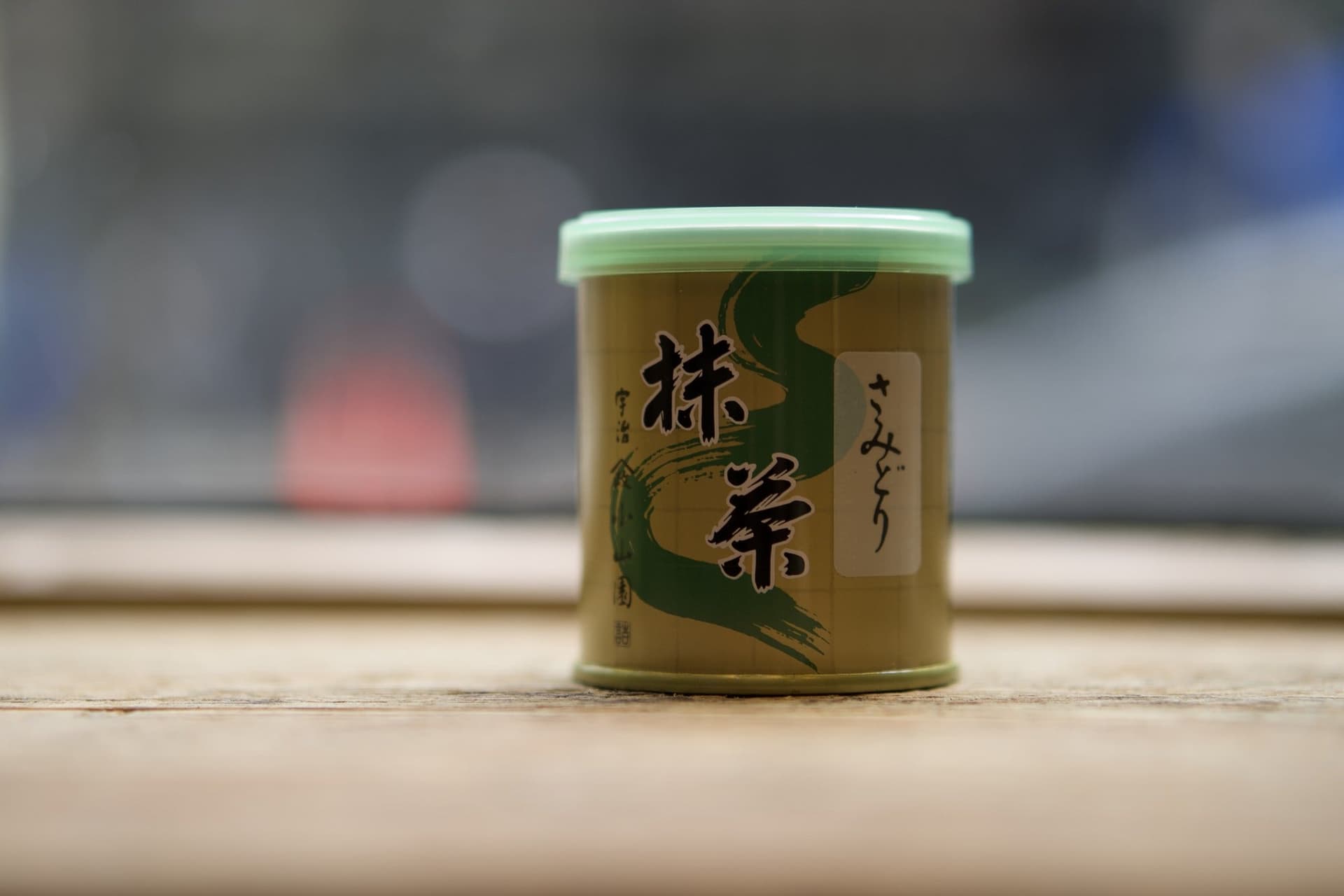
- Yamamasa Koyamaen epitomizes the integration of centuries-old cultivation techniques with contemporary agricultural innovation, fostering unmatched matcha quality.
- The biochemical composition of Yamamasa Koyamaen matcha underpins its growing significance within therapeutic nutrition and functional food markets.
- The rigorous processing standards maintain phytochemical integrity, supporting its position as a premium ingredient for global wellness formulations.
- Understanding terroir and cultivar selection is foundational to assessing its unique sensory and bioactive profiles.
- Scientific research validates its potential role in cognitive enhancement, oxidative stress reduction, and metabolic regulation.
The cultivation and production of Yamamasa Koyamaen matcha represent a paradigmatic example of how traditional artisanal methods can harmonize with scientific agronomy to yield a product of exceptional biochemical and sensorial characteristics. Rooted in an 18th-century lineage of tea cultivation in Uji, Kyoto, Yamamasa Koyamaen employs precisely calibrated shading techniques, nutrient management, and harvest timing to optimize concentrations of key biomolecules such as catechins, theanine, and chlorophyll. This interplay of environment, cultivar genetics, and advanced agricultural protocol culminates in matcha powders characterized by superior color, flavor complexity, and health-promoting compounds.
Historical and Agricultural Foundations of Yamamasa Koyamaen Matcha
Traditional Cultivation Techniques
The origins of Yamamasa Koyamaen trace back to the 18th century, where sustained generational knowledge preserved specific horticultural practices. Notably, the strategic application of shade netting approximately 3 weeks prior to harvest significantly influences the biochemical profile of the tea leaves. This shading process elevates the synthesis of amino acids, especially L-theanine, by modulating photosynthetic pathways and reducing catechin astringency. Moreover, soil health is meticulously maintained through organic amendments and rotational planting to enhance mineral uptake and root vitality. These agronomic nuances contribute to the authentic umami and balanced bitterness distinctive of Yamamasa Koyamaen matcha.
Genetic and Environmental Variables: Terroir Considerations
The concept of terroir plays a critical role in the qualitative attributes of Yamamasa Koyamaen matcha. The mineral composition, pH, and moisture content of the Uji region's alluvial soils affect leaf metabolism and secondary metabolite synthesis. Additionally, climatic factors such as temperature gradients, humidity, and sunlight exposure are rigorously documented to assess their impact on phenolic content and chlorophyll stability. Yamamasa Koyamaen cultivars also undergo selective breeding to enhance leaf robustness under these environmental constraints, thus ensuring consistency in biochemical constituents across harvest cycles. The interaction between genotype and microclimate ultimately defines the matcha's organoleptic properties and bioactive compound profile.
Processing Methodologies and Quality Assurance
Post-Harvest Handling and Grinding Precision
The transformation of fresh tea leaves into matcha powder encompasses several critical steps designed to preserve phytochemical integrity. Once leaves are harvested, they are immediately subjected to a steaming process to deactivate oxidative enzymes, particularly polyphenol oxidase, thereby preventing degradation of catechins and maintaining chlorophyll pigmentation. Subsequently, leaves are carefully dried under controlled temperatures to avert volatile flavor loss. The de-veining and de-stemming phases ensure a refined tannin balance and smoother palate experience. Final milling is executed using traditional stone grinders operating at low RPMs to produce a fine particle size distribution without inducing heat stress, which could compromise delicate bioactive molecules. These procedural controls delineate Yamamasa Koyamaen's superior matcha from mechanically processed counterparts.
Analytical Quality Control Metrics
Robust quality assurance frameworks underpin Yamamasa Koyamaen's market credibility as a premium matcha producer. Routine sampling includes quantitative high-performance liquid chromatography (HPLC) to profile catechin variants such as epigallocatechin gallate (EGCG), epicatechin gallate (ECG), and epigallocatechin (EGC). Spectrophotometric assays quantify chlorophyll concentration and carotenoid content to validate vibrant green coloration indicative of freshness. Additionally, amino acid quantification methods ascertain L-theanine levels, an important determinant of the product's relaxing and umami taste attributes. Microbiological testing safeguards product safety, while heavy metal screening ensures compliance with global standards for agricultural products. These integrated metrics enable Yamamasa Koyamaen to meet international consumer and regulatory demands.
Health Implications and Functional Applications
Biochemical Constituents and Therapeutic Potential
The biochemical complexity of Yamamasa Koyamaen matcha aligns with multifaceted wellness applications. High catechin content, particularly EGCG, confers antioxidant capacity that can mitigate cellular oxidative stress, a critical factor in aging and chronic disease pathogenesis. L-theanine exerts neurophysiological effects by promoting alpha brain wave activity, fostering cognitive clarity without sedation. The synergistic presence of caffeine and these amino acids may enhance focus and mood modulation, making it pertinent in nootropic formulations. Furthermore, emerging clinical data suggest matcha catechins may influence lipid metabolism and glucose regulation, positioning Yamamasa Koyamaen matcha as a potential adjunctive agent in metabolic syndrome management. Its polyphenolic profile also exhibits anti-inflammatory properties relevant to cardiovascular and immunological health.
Integration into Functional Foods and Nutraceuticals
The distinct phytochemical fingerprint of Yamamasa Koyamaen matcha enables its versatile incorporation into functional foods and nutraceutical sectors. Its powder form allows for seamless fortification of beverages, edible supplements, and powdered dietary blends, augmenting antioxidant and amino acid content without compromising sensory acceptability. Product developers leverage its inherent umami to reduce sodium and artificial flavor enhancers in formulations. Importantly, the demonstrable stability of key bioactives under proper storage conditions extends shelf life and efficacy, essential for market scalability. Regulatory frameworks recognizing matcha's Generally Recognized as Safe (GRAS) status in multiple jurisdictions facilitate international distribution and consumer access to wellness-oriented products harnessing this historic cultivar.
Expert Analysis & FAQ
How does shading affect the biochemical composition of Yamamasa Koyamaen matcha leaves?
Shading curtails direct sunlight exposure, which suppresses photosynthetic activity and promotes amino acid accumulation, particularly L-theanine. This biochemical adjustment diminishes tannin biosynthesis, resulting in reduced astringency and enhanced umami flavor. The process also heightens chlorophyll retention, yielding the characteristic bright green color.
What distinguishes Yamamasa Koyamaen processing from other matcha productions with respect to phytochemical preservation?
Yamamasa Koyamaen employs immediate steaming post-harvest to enzymatically inactivate oxidative enzymes, combined with low-temperature drying and slow stone grinding. This sequence protects delicate catechins and chlorophyll molecules from degradation, thereby preserving antioxidant capacity and vibrant color more effectively than high-heat or mechanical milling alternatives.
What scientific evidence supports the health benefits of consuming Yamamasa Koyamaen matcha?
Analytical studies reveal elevated concentrations of EGCG, L-theanine, and caffeine in Yamamasa Koyamaen matcha, compounds with validated antioxidative, neuroprotective, and metabolic modulatory effects. Clinical trials demonstrate improved cognitive function, reduced oxidative biomarkers, and favorable lipid profile modulation following matcha consumption, supporting its integration in health-promoting dietary regimens.
How does terroir influence the consistency and quality of Yamamasa Koyamaen matcha?
Terroir—encompassing soil composition, climatic conditions, and microenvironmental factors—directly impacts the synthesis of secondary metabolites in tea leaves. Yamamasa Koyamaen's cultivation in Uji's unique alluvial soil provides specific mineral availability and moisture regimes fostering optimal catechin and amino acid production. Controlled agronomic practices and selective breeding offset seasonal variability, maintaining batch-to-batch quality consistency.


