Green Tea Extract: A Rising Star in Wellness Trends
Nghia Tran
January 25, 2026 • 8 min read
- Green tea extract has emerged as a significant bioactive compound in nutraceutical and pharmaceutical sectors due to its potent polyphenolic profile and associated health benefits.
- Scientific analyses corroborate green tea extract's efficacy in antioxidative defense, metabolic regulation, and cardiovascular support, underpinning its growing adoption in health supplements.
- Advancements in extraction technology and standardization methods have enhanced product consistency, facilitating regulatory compliance and global market expansion.
- The increasing prevalence of lifestyle-related diseases escalates demand for natural preventive agents, positioning green tea extract as a prominent functional ingredient in wellness formulations.
- Ongoing clinical research and safety assessments continue to define optimal dosage parameters and identify potential drug-nutrient interactions, ensuring consumer safety and product efficacy.
Green tea extract, a concentrated form derived primarily from the leaves of Camellia sinensis, is steadily gaining recognition in both scientific communities and commercial markets worldwide for its multifaceted health-promoting properties. Traditionally consumed as a beverage, green tea's transformation into an extract offers a more potent delivery of its bioactive constituents, particularly catechins such as epigallocatechin gallate (EGCG), which are extensively studied for their pharmacological activities. This editorial critically examines the global landscape of green tea extract within wellness trends, emphasizing its biochemical properties, production methodologies, regulatory frameworks, and evolving clinical evidence that shape its current and future status in health-related industries.
Biochemical Composition and Mechanisms of Action
Polyphenolic Constituents and Their Pharmacodynamics
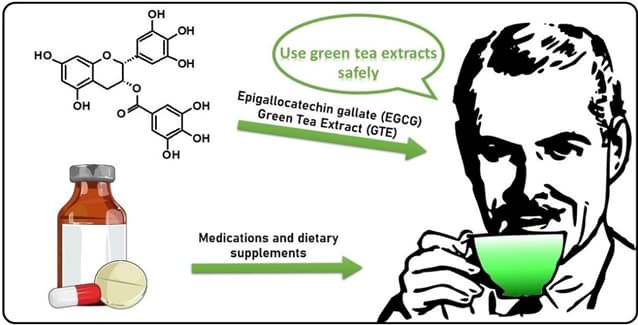
Green tea extract is characterized by a complex phytochemical composition dominated by catechins, flavonoids, and other polyphenols. Catechins, notably EGCG, account for approximately 60-80% of the total catechin content. Their molecular structure, featuring multiple hydroxyl groups, facilitates potent free radical scavenging activity. Mechanistically, these compounds exhibit antioxidative effects by neutralizing reactive oxygen species (ROS) and modulating cellular signaling pathways involved in inflammation and apoptosis. Additionally, the interaction of green tea catechins with endothelial nitric oxide synthase contributes to vasodilation and improved vascular function. The bioavailability and metabolic fate of these polyphenols are influenced by conjugation enzymes such as UDP-glucuronosyltransferase, affecting systemic efficacy and necessitating thorough pharmacokinetic profiling.
Synergistic Effects and Secondary Metabolites
Beyond catechins, green tea extract contains caffeine, theanine, and various minor constituents that collectively contribute to its physiological effects. Caffeine acts as a central nervous system stimulant, enhancing cognitive performance and energy expenditure, while theanine imparts anxiolytic and neuroprotective properties. These secondary metabolites interact synergistically with polyphenols, creating a compound matrix with multifactorial bioactivities. Such synergy amplifies end-organ effects, particularly in metabolic regulation and neurocognitive modulation. Understanding these interactions at the molecular level supports targeted formulation strategies aimed at optimizing therapeutic outcomes.
Extraction Technologies and Standardization Practices
Conventional Versus Advanced Extraction Methods
The extraction of bioactive compounds from green tea leaves has evolved from traditional solvent-based techniques to incorporate advanced methodologies aimed at maximizing yield and purity. Conventional methods primarily utilize aqueous or hydroalcoholic solvents under variable temperature conditions, which, while effective, may result in thermal degradation of sensitive catechins. Modern approaches such as supercritical fluid extraction (SFE), ultrasound-assisted extraction (UAE), and microwave-assisted extraction (MAE) offer enhanced selectivity, reduced solvent use, and shorter processing times. These technologies facilitate the preservation of polyphenolic integrity and allow for scalable production in compliance with Good Manufacturing Practices (GMP). An understanding of these extraction dynamics is crucial for industry stakeholders seeking to optimize product potency and stability.
Quality Control and Standardization Parameters
Standardization remains a pivotal element in ensuring batch-to-batch consistency and regulatory compliance for green tea extract products. Quantitative analysis of catechin content, especially EGCG concentration, serves as the primary quality control parameter. High-performance liquid chromatography (HPLC) coupled with ultraviolet or mass spectrometric detection constitutes the gold standard for assay validation. Additional assessments include moisture content, microbial load, and absence of heavy metals and pesticides. Adherence to pharmacopoeial specifications and international standards—such as those from the United States Pharmacopeia (USP) and European Pharmacopoeia (EP)—is necessary to sustain product reliability, consumer trust, and market competitiveness.
Clinical Efficacy and Therapeutic Potential
Cardiometabolic Health Effects
Robust clinical investigations have highlighted green tea extract's role in modulating cardiometabolic risk factors. By virtue of its antioxidative properties, green tea catechins improve lipid profiles, reducing low-density lipoprotein (LDL) oxidation, which is instrumental in atherosclerosis prevention. Randomized controlled trials demonstrate that supplementation improves insulin sensitivity, modulates glucose homeostasis, and exerts modest but statistically significant reductions in systolic and diastolic blood pressure. Meta-analyses corroborate these findings, suggesting that regular intake may lower the incidence of metabolic syndrome components. Such data underscore green tea extract's potential as an adjunctive agent in cardiometabolic disorder management, warranting further large-scale, long-term studies.
Neuroprotection and Cognitive Enhancement
Emerging evidence indicates that green tea extract exerts neuroprotective effects, primarily through neuroinflammatory attenuation and oxidative stress mitigation. Catechins cross the blood-brain barrier, influencing pathways involved in neuronal survival and synaptic plasticity. Clinical trials assessing cognitive performance report improved working memory, attention, and executive function metrics in populations ranging from healthy adults to individuals with mild cognitive impairment. Furthermore, preclinical models suggest potential benefits in neurodegenerative conditions such as Alzheimer's disease, mediated by amyloid-beta aggregation inhibition and tau protein phosphorylation modulation. While promising, these findings necessitate rigorous validation through multicenter clinical trials with standardized dosing regimens.
Regulatory Landscape and Market Dynamics
Global Regulatory Considerations
The regulatory framework governing green tea extract varies across jurisdictions but consistently emphasizes safety, efficacy, and accurate labeling. In the United States, the extract is commonly classified as a dietary supplement under the Dietary Supplement Health and Education Act (DSHEA), requiring compliance with GMP but not pre-market approval. The European Union treats green tea extract under novel food regulations when used in fortified products, imposing stringent safety evaluations. Additionally, maximum allowable concentrations of catechins have been recommended due to documented hepatotoxicity at excessive doses, necessitating standardized risk assessments. Harmonization of global regulatory standards remains a topic of industry and governmental discourse to facilitate international trade and consumer protection.
Market Trends and Consumer Insights
The commercial landscape of green tea extract reflects growing consumer inclination toward natural health products, preventive care, and holistic wellness. Market analytics report robust compound annual growth rates (CAGR) in the nutraceutical segment, driven by awareness of green tea's health benefits and lifestyle disease prevalence. Product diversification includes capsules, functional beverages, cosmetics, and fortified foods, each targeting specific demographic cohorts. Moreover, sustainability considerations—pertaining to sourcing and eco-friendly extraction processes—are increasingly influencing purchasing decisions. From an industry perspective, strategic investments in research, quality assurance, and consumer education are pivotal for maintaining competitive advantage and market penetration in an evolving regulatory environment.
Expert Analysis & FAQ
Q1: What factors influence the bioavailability of green tea extract's polyphenols in humans?
The bioavailability of green tea catechins is affected by multiple physiological and formulation factors. Conjugation enzymes in the intestines and liver mediate extensive phase II metabolism, producing glucuronidated and sulfated metabolites with varying biological activities. The presence of food matrices, pH conditions, and gut microbiota composition significantly influence absorption rates. Novel delivery systems such as encapsulation with liposomes or nanoparticles have been explored to enhance bioavailability by protecting catechins from degradation and promoting sustained release.
Q2: Are there any safety concerns associated with high-dose green tea extract supplementation?
Safety evaluations reveal that excessive intake of green tea extract, particularly exceeding 800 mg EGCG per day, may induce hepatotoxicity in susceptible individuals. Cases of liver injury have been attributed to oxidative stress and mitochondrial dysfunction triggered by high catechin concentrations. Regulatory agencies have issued consumption guidelines to establish safe upper intake limits. It is imperative that product formulations adhere to these parameters and that consumers are informed of potential interactions with medications such as anticoagulants and beta-blockers.
Q3: How does green tea extract compare with other natural antioxidants in clinical efficacy?
Comparative analyses suggest that green tea extract's antioxidant capacity is among the highest due to its unique polyphenolic composition, particularly EGCG's potent radical scavenging and metal-chelating properties. Unlike some antioxidants that act primarily through direct ROS neutralization, green tea catechins exert pleiotropic effects including gene expression modulation and mitochondrial protection. Clinical endpoints in cardiometabolic and neurodegenerative disorders often demonstrate favorable outcomes with green tea extract compared to isolated antioxidants such as vitamin E or resveratrol. Nonetheless, variability in study designs and dosage regimens highlights the need for standardized comparative trials.
Q4: What are the prospects of green tea extract in future pharmaceutical applications?
Pharmaceutical research increasingly investigates green tea extract as a source for novel therapeutic agents, focusing on its anti-inflammatory, antineoplastic, and metabolic regulatory capacities. Efforts include isolating specific catechin derivatives with enhanced potency and reduced toxicity, as well as synthesizing analogs with improved pharmacokinetic profiles. Combination therapies integrating green tea polyphenols with conventional drugs are under evaluation for synergistic efficacy and minimized adverse effects. Regulatory approval for pharmaceutical indications remains complex, requiring comprehensive toxicological and clinical validation.

-01K7R461YA6X0ERK9PHE4062CT.webp&w=1920&q=75)