Matcha Powder: The Green Gold of Wellness Trends
Nghia Tran
February 6, 2026 • 7 min read
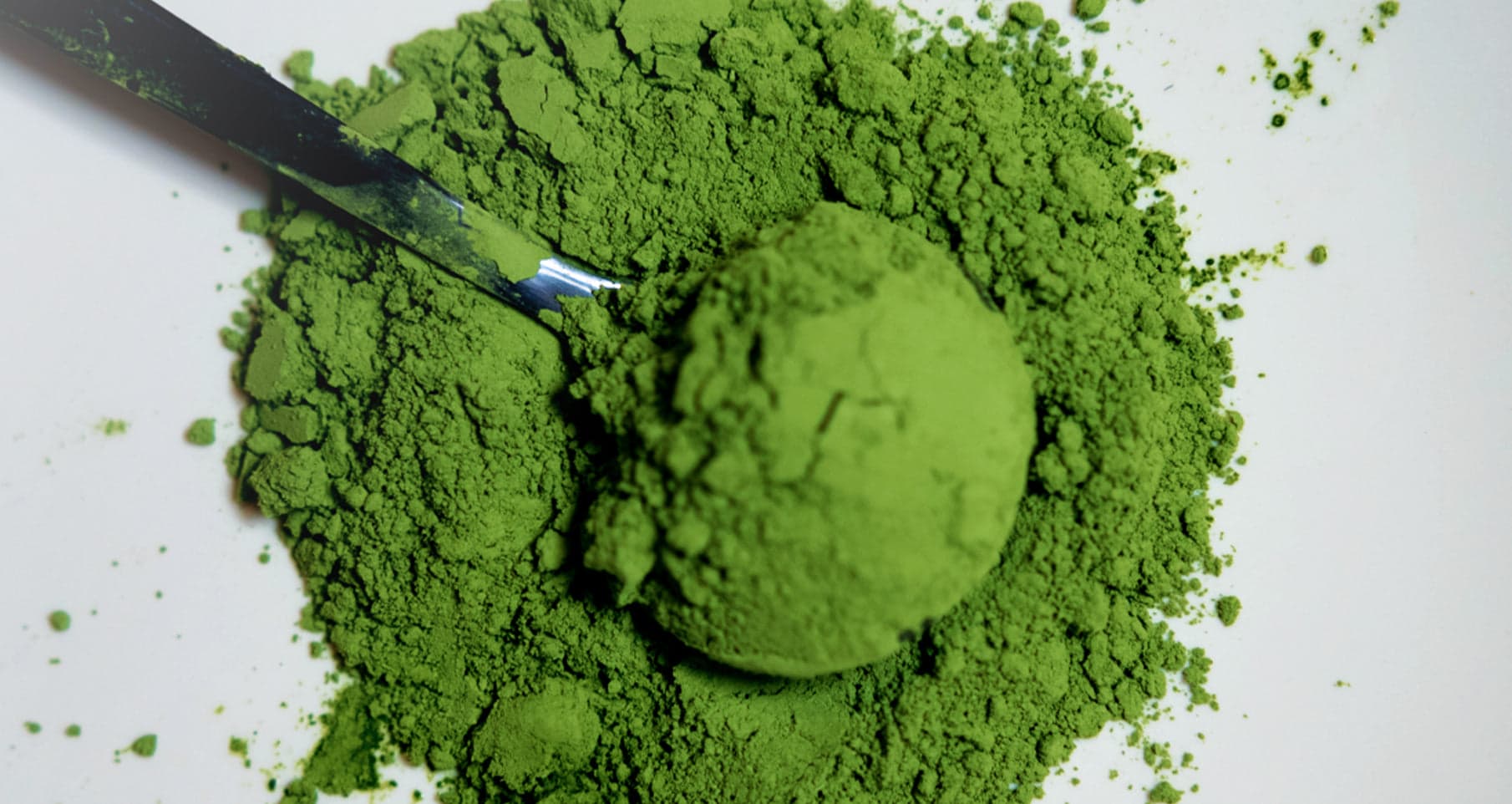
- Matcha powder is a distinct, finely ground green tea with a unique cultivation and processing methodology that enhances its biochemical profile.
- Its global market is rapidly expanding, driven by increased consumer interest in functional foods and holistic wellness.
- The biochemical composition of matcha, including catechins, amino acids, and chlorophyll, underpins its purported health benefits, validated by emerging scientific research.
- Sustainability and quality control in matcha production are critical determinants of product efficacy and consumer trust, influencing supply chains worldwide.
- Ongoing innovation in matcha applications beyond traditional consumption underscores its potential in nutraceutical, cosmetic, and food industries.
Matcha powder, often referred to as the "green gold" of contemporary wellness trends, represents a unique category within the tea and functional food industry. Unlike conventional green tea, matcha is produced by finely milling whole tea leaves of Camellia sinensis, conferring a distinctive powdery texture and concentrated nutrient content. The method of cultivation, harvest timing, and post-harvest processing distinctly influence its chemical constituents, resulting in a product that commands premium positioning in global markets. This editorial offers a comprehensive technical analysis of matcha powder, elucidating its production processes, biochemical composition, industrial dynamics, and emerging scientific insights.
Production and Processing of Matcha Powder
1. Cultivation Techniques and Leaf Selection
The production of matcha begins with specialized agronomic practices that significantly differentiate it from conventional tea farming. Approximately 20 to 30 days before harvest, tea plants are shaded using techniques such as tarpaulin coverings or reed screens to reduce sunlight exposure. This shading process increases chlorophyll synthesis and amino acid content, particularly L-theanine, while reducing catechin bitterness. Only the youngest, most tender leaves are hand-picked to ensure high-quality leaf material. The selective harvesting and shading culminate in a leaf with augmented biochemical properties desirable in matcha powder.
2. Post-Harvest Processing and Grinding Methodology
Following harvest, leaves undergo steaming to inhibit oxidation, preserving their green color and nutrient profile. Subsequently, leaves are dried and deveined, removing stems and veins to produce "tencha," the precursor form to matcha powder. The grinding process employs stone mills that operate slowly to avoid heat generation, which could degrade delicate compounds such as catechins, antioxidants, and chlorophyll. This traditional milling yields a fine particle size, typically under 20 microns, critical for optimal solubility and uniform dispersion in water-based applications. The control of processing parameters directly correlates with the sensory qualities and functional attributes of the final matcha product.
Biochemical Composition and Health Implications
1. Catechins and Antioxidant Capacity
One of the salient characteristics of matcha powder is its elevated concentration of catechins, a class of polyphenolic compounds exhibiting potent antioxidant properties. Epigallocatechin gallate (EGCG) is the predominant catechin in matcha, implicated in numerous in vitro and in vivo studies demonstrating anti-inflammatory, anti-carcinogenic, and cardioprotective effects. Quantitatively, matcha contains several times the catechin content of standard green tea infusions, due to ingestion of the whole leaf material rather than an aqueous extract. The antioxidant capacity, often measured by assays such as ORAC (oxygen radical absorbance capacity), is thus markedly higher in matcha, lending it a robust functional profile.
2. Amino Acids, Minerals, and Chlorophyll
Beyond polyphenols, the amino acid L-theanine plays a central role in matcha's psychophysiological effects, promoting relaxation and improved cognitive function through modulation of neurotransmitter pathways. Additionally, matcha is a source of essential minerals including magnesium, zinc, and selenium, which are crucial cofactors in enzymatic antioxidant defenses. The shading process enhances chlorophyll content, which has been hypothesized to contribute to detoxification mechanisms and supports skin health via photoprotective actions. This multifactorial biochemical composition situates matcha as a functional compound with multifaceted health applications under scientific scrutiny.
Market Dynamics and Industrial Trends
1. Global Market Expansion and Consumer Demographics
The global matcha powder market has experienced substantial growth over the past decade, driven by consumer trends favoring natural, organic, and functional foods. Markets across North America, Europe, and Asia-Pacific exhibit increasing demand, with wellness-conscious millennials and Gen Z demographics as primary consumers. Product diversification has amplified market reach, as matcha is featured in beverages, nutritional supplements, confections, and cosmetics. Furthermore, online retail channels and specialty food sectors facilitate greater product accessibility. Market reports indicate an expected CAGR exceeding 8% through the mid-2020s, positioning matcha as a key growth segment within the broader tea industry.
2. Supply Chain Challenges and Quality Assurance
Integral to market expansion is the imperative for stringent quality control, encompassing sustainable agricultural practices, traceability, and authenticity verification. Due to the premium valuation of matcha powder, issues such as adulteration, inconsistent grading, and contamination pose significant risks. Industry stakeholders increasingly implement certifications—organic, fair trade, and third-party laboratory testing—to mitigate these challenges. Supply chain transparency is enhanced through blockchain technologies and geographic indication (GI) markers, safeguarding consumer trust and ensuring the retention of chemical constituents essential for functional efficacy. Sustainable farming practices also mitigate environmental impact, aligning matcha production with global sustainability goals.
Technological Innovations and Expanding Applications
1. Novel Extraction and Formulation Technologies
Advancements in extraction and encapsulation technologies have broadened the functional applications of matcha powder. Nanoemulsion and liposomal delivery systems enhance bioavailability of catechins and L-theanine, overcoming the inherent limitations of oral absorption. Freeze-drying methods and inert atmosphere packaging also extend shelf life by preventing degradation of labile compounds. These innovations facilitate the incorporation of matcha into a range of nutraceutical and pharmaceutical formulations, where dose standardization and stability are paramount. Simultaneously, process automation and artificial intelligence optimize production efficiency, further industrializing the traditionally artisanal matcha manufacturing paradigm.
2. Emerging Uses Beyond Traditional Consumption
Beyond beverage consumption, matcha powder demonstrates utility in diversifying sectors. In the cosmetic industry, its antioxidant and anti-inflammatory properties are harnessed in topical formulations aimed at photoprotection and skin rejuvenation. In food technology, matcha serves as a natural colorant and functional ingredient in bakery, confectionery, and dairy products, aligning with clean label trends. Additionally, its incorporation in sports nutrition reflects its purported benefits on metabolism and endurance. Ongoing research into matcha's molecular mechanisms informs these applications, fostering innovation driven by scientific validation rather than marketing claims.
Expert Analysis & FAQ
Q1: How does the shading process before harvest specifically influence the chemical profile of matcha compared to conventional green tea?
The shading process induces a reduction in photosynthetic activity, which paradoxically upregulates chlorophyll biosynthesis and increases levels of L-theanine while suppressing catechin oxidation. This biochemical shift results in a richer, less astringent flavor profile and elevated concentrations of bioactive compounds. Scientific analyses demonstrate that shaded leaves exhibit up to 20% higher L-theanine content and increased chlorophyll density, differentiating matcha both organoleptically and functionally from unshaded green teas.
Q2: What sustainability concerns are associated with large-scale matcha production, and how can these be mitigated?
Large-scale cultivation can exacerbate issues such as soil depletion, excessive water usage, and pesticide reliance. Additionally, shading requires additional materials and labor inputs, contributing to environmental footprints. Mitigation strategies involve adopting integrated pest management (IPM), organic farming protocols, and recycled or biodegradable shading materials. Precision agriculture, using sensors and data analytics, optimizes resource use, reducing waste. Certification schemes incentivize environmental stewardship, while consumer demand for transparency pressures producers to prioritize sustainability.
Q3: Are the health benefits of matcha powder supported by clinical evidence, and what limitations exist in current research?
Clinical studies have corroborated certain benefits of matcha constituents, notably EGCG's antioxidant effects and L-theanine's capacity to modulate cognitive function and stress responses. However, many studies utilize green tea extracts rather than whole leaf powder consumed as matcha, limiting direct extrapolation. Human trials with rigorous controls are fewer, and outcomes often vary due to dosage, formulation, and population heterogeneity. Moreover, long-term effects and safety profiles require further elucidation. Thus, while promising, the evidence base warrants expansion through standardized, high-quality clinical trials.
Q4: How do particle size and milling technique impact the functionality and consumer experience of matcha powder?
Particle size distribution directly affects matcha's solubility, mouthfeel, and bioactive compound release kinetics. Finer particles enhance dispersion and absorption of catechins and amino acids but may alter flavor intensity and texture. The traditional stone milling technique maintains low heat, preserving chemical integrity, but is slower and costlier than mechanized milling. Balancing particle size and production efficiency requires careful optimization to ensure both functional efficacy and consumer acceptability. Emerging milling technologies aim to replicate traditional quality while increasing throughput.