Matcha Tea Powder: The Rise of Green Gold in Wellness
Nghia Tran
January 23, 2026 • 7 min read
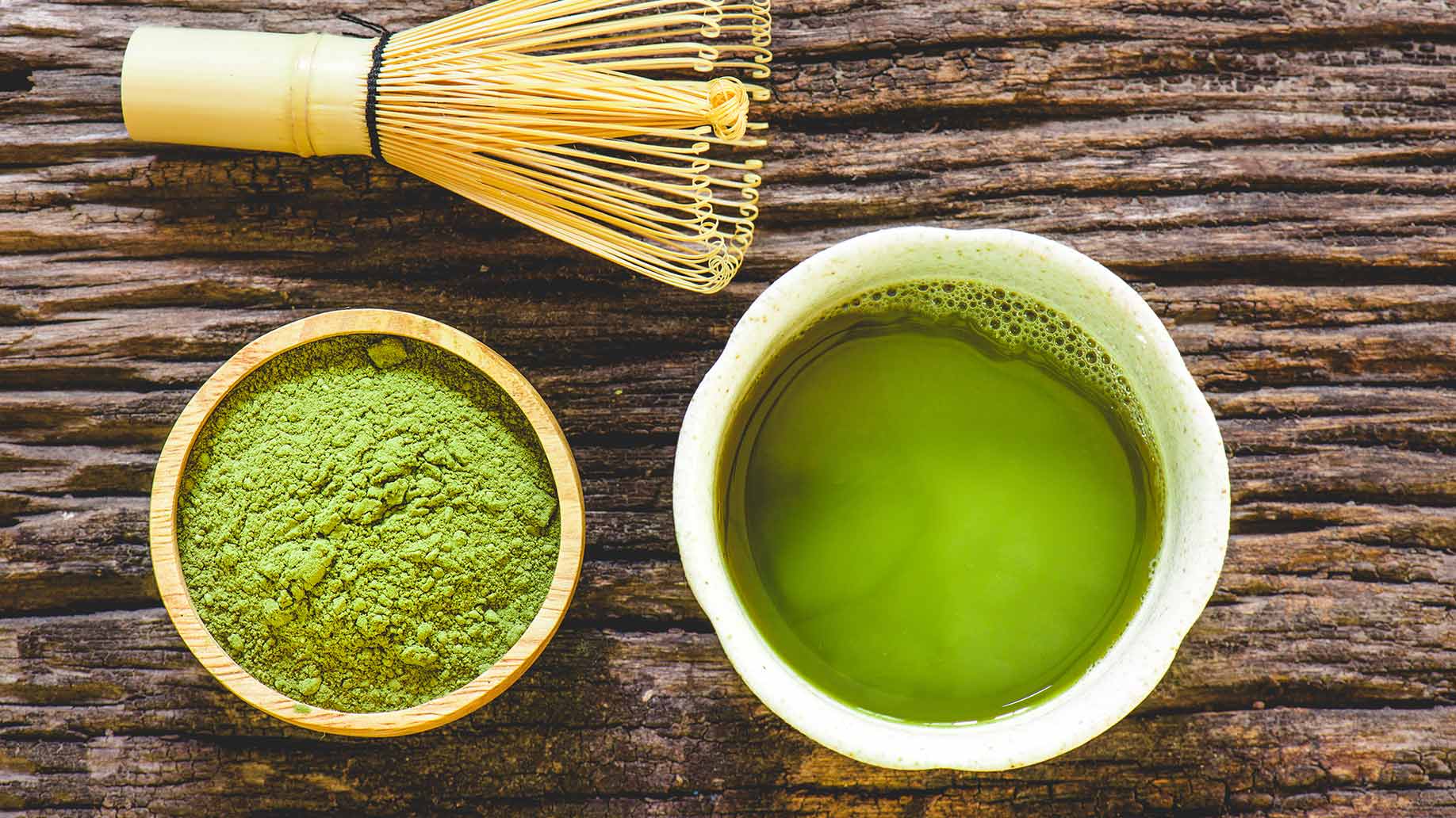
- Matcha tea powder has emerged as a significant functional food ingredient due to its dense nutrient composition and bioactive compounds.
- The production methods and cultivation techniques directly impact the biochemical profile and health efficacy of matcha powder.
- Global demand trends are shaped by increasing consumer interest in natural antioxidants and adaptogenic botanicals within the wellness sector.
- Scientific studies underscore matcha's potential roles in cognitive enhancement, metabolic modulation, and chronic disease mitigation.
Within the expanding domain of nutraceuticals, matcha tea powder has garnered substantial interest owing to its unique phytochemical profile and traditional processing methods rooted in East Asian agriculture. Derived from shade-grown Camellia sinensis leaves, matcha distinguishes itself from conventional green tea by its consumption as a whole leaf powder, thereby maximizing the intake of antioxidant polyphenols and amino acids. This editorial analyzes the biochemical constituents, cultivation requisites, extraction modalities, and global market dynamics that collectively delineate matcha's ascent as an ingredient of strategic importance in wellness-oriented product formulations.
Phytochemical Composition and Health Implications
Primary Bioactive Compounds in Matcha
Matcha tea powder contains a complex matrix of bioactive components that contribute to its physiological effects. Predominant among these are catechins—specifically epigallocatechin-3-gallate (EGCG)—which represent potent antioxidants with documented free radical scavenging capabilities. Additionally, L-theanine, an amino acid unique to tea leaves, modulates neurophysiological responses, offering anxiolytic properties without sedative effects. Caffeine is present at moderate levels, synergistically interacting with L-theanine to enhance cognitive alertness. Minor constituents include chlorophyll, vitamins (notably vitamin C), and trace minerals, all of which contribute to the powder's nutritive profile.
Health Outcomes Supported by Scientific Evidence
Empirical research substantiates multiple health-promoting potentials of matcha tea powder. Clinical trials and in vitro studies have characterized its abilities to modulate oxidative stress markers, reduce systemic inflammation, and improve lipid metabolism. The antioxidative efficacy of EGCG and related catechins is correlated with potential reductions in cardiovascular disease risk. Neurocognitive investigations suggest that L-theanine combined with caffeine enhances attention span and memory performance while mitigating stress-related cortisol elevations. Furthermore, preliminary data indicate that regular consumption may influence glucose homeostasis, offering adjunctive benefits in type 2 diabetes management. Nevertheless, dosage parameters and long-term safety assessments remain areas for continued scientific validation.
Production Techniques and Quality Determinants
Agronomic Practices and Leaf Cultivation
The cultivation of matcha tea powder begins with meticulous agronomic practices that distinguish it from standard green tea. Prior to harvest, tea plants undergo a shading process approximately three to four weeks in duration to promote chlorophyll synthesis and elevate L-theanine concentration by attenuating photosynthetic activity. The shading technique influences secondary metabolite accumulation, enhancing both taste profiles and bioactive potency. Ideal cultivation environments feature temperate climates with consistent precipitation and acidic well-drained soils. Harvest timing—traditionally during the first flush in early spring—is critical to optimizing leaf tenderness and phytochemical density. These agronomic decisions exert profound influence on raw material quality and subsequent powder characteristics.
Processing Flow from Leaf to Powder
Following harvest, the transformation from fresh leaf to fine matcha powder involves several mechanized and manual stages designed to preserve chemical integrity. The leaves undergo steaming to halt enzymatic oxidation, a process essential to maintaining green coloration and antioxidant levels. Subsequently, de-stemming and de-veining operations are conducted to isolate the leaf lamina. The dried leaf mass, known as tencha, is then milled under low-temperature conditions using specialized stone-grinding mills to prevent thermal degradation of bioactives. The resultant powder exhibits a uniform micrometric particle distribution, critical for consistent solubility and sensory attributes. Quality control protocols include chromatographic assays for catechin concentration and spectrophotometric evaluation of chlorophyll content.
Market Dynamics and Global Industry Trends
Global Demand Drivers and Consumer Segmentation
The proliferation of matcha tea powder in the global wellness market is predominantly driven by rising consumer awareness concerning antioxidant-rich, plant-based products and their therapeutic potentials. Urban demographics with higher disposable income brackets and a predilection for functional beverages constitute primary market segments. Health-conscious millennials and Generation Z cohorts exhibit particular proclivity towards green tea-derived products due to their dual appeal as supplements and culinary ingredients. Additionally, the emergence of keto, paleo, and clean-label dietary trends synergizes with matcha's attributes. Geographic markets such as North America, Europe, and parts of Asia-Pacific display disparate adoption rates, influenced by cultural acceptance and distribution infrastructure.
Supply Chain Considerations and Regulatory Frameworks
The supply chain of matcha tea powder encompasses complex cross-border interactions involving cultivation, processing, and distribution. Japan remains the predominant producer with established quality benchmarks; however, emerging cultivators in China, Korea, and even the United States contribute to supply diversification. Integral challenges comprise maintaining phytochemical consistency, preventing adulteration, and meeting stringent purity standards set forth by food safety authorities including FDA, EFSA, and JECFA. Labeling compliance concerning caffeine content, allergen declarations, and permissible health claims represents an operational and legal dimension requiring vigilant oversight. Furthermore, sustainability certifications and organic certifications are increasingly leveraged as differentiators in crowded marketplaces.
Analytical Techniques for Characterization and Quality Assurance
Chromatographic and Spectroscopic Methods
Robust analytical frameworks are employed to quantify and profile the constituent compounds within matcha tea powder. High-performance liquid chromatography (HPLC) is the standard for precise quantification of catechins, caffeine, and amino acids. Coupled with mass spectrometry (HPLC-MS), it facilitates structural elucidation and detection of minor phytoconstituents. Ultraviolet-visible (UV-Vis) spectrophotometry enables rapid determination of total polyphenol content and chlorophyll concentration. Fourier-transform infrared spectroscopy (FTIR) and nuclear magnetic resonance (NMR) offer complementary qualitative insights into chemical fingerprinting, enhancing authentication capabilities and detecting adulteration or degradation.
Physical and Sensory Evaluation Parameters
Beyond chemical assays, physical characteristics such as particle size distribution, moisture content, and color measurements are integral to quality assessment. Laser diffraction techniques ascertain uniformity and solubility profile, critical attributes influencing bioavailability and consumer experience. Moisture analysis prevents microbial proliferation and enzymatic activity during storage. Sensory evaluation protocols conducted by trained panels ascertaining bitterness, umami intensity, and aroma profiles provide downstream validation of matcha quality—factors that influence market acceptance and brand positioning.
Expert Analysis & FAQ
Q1: How does the shading process alter the biochemical profile of matcha tea powder compared to standard green tea?
The shading of tea plants precipitates a reduction in photosynthetic activity, leading to an accumulation of amino acids—specifically L-theanine—while mitigating catechin synthesis suppression typically caused by full sun exposure. Consequently, the shaded leaves yield a higher ratio of umami to astringent compounds, resulting in the characteristic smooth flavor and elevated neuroactive amino acid concentrations. Chlorophyll content also increases significantly, imparting the vivid green color that is a hallmark of premium matcha powders. This agronomic manipulation distinguishes matcha's phytochemical profile distinctly from that of traditional sun-grown green teas.
Q2: What are the primary challenges in ensuring the chemical consistency of matcha tea powder across different production batches?
Variability in agroclimatic conditions, harvest timing, and processing protocols constitutes the principal challenges in maintaining uniform biochemical profiles. Fluctuations in temperature, humidity, and soil fertility directly influence catechin and amino acid biosynthesis. Moreover, post-harvest handling such as steaming duration and milling speed can affect thermal degradation or oxidation, altering bioactive concentrations. Implementing standardized Good Agricultural Practices (GAP) alongside precise control over processing parameters supported by routine chromatographic testing is critical for achieving batch-to-batch consistency and ensuring product efficacy.
Q3: How does matcha tea powder compare with other green tea forms in terms of antioxidant capacity and health benefits?
Since matcha involves the consumption of the entire leaf in powdered form rather than an infusion of leaf extracts (as in conventional brewing), it typically provides significantly higher concentrations of antioxidants and polyphenols per gram consumed. Studies using ORAC (Oxygen Radical Absorbance Capacity) assays demonstrate matcha's superior free radical scavenging activity relative to steeped green tea. This enhanced bioavailability potentially augments its therapeutic effects related to oxidative stress mitigation, metabolic regulation, and neuroprotection. However, the overall health impact depends on dosage, bioaccessibility, and individual metabolic response.
Q4: What regulatory considerations must manufacturers observe when marketing matcha tea powder as a health product internationally?
Regulatory agencies require substantiation of claims regarding functional benefits, necessitating scientifically validated clinical data. Restrictions vary geographically; for example, the European Food Safety Authority (EFSA) endorses strictly defined health claims based on demonstrated cause-effect relationships, while FDA oversees safety and labeling under the Dietary Supplement Health and Education Act (DSHEA) in the United States. Manufacturers must ensure product purity, absence of contaminants, and accurate disclosure of caffeine content and allergen risks. Compliance with food safety certifications such as HACCP and organic certifications further supports market acceptance and reduces barriers to trade.


