Tsujiri Matcha: A Rising Star in Tea Culture
Nghia Tran
January 23, 2026 • 6 min read
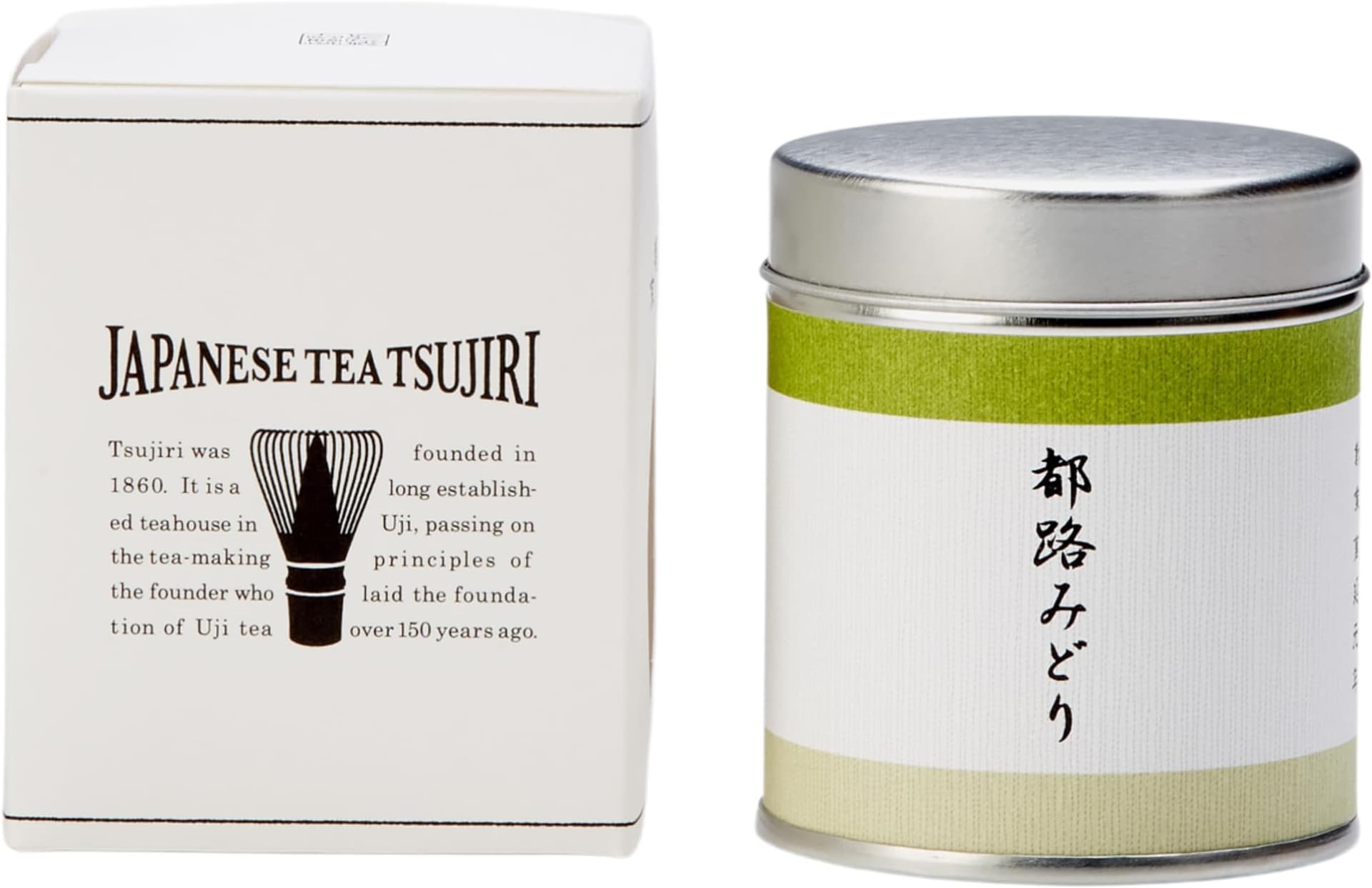
- Tsujiri matcha exemplifies the intersection of traditional cultivation techniques and modern agricultural innovation, contributing to its growing global prominence.
- The biochemical profile of tsujiri matcha indicates superior concentrations of antioxidants and amino acids compared to conventional matcha products.
- Global consumption trends reflect a measurable increase in demand for premium-grade matcha, with tsujiri as a leading exemplar influencing supply chain adaptations.
- Technological advancements in processing and quality control are pivotal in maintaining tsujiri matcha's unique flavor profile and health benefits.
The evolution of matcha consumption globally has introduced a growing appreciation for region-specific varietals and processing methodologies. Among these, tsujiri matcha represents a distinctive category, rooted in centuries-old Japanese tea culture yet increasingly relevant to contemporary health and gastronomy markets. Its rising prominence is attributable to both agronomic practices specific to the Uji region and refinements in post-harvest processing. This editorial examines the agronomic characteristics, biochemical composition, production methods, global market dynamics, and technological innovations underpinning tsujiri matcha's status.
Agronomic and Historical Foundations of Tsujiri Matcha
Geoclimatic Influence and Cultivation Practices
The cultivation of tsujiri matcha is intrinsically linked to the Uji region of Kyoto Prefecture, which benefits from unique geoclimatic conditions conducive to high-quality tea growth. The combination of temperate climate, adequate precipitation, and mineral-rich soil creates an optimal environment for Camellia sinensis cultivation. Cultivators employ specialized shading techniques, often extending shading periods beyond standard durations, which stimulates the biosynthesis of chlorophyll and theanine while reducing catechin concentrations that contribute to bitterness. These cultivation variables distinctly impact the phytochemical profile, rendering tsujiri matcha distinguishable from other Japanese and international matcha variants.
Historical Legacy and Its Influence on Production
The lineage of tsujiri matcha traces back to the Edo period, where innovative tea processing techniques were formalized. This historical continuity ensures adherence to traditional handcrafting methods combined with incremental modern refinements. The cultural emphasis on tea ceremony aesthetics has also driven quality benchmarks, influencing present-day cultivation timelines and leaf selection. As such, tsujiri matcha producers maintain rigorous agricultural and harvest standards, including selective plucking of the youngest tea leaves, optimizing both flavor complexity and bioactive compound concentrations.
Biochemical Composition and Quality Attributes
Phytochemical Profile: Antioxidants and Amino Acids
Tsujiri matcha is characterized by a distinct biochemical signature that includes elevated levels of catechins, particularly epigallocatechin gallate (EGCG), which is highly implicated in antioxidative mechanisms beneficial for human health. Additionally, theanine content—a non-proteinogenic amino acid contributing to the umami taste profile and cognitive modulation—is notably higher in tsujiri matcha than in standard matcha varieties. These biochemical differences have been validated through chromatographic analyses using HPLC and mass spectrometry techniques, confirming the superior nutraceutical potential of tsujiri matcha.
Sensory Profile and Organoleptic Properties
The complex interplay of biochemical constituents results in a nuanced sensory profile for tsujiri matcha. The elevated theanine-to-catechin ratio contributes to a umami-rich, smooth flavor while mitigating the astringency commonly associated with matcha. This makes tsujiri highly suitable for diverse applications ranging from traditional tea ceremonies to incorporation in culinary formulations. Its color intensity is also pronounced, attributed to the high chlorophyll content, thus aligning with consumer expectations of premium matcha aesthetics.
Technological Advancements in Processing and Quality Assurance
Innovations in Grinding and Preservation Techniques
The processing of tsujiri matcha includes precise de-stemming, de-veining, and stone grinding, which are critical for ensuring particle fineness and flavor integrity. Recent advancements involve temperature-controlled grinding to prevent oxidation and volatile compound loss. Additionally, modified atmosphere packaging (MAP) techniques are employed to extend shelf life by minimizing exposure to oxygen and moisture. Such technological interventions maintain the biochemical and sensory properties that define tsujiri matcha's premium quality.
Quality Control and Standardization Protocols
Quality assurance frameworks incorporate multi-parametric analyses including moisture content, particle size distribution, and phytochemical quantification to establish batch consistency. Furthermore, DNA barcoding has been introduced as a method to authenticate cultivar lineage, thereby preventing adulteration and preserving market integrity. Regulatory compliance with international standards, such as ISO 3103 for tea preparation and Codex Alimentarius for contaminants, is critical in tsujiri matcha's export and global market penetration.
Global Market Trends and Economic Impact
Consumption Patterns and Market Demographics
The international expansion of high-grade matcha, with tsujiri matcha as a prominent exemplar, correlates with increasing consumer awareness of health benefits associated with green tea polyphenols and amino acids. Market research indicates a pronounced uptake in North America, Europe, and East Asia, driven by wellness trends and culinary innovation. Premium matcha products command higher price points, thereby creating differentiated market segments and stimulating investment in specialty tea production infrastructure.
Supply Chain Dynamics and Sustainability Considerations
The supply chain for tsujiri matcha encompasses vertically integrated systems from cultivation in Uji to global distribution networks. Sustainability has become a key strategic focus as environmental pressures impact traditional agricultural practices. Initiatives emphasizing organic cultivation, reduced pesticide usage, and energy-efficient processing are gaining traction. Supply chain transparency and traceability technologies, supported by blockchain implementations, are being explored to authenticate product origin and quality for end consumers, responding to elevated expectations for sustainability and ethical sourcing in the premium tea sector.
Expert Analysis & FAQ
What distinguishes tsujiri matcha's biochemical profile from other matcha varieties?
Tsujiri matcha demonstrates a significantly higher ratio of theanine to catechins and increased chlorophyll content due to prolonged shading and specific cultivation techniques unique to the Uji region. Analytical studies employing high-performance liquid chromatography reveal that tsujiri's EGCG levels are among the highest recorded in premium-grade matcha, enhancing its antioxidant capacity and contributing to more balanced taste characteristics.
How do modern technologies influence the quality and shelf life of tsujiri matcha?
Technological interventions, such as temperature-controlled grinding, prevent thermal degradation of sensitive compounds during milling, while modified atmosphere packaging curtails oxidative processes that typically diminish product quality over time. These advancements ensure that the organoleptic and health-promoting properties of tsujiri matcha remain intact throughout distribution cycles, thereby maintaining consumer satisfaction and reducing waste.
In what ways has global consumer behavior impacted the supply chain for tsujiri matcha?
Heightened global demand for premium, authentic matcha has necessitated more sophisticated supply chain management, including traceability and sustainability protocols. Producers and distributors are adapting by implementing organic farming methods, enhancing transparency via certification, and leveraging technology to monitor product provenance. This evolution mitigates risks related to fraud and environmental impact while aligning with international regulatory frameworks and consumer ethics.
What are the prospects for tsujiri matcha in future functional food markets?
Given its enhanced phytochemical composition and recognized health benefits, tsujiri matcha is well-positioned for expansion into functional food and nutraceutical sectors. Integration into supplements, fortified beverages, and therapeutic formulations is anticipated, supported by ongoing scientific validation of its bioactive compounds. Market analysts predict that synergy between traditional cultivation knowledge and biotechnological innovation will catalyze new product development opportunities.


