Ito En Matcha Green Tea: Discover Its Rise to Popularity
Nghia Tran
February 6, 2026 • 6 min read
- Executive Summary
- Ito En's matcha green tea has ascended through a combination of authentic production methods, robust supply chain integration, and strategic branding aligned with global health trends.
- The product's rise is supported by rigorous quality control systems coupled with technological innovation in tea cultivation, processing, and packaging, enhancing consumer trust and shelf life.
- Its international expansion reflects shifts in consumer preferences toward functional beverages, driven by increasing awareness of matcha's bioactive compounds and antioxidant properties.
- Scientific validation of matcha's health benefits has played a pivotal role in Ito En's ability to position its product within the competitive tea market against both traditional teas and emerging specialty beverages.
- The company's commitment to sustainability and traceability aligns with contemporary supply chain transparency demands, reinforcing brand equity in diverse global markets.
Within the global beverage sector, Ito En has established itself as a prominent purveyor of matcha green tea, whose popularity has surged markedly in recent years. This phenomenon results from an intricate confluence of traditional agronomic expertise and innovative industrial processes. As a focal point in the premium tea category, Ito En's matcha product exemplifies the intersection of heritage and modern consumer science, appealing to health-conscious markets worldwide.
Historical Context and Production Methodologies
Traditional Cultivation and Shading Techniques
Central to Ito En matcha green tea's unique profile is the agronomic practice of shading Camellia sinensis plants approximately three weeks prior to harvest. This technique reduces photosynthesis, increasing chlorophyll concentration and the synthesis of L-theanine and caffeine in the leaves. The subsequent harvesting of the youngest, most tender leaf buds ensures elevated levels of amino acids, contributing to matcha's distinctive umami flavor. Ito En employs controlled agricultural environments leveraging both traditional techniques and scientific monitoring to standardize leaf quality before processing.
Grinding and Processing Innovations
Post-harvest, the leaves undergo de-stemming and air-drying to produce tencha, a precursor to matcha powder. Ito En utilizes advanced stone-grinding mills to convert tencha into a fine powder while maintaining biochemical integrity. Unlike conventional pulverization, this method prevents significant heat generation that would otherwise degrade catechins and antioxidants. The milled product undergoes granulometric analysis to ensure uniform particle size, a factor critical for consistent brewing performance and bioavailability of nutrients.
Quality Assurance and Supply Chain Dynamics
Comprehensive Quality Control Systems
Quality control is a cornerstone of Ito En's operational excellence. The company integrates multi-stage quality assurance protocols including sensory evaluation, chromatographic compound profiling, and microbiological assessments. High-performance liquid chromatography (HPLC) is used routinely to quantify catechins, caffeine, and L-theanine content. These measures enable batch-to-batch consistency and support certifications that enhance consumer credibility, such as organic certification and ISO standards adherence.
Supply Chain Integration and Traceability
Integral to Ito En's market positioning is its vertically integrated supply chain, spanning from tea plantations to global distribution networks. Digital traceability platforms allow real-time tracking of raw materials, facilitating transparency and responsiveness to contamination risks. Blockchain technology is increasingly explored within the industry to safeguard provenance claims and authenticate product origin. This level of integration not only improves operational efficiencies but also aligns with consumer demand for ethical sourcing and sustainability.
Market Trends and Consumer Behavior
Global Shift Towards Functional Beverages
The widespread rise of functional beverages that offer health benefits beyond hydration has catalyzed interest in matcha green tea. Ito En has leveraged this repositioning by highlighting matcha's rich polyphenol content, antioxidant capacity, and purported cognitive-enhancing effects associated with its L-theanine and caffeine balance. Epidemiological studies supporting tea's role in cardiovascular health and metabolic regulation provide empirical validation, driving growth in health-conscious demographics across North America, Europe, and Asia.
Product Innovation and Market Segmentation
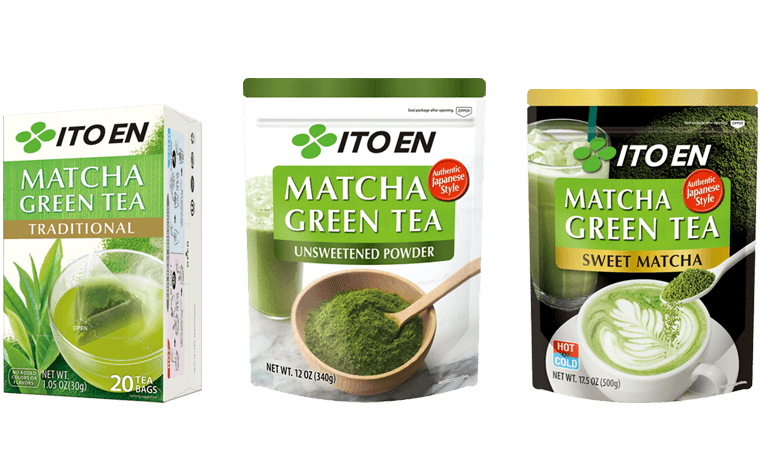
Strategically, Ito En has diversified its matcha offerings to include ready-to-drink formulations, culinary-grade powders, and premium matcha designed for traditional tea ceremonies. This product segmentation caters to heterogeneous consumer needs ranging from convenience to gastronomic authenticity. Moreover, partnership ventures with beverage formulators and collaborations in the food service industry have amplified reach, leveraging cross-category synergies with plant-based and natural ingredient trends.
Scientific Foundations and Health Impact
Bioactive Compounds and Antioxidant Properties
Matcha green tea comprises a complex matrix of bioactive constituents including epigallocatechin gallate (EGCG), theanine, caffeine, and chlorophyll. EGCG, a potent catechin, exhibits antioxidative, anti-inflammatory, and potential chemopreventive activities as demonstrated across in vitro and in vivo studies. L-theanine modulates neural excitability and supports alpha brain wave activity, synergistically counterbalancing caffeine's stimulant effects. These biochemical interactions underpin the functional appeal of matcha as a dietary supplement and therapeutic adjunct.
Clinical Studies and Emerging Evidence
Several clinical investigations have evaluated the health outcomes of matcha consumption. Randomized controlled trials indicate improvements in lipid metabolism, insulin sensitivity, and reductions in oxidative stress markers, although study heterogeneity and sample sizes necessitate cautious interpretation. Nonetheless, mounting evidence supports matcha's inclusion in preventative nutrition frameworks. Ito En's investment in post-market surveillance and research partnerships further enhances product credibility and informs future formulations.
Expert Analysis & FAQ
1. How does Ito En ensure the stability of bioactive compounds in matcha during processing?
Ito En employs low-heat stone milling techniques combined with controlled drying environments to minimize oxidative degradation of catechins and L-theanine. The process reduces thermal and mechanical stress, preserving molecular integrity. Additionally, packaging under inert atmospheres or nitrogen flush extends shelf life by inhibiting oxidation.
2. What role does agricultural shading play in the chemical composition of Ito En's matcha?
Shading decreases photosynthetic rate, inducing physiological stress that promotes accumulation of amino acids and catechins. This practice elevates chlorophyll concentration, lending characteristic green coloration and increasing antioxidant potency. Consequently, shaded leaves used by Ito En contain higher levels of health-promoting compounds compared to unshaded or standard green teas.
3. How is Ito En adapting to global sustainability standards in its matcha supply chain?
The company integrates environmentally sustainable practices including water conservation, reduced pesticide application, and organic cultivation methods. Traceability systems ensure supplier compliance with ethical labor and environmental regulations. Furthermore, Ito En is exploring renewable energy usage within processing facilities and implementing carbon footprint assessments to align with international sustainability benchmarks.
4. In what ways has scientific research influenced Ito En's market positioning?
Evidence-based validation of matcha's health benefits has shaped marketing narratives and informed product development strategies. By collaborating with academic institutions and publishing research findings, Ito En positions its matcha as a credible functional beverage. This scientific underpinning differentiates it from competitors and supports premium pricing within health-oriented consumer segments.


