Ippodo Matcha: Authentic Tea Culture's Rising Star
Nghia Tran
January 23, 2026 • 6 min read
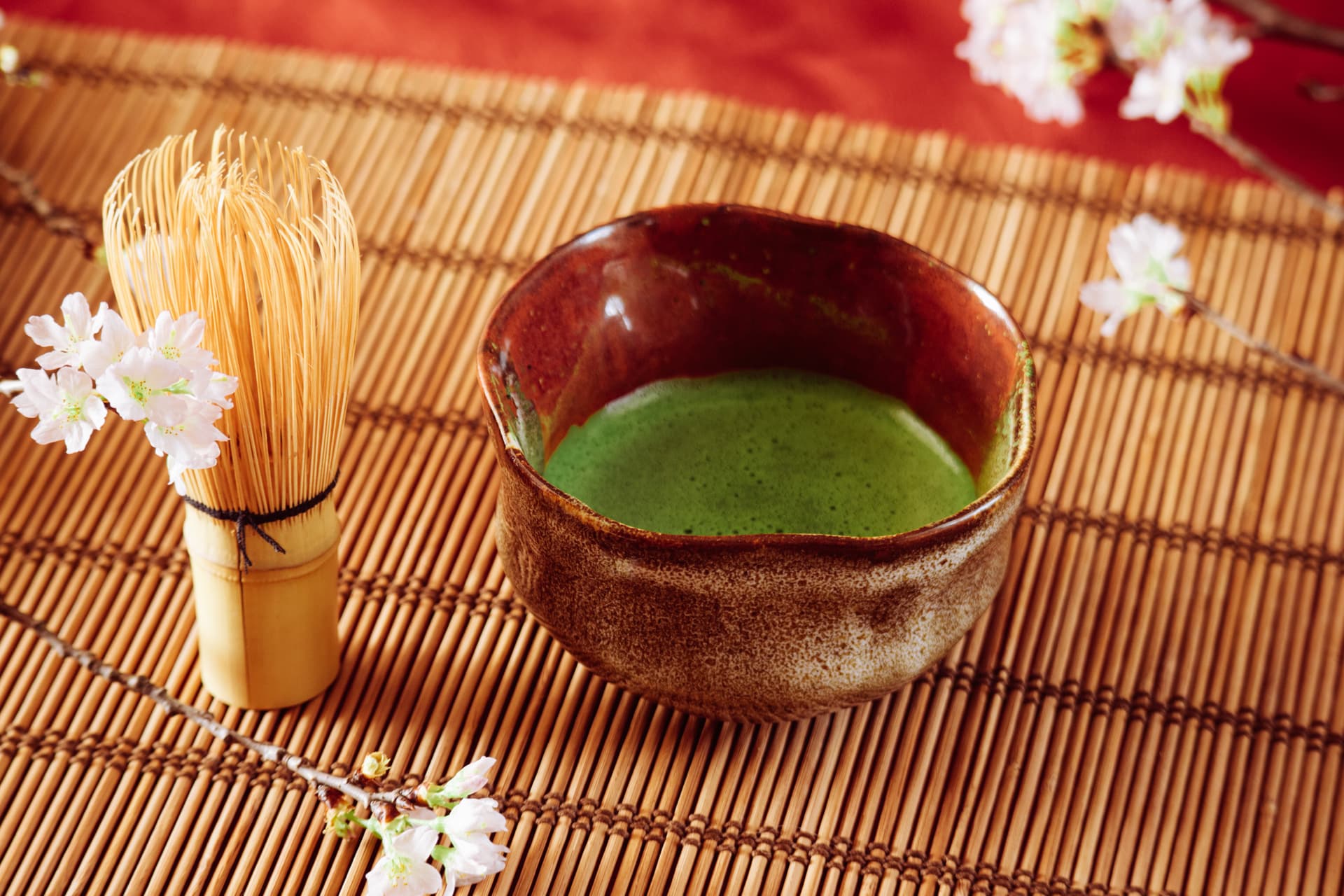
- Preservation and Innovation: Ippodo Matcha exemplifies how traditional Japanese tea craftsmanship integrates with modern quality controls to sustain authentic matcha production on a global scale.
- Quality Differentiation: Rigorous cultivation, processing, and grading methodologies differentiate Ippodo's matcha by flavor profile, chemical composition, and intended use, strengthening market positioning.
- Health and Functional Properties: The chemical profile of Ippodo matcha, characterized by bioactive compounds such as catechins and amino acids, aligns with rising global demand for health-functional foods.
- Supply Chain and Sustainability: The matcha industry faces increasing pressure to adopt sustainable agricultural practices and transparent supply chains, with Ippodo acting as a benchmark for traceability and environmental stewardship.
- Global Market Integration: Ippodo matcha's export and adaptation to international palates reflect broader trends in the commodification and cultural translation of authentic tea experiences.
The global dissemination of Japanese tea culture has accorded Ippodo Matcha a distinctive position within the competitive landscape of premium green teas. Founded in Kyoto, Ippodo has historically maintained an artisanal approach that emphasizes the preservation of the sensory and chemical integrity of matcha. This editorial critically examines the horticultural, biochemical, technological, and commercial dimensions that collectively situate Ippodo Matcha as a rising star in the international tea industry.
Botanical and Agronomic Foundations of Ippodo Matcha
Tea Cultivar Selection and Field Management
Ippodo's tea sourcing is deeply entwined with cultivar specificity and agronomic practices that optimize the presence of chlorophyll, amino acids, and polyphenols. The principal tea cultivars utilized are variants of Camellia sinensis var. sinensis, cultivated predominantly in shaded conditions for approximately three weeks preceding harvest. This shading regimen enhances the biosynthesis of theanine and caffeine, important determinants of matcha's umami and stimulant properties. Precision in timing the harvest, usually limited to the first flush, ensures that leaves exhibit optimal chemical composition and minimize bitterness associated with over-mature foliage. Furthermore, soil conditions, altitude, and microclimate factors across sourcing regions strongly influence phytochemical profiles, yielding nuanced flavor and aroma characteristics.
Processing Techniques and their Biochemical Impacts
The transition from fresh leaf to powdered matcha involves a tightly controlled sequence of processes affecting both organoleptic and molecular qualities. Post-harvest, leaves intended for Ippodo matcha undergo steaming to halt enzymatic oxidation rapidly, preserving catechins and chlorophyll integrity. Subsequent drying and de-stemming produce tencha, the precursor material, which is then stone-ground into fine powder. The particle size, typically below 30 microns, not only affects mouthfeel but also influences solubility and extraction kinetics during brewing. These traditional techniques are meticulously calibrated to avoid thermal degradation, ensuring retention of bioactive compounds such as epigallocatechin gallate (EGCG), which is instrumental to the antioxidant capacity of matcha beverages.
Chemical Composition and Health-Functional Properties
Phytochemical Constituents and Their Physiological Roles
Ippodo matcha is distinguished by a complex matrix of phytochemicals, including catechins, theanine, caffeine, polysaccharides, and Vitamins C and E. The synergistic interaction among these compounds mediates physiological effects such as antioxidant defense, cognitive enhancement, and potential metabolic modulation. Analytical quantification using high-performance liquid chromatography (HPLC) confirms elevated levels of EGCG and L-theanine relative to other green tea formats, attributable to the powdered whole-leaf consumption method. This biochemical richness underpins research interest in matcha's role in mitigating oxidative stress and modulating neurocognitive function. However, clinical data remain emergent, necessitating continued pharmacological evaluation and standardization of matcha bioactive content.
Comparative Analysis with Other Matcha Producers
Scientific assessments reveal that Ippodo matcha not only fulfills but often exceeds international quality benchmarks in terms of catechin concentration and amino acid profile. Analytical studies demonstrate lower astringency and bitterness indices, correlating with optimized shading schedules and leaf selection, which in turn enhance consumer acceptability. Compared to mass-market matcha, the rigorous quality control inherent in Ippodo's traditional methodologies results in consistent biochemical profiles. This consistency is critical for both sensory reliability and health-functional claims, positioning Ippodo as a demonstrably superior product within the premium segment.
Market Dynamics and Industry Integration
Global Demand and Consumer Segmentation
The international matcha market exhibits marked growth, driven by consumers seeking authentic and functional beverages. Ippodo matcha's alignment with this trend is evidenced by its penetration into both traditional tea connoisseur circles and contemporary health-conscious demographics. Consumers in North America, Europe, and parts of Asia show increasing willingness to invest in premium matcha products offering provenance assurance and traditional craftsmanship. Market segmentation strategies focus on differentiating product lines by grade—culinary, premium, ceremonial—addressing uses ranging from matcha lattes to formal tea ceremonies. Such segmentation leverages both sensory attributes and cultural cachet to expand buyer bases.
Sustainability and Traceability in Matcha Production
The environmental impact of conventional tea farming and market transparency concerns have catalyzed a move toward sustainable practices in the premium matcha sector. Ippodo's adoption of eco-focused agronomy, water conservation measures, and minimal processing waste aligns with increasing demands from regulatory authorities and consumers for sustainability certification. Furthermore, the traceability of tea leaf origin—achieved through integrated supply chain digitalization—ensures product authenticity and builds consumer trust. These initiatives are integral to maintaining competitive advantage amid global supply chain complexities and to meeting evolving food safety and environmental standards.
Expert Analysis & FAQ
What distinguishes Ippodo Matcha's chemical profile from other matcha producers?
Ippodo Matcha's chemical distinction primarily arises from its controlled shading period, precise harvest timing, and minimal oxidation during processing. These factors collectively heighten L-theanine and EGCG concentrations. Comparative chromatographic analyses reveal that these compounds exist in higher, more balanced ratios relative to many commercial matcha products, contributing to both sensory smoothness and enhanced bioactivity.
How do traditional processing techniques influence the quality of Ippodo Matcha?
Traditional processing, particularly the steaming of fresh leaves and slow stone milling, preserves chlorophyll content and volatile aromatic compounds while preventing enzymatic browning and degradation of catechins. This approach ensures physical particle uniformity and chemical stability, essential for the ceremonial-grade matcha's fine texture and taste complexity appreciated by discerning consumers.
Can matcha's health benefits be reliably quantified in Ippodo products?
While in vitro and preliminary clinical studies validate the antioxidative and potential cognitive-enhancing effects of matcha constituents, variability in dietary intake and individual metabolism complicate definitive claims. Ippodo's standardized processing and quality control minimize compositional variability, facilitating reproducible bioactive dosages, which is advantageous for future nutraceutical research and health claims substantiation.
What are the main challenges facing the global premium matcha industry?
Key challenges include sustaining authentic production amidst increasing demand, ensuring supply chain transparency, balancing environmental sustainability with yield requirements, and navigating shifting consumer preferences across diverse markets. Premium producers must adopt integrated agronomic innovations and adhere to stringent quality protocols while educating consumers on authentic matcha characteristics to differentiate from lower-quality variants.


