Naoki Matcha: Sip Your Way to Wellness
Nghia Tran
February 5, 2026 • 6 min read
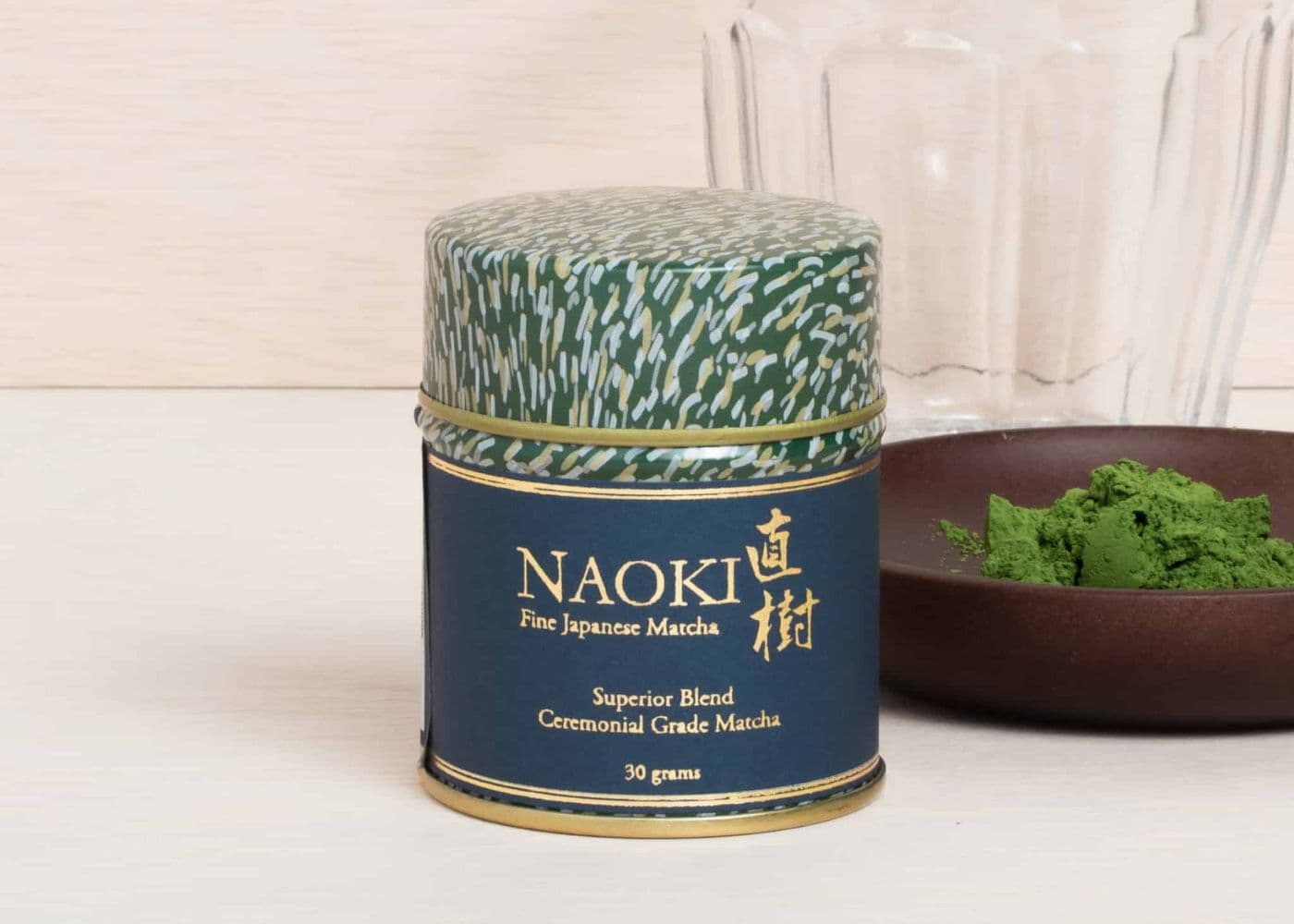
- Naoki Matcha exemplifies the convergence of traditional tea craftsmanship and contemporary wellness science.
- Its phytochemical profile, particularly high in catechins and L-theanine, underpins numerous physiological and cognitive benefits substantiated by clinical research.
- The global matcha industry is evolving through mechanized cultivation and processing innovations that optimize both quality and scalability.
- Consumer trends indicate a growing demand for functional beverages, positioning Naoki Matcha as a significant player in health-centered markets worldwide.
As the demand for wellness-oriented consumables increases globally, Naoki Matcha has emerged as a significant botanical product that bridges centuries-old processing techniques with modern scientific validation. Originating from meticulously cultivated Camellia sinensis leaves, the unique biochemical composition of Naoki Matcha distinguishes it within the crowded tea beverage market. This editorial examines the agronomic specifics, phytochemical constituents, and metabolic impacts of Naoki Matcha. Additionally, it contextualizes its role in the evolving functional beverage industry, emphasizing sustainable production practices and market dynamics.
Phytochemical Composition and Health Implications of Naoki Matcha
Constituent Profile: Catechins, Amino Acids, and Antioxidants
The metabolic efficacy of Naoki Matcha primarily derives from its dense array of phytochemicals, notably catechins such as epigallocatechin gallate (EGCG), alkaloids including caffeine, and the non-proteinogenic amino acid L-theanine. These compounds exhibit synergistic bioactivity. The process of shading prior to harvest, a canonical step in Naoki Matcha cultivation, precipitates increased chlorophyll levels and promotes amino acid biosynthesis, particularly L-theanine. Analytical chromatography reveals that catechin concentrations in Naoki Matcha can reach concentrations up to threefold higher than those found in traditional green teas. This escalation accounts for its potent antioxidant capacity, which has been quantified using assays such as DPPH radical scavenging and ORAC (Oxygen Radical Absorbance Capacity).
Physiological Effects: Metabolic, Neurocognitive, and Cardiovascular Research
Empirical studies elucidate multifaceted health effects attributable to Naoki Matcha intake. Epidemiological and randomized controlled trials have demonstrated that catechins, predominantly EGCG, modulate lipid metabolism by enhancing mitochondrial function and promoting thermogenesis, resulting in improved lipid profiles and weight regulation. Simultaneously, L-theanine, by modulating alpha-wave brain activity and neurotransmitter balance, supports cognitive enhancement and stress mitigation without inducing sedation. Additionally, flavonoid-rich matcha formulations have been associated with endothelial function improvement, suggesting cardio-protective effects mediated through nitric oxide bioavailability and anti-inflammatory pathways. These outcomes position Naoki Matcha as an efficacious adjunct in preventive health strategies.
Agronomic and Processing Innovations in Naoki Matcha Production
Cultivation Methodologies and Environmental Considerations
Naoki Matcha production exemplifies advanced agronomic interventions designed to maximize catechin and amino acid concentrations while maintaining ecological sustainability. The agronomic cycle begins with shade cultivation approximately three to four weeks before harvest, reducing photosynthesis intensity and triggering biochemical shifts in leaf metabolism. Detailed soil analyses and climate modeling inform site selection, optimizing mineral uptake and leaf quality. Moreover, integrated pest management (IPM) reduces chemical inputs, aligning with organic certification trends. Water management systems have evolved to enhance irrigation efficiency, reducing resource consumption while stabilizing leaf turgor and metabolite profiles.
Processing Techniques: From Leaf to Fine Powder
The post-harvest handling of Naoki Matcha leaves involves critical steps influencing final product quality. Leaves undergo rapid steaming to arrest enzymatic oxidation, preserving the green pigmentation and phytonutrient profile. Subsequent drying and de-stemming remove extraneous fibrous matter. Milling employs precision stone grinders or advanced mechanized systems calibrated to achieve particle sizes below 20 microns, crucial for solubility and bioavailability during consumption. Quality control protocols include spectral analysis and sensory evaluations to ensure consistency in organoleptic and biochemical parameters. Continuous improvements in processing technology are lowering production costs while sustaining or enhancing product integrity.
Global Market Dynamics and Consumer Trends
Industry Growth Drivers and Supply Chain Challenges
The global market for matcha, including specialized variants like Naoki Matcha, is experiencing robust growth propelled by increasing consumer consciousness of natural health products and rising disposable incomes in developing economies. Market analyses highlight a CAGR exceeding 8% over the past five years in key regions such as North America, Europe, and Asia-Pacific. However, supply chain complexities arise from seasonality, climate variability affecting harvest cycles, and quality differentiation demands. Logistics optimization and adoption of blockchain technology for traceability are emerging as critical factors for maintaining product authenticity and combating adulteration.
Consumer Behavior and Functional Beverage Integration
Contemporary consumers are gravitating toward beverages that confer measurable wellness benefits, creating a niche for Naoki Matcha-infused products across ready-to-drink and culinary segments. Research into consumer preferences indicates a predilection for transparency regarding sourcing, production methods, and ingredient efficacy. Flavor modulation strategies, including blending with plant-based milks or adaptogens, are expanding market reach. Strategic positioning in the functional beverage category leverages Naoki Matcha's scientifically documented antioxidant and cognitive-enhancing properties, resonating strongly with demographics seeking natural health optimization.
Expert Analysis & FAQ
What distinguishes Naoki Matcha's phytochemical profile from other matcha varieties?
Naoki Matcha is characterized by elevated concentrations of L-theanine and catechins due to specific agronomic practices, including extended shading periods and precise soil mineral management. These parameters result in a distinctive biochemical fingerprint that enhances its antioxidant potency and neuromodulatory capacity. Analytical profiling using HPLC-MS confirms higher EGCG levels compared to conventional matcha, underpinning superior bioactivity.
How does the consumption of Naoki Matcha influence cognitive performance physiologically?
The synergy between caffeine and L-theanine in Naoki Matcha modulates neurotransmitter systems, particularly GABA and glutamate pathways, facilitating enhanced attentional focus and relaxation concurrently. Neuroimaging studies demonstrate increased alpha-band brainwave activity, correlating with improved working memory and executive function. Unlike isolated caffeine consumption, this combination attenuates jitteriness and promotes sustained cognitive engagement.
What are the sustainability implications of current Naoki Matcha production methods?
Modern Naoki Matcha cultivation incorporates integrated pest management and optimized resource utilization, promoting environmental stewardship. Shading not only improves phytochemical yield but also reduces water stress and lowers ambient temperature impacts. Nonetheless, expanding production must balance increased demand with conservation of biodiversity and soil health, necessitating continual advancements in regenerative agricultural practices.
In what ways is the global market adapting to standardize quality and authenticity of Naoki Matcha?
The industry is increasingly adopting rigorous quality assurance protocols, including third-party certifications, genomic barcoding, and metabolomic fingerprinting to authenticate Naoki Matcha products. Blockchain technology is being piloted to enhance supply chain transparency, ensuring provenance integrity. International standards organizations are collaborating to establish comprehensive grading systems that facilitate consumer trust and regulatory compliance.


