Matcha Plant: The Green Gold Transforming Wellness Trends
Nghia Tran
February 6, 2026 • 7 min read
- Strategic Commodity: The matcha plant is catalyzing a rapid transformation in the global wellness industry due to its unique chemical profile and versatile product applications.
- Scientific Validation: Rigorous phytochemical analyses reveal high concentrations of catechins and theanine, underpinning matcha's reputed health benefits.
- Innovative Cultivation Techniques: Advances in agronomy and harvesting methodologies optimize chlorophyll retention and antioxidant levels in matcha leaves, enhancing product quality.
- Market Diversification: Expanding beyond traditional tea, matcha compounds are increasingly integrated into nutraceuticals, functional foods, and cosmetic formulations.
- Sustainability Considerations: The cultivation and processing of the matcha plant are driving research into eco-efficient practices to harmonize production scale with environmental stewardship.
The matcha plant, a specialized cultivar of Camellia sinensis, represents a paradigm shift within the global nutraceutical and wellness markets. Selection and refinement of cultivation processes have endowed this variety with a distinctive phytochemical profile, substantially diverging from conventional tea leaves. This article presents an in-depth examination of the scientific basis underpinning matcha's expanding influence, the agronomic innovations optimizing its bioactive constituents, and the ramifications for health-oriented industries worldwide. Furthermore, the piece elucidates emerging sustainability frameworks that reconcile the growing demand for matcha with responsible agricultural practices.
Phytochemical Composition and Health Implications of the Matcha Plant
Distinctive Biochemical Constituents
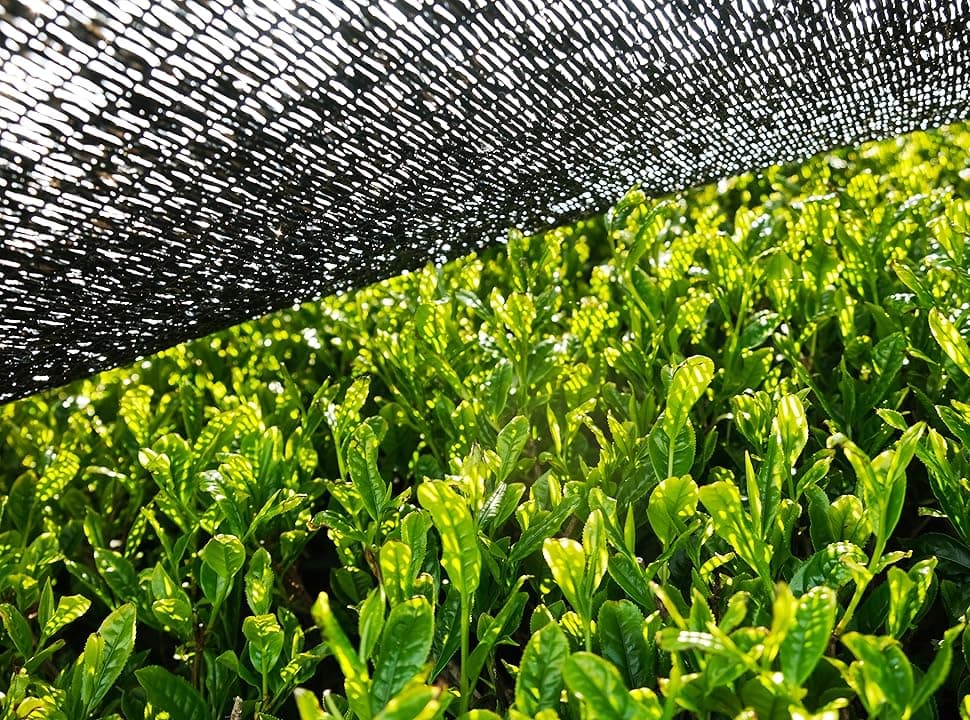
Unlike traditional green tea, matcha is produced from shade-grown leaves, which results in increased chlorophyll synthesis and elevated levels of L-theanine, catechins, and caffeine. This process entails shading the tea plants for approximately three to four weeks prior to harvest, stimulating a unique biochemical response. Quantitative analyses consistently demonstrate that matcha contains a catechin concentration approximately threefold higher than conventional brewed green tea, with epigallocatechin gallate (EGCG) as the predominant catechin. The synergy of these compounds supports antioxidant activity, neuroprotective effects, and metabolic enhancements. Advanced chromatographic techniques such as HPLC and mass spectrometry have elucidated the complex flavonoid profiles contributing to these effects.
Pharmacodynamics and Nutraceutical Applications
The pharmacokinetic profiles of matcha's bioactive compounds suggest enhanced bioavailability when consumed as a powdered leaf rather than extracted infusion. This aspect increases efficacy in modulating oxidative stress and inflammatory pathways implicated in chronic disease etiology. Theanine's modulation of alpha brain waves promotes cognitive focus and mental relaxation, creating a biochemical basis for matcha's inclusion in nootropic formulations. Current clinical trials increasingly validate matcha's role in glycemic control, lipid profile improvement, and immune modulation, positioning it as a valuable nutraceutical component. These outcomes reinforce matcha's integration into functional foods aimed at proactive health maintenance.
Agronomic Innovations in Matcha Cultivation
Optimizing Growth Conditions for Bioactive Maximization
Agricultural researchers have developed tailored protocols to enhance the phytochemical yield of matcha plants. Controlled shading, precise irrigation, and nutrient modulation are key interventions. The shade-grown technique elevates chlorophyll concentration and amino acid content by limiting photosynthesis intensity, which reduces catechin polymerization and preserves desirable compounds. Additionally, soil composition studies guide mineral supplementation to favor plant health and secondary metabolite synthesis. Experimental agronomic trials demonstrate that microclimatic manipulation within tea gardens significantly changes the qualitative and quantitative phytochemical spectrum of the harvested matcha leaves.
Post-Harvest Processing and Quality Control
The processing of matcha diverges markedly from conventional tea production. Leaves are steamed immediately after harvest to arrest oxidation, preserving chlorophyll and phenolic compounds. Subsequently, the leaves are destemmed, deveined, and ground into a fine powder using stone mills to minimize thermal degradation. These procedures are strictly controlled to maintain high-quality standards and antioxidant integrity. Industrial advancements now include spectrophotometric assessment of antioxidant capacity and chlorophyll content to ensure batch consistency. Such quality control measures are indispensable given the proliferation of adulterated products and the premium pricing of genuine matcha.
Market Dynamics and Industry Applications
Product Diversification Beyond Traditional Consumption
While matcha has historically been consumed primarily as tea, its utility has expanded dramatically due to its functional properties. Today, matcha powder is incorporated into a variety of product categories including:
- Functional beverages and ready-to-drink formulations optimized for cognitive and metabolic benefits.
- Dietary supplements targeting antioxidant support and energy metabolism.
- Cosmetic products leveraging matcha's antimicrobial and anti-inflammatory properties for skin health.
- Food ingredients in fortified snacks and confections appealing to health-conscious consumers.
This broadening application spectrum has catalyzed investment in extraction technologies and formulation sciences to enhance bioavailability and stability of matcha-derived ingredients within complex matrices.
Global Market Trajectory and Economic Impact
The matcha sector has exhibited double-digit compound annual growth rates over the past decade, driven by increased consumer awareness and expansion into new markets across North America, Europe, and Asia-Pacific regions. The premium pricing of matcha relative to standard green teas correlates with its labor-intensive cultivation and sophisticated processing requirements. Market analysts project continued growth propelled by rising demand for natural antioxidants and adaptogenic substances. Consequently, international trade dynamics are shifting, with key producing countries optimizing export strategies to capture higher-value segments of the wellness and nutraceutical industries.
Sustainability and Environmental Considerations
Ecological Footprint of Matcha Cultivation
The intensification of matcha production raises concerns related to water utilization, soil health, and biodiversity. Shade-grown cultivation, while beneficial for phytochemical enhancement, requires specific resource inputs, including water for sustaining microclimatic conditions and shading structures. Excessive agrochemical use threatens soil microbiota and downstream ecosystems, emphasizing the need for integrated pest management and organic cultivation techniques. Lifecycle assessments indicate that adopting renewable energy in processing and minimizing packaging waste could substantially reduce the carbon footprint associated with matcha supply chains.
Towards Sustainable Production Models
Industry stakeholders are increasingly adopting practices aligned with sustainability frameworks such as:
- Implementing agroforestry systems to integrate matcha plants with native flora, enhancing biodiversity.
- Optimizing water management through precision irrigation and rainwater harvesting.
- Utilizing organic fertilizers and biopesticides to mitigate environmental impacts.
- Employing circular economy principles in waste valorization from matcha processing residues.
Promoting such strategies ensures long-term viability of matcha cultivation and meets growing consumer demand for ethically sourced products.
Expert Analysis & FAQ
What biochemical factors distinguish matcha from other green teas and how do they influence its health properties?
Matcha's shading cultivation leads to a higher concentration of chlorophyll, L-theanine, and catechins, notably EGCG. This unique biochemical profile results in superior antioxidant capacity and a distinct neurophysiological effect through theanine's promotion of alpha brain wave activity. These combined factors contribute to enhanced cognitive function, stress modulation, and metabolic benefits not typically observed in standard green teas.
How do advancements in cultivation and processing affect the quality and consistency of matcha products?
Innovative agronomic techniques optimize leaf biochemical content by manipulating environmental factors such as light exposure and nutrient availability. Rapid steaming post-harvest preserves phenolic compounds and chlorophyll, while precise milling reduces thermal degradation. Together, these advances ensure uniformity in active compound concentrations, which is critical for maintaining standardized efficacy in consumer and clinical products.
What are the implications of matcha's expanding applications for the global wellness industry?
Matcha's integration into diverse product categories—ranging from nutraceuticals to cosmetics—reflects its multifaceted bioactivity. This diversification drives innovation in ingredient extraction and formulation, creating new market segments and competition. It also obliges industry players to adhere to rigorous quality assurance protocols, thereby elevating the standard for botanical-based wellness products.
What sustainability challenges does matcha cultivation face and how are they being addressed?
The primary challenges include resource-intensive shading practices, water consumption, and agrochemical dependence, which can degrade ecosystems if unmanaged. To mitigate these issues, sustainable approaches such as agroforestry, organic farming methods, and precision irrigation are being implemented. Moreover, lifecycle assessments and circular economy initiatives help minimize environmental footprints while maintaining productivity and quality.


