Matcha Powder: The Superfood Transforming Wellness
Nghia Tran
January 23, 2026 • 7 min read
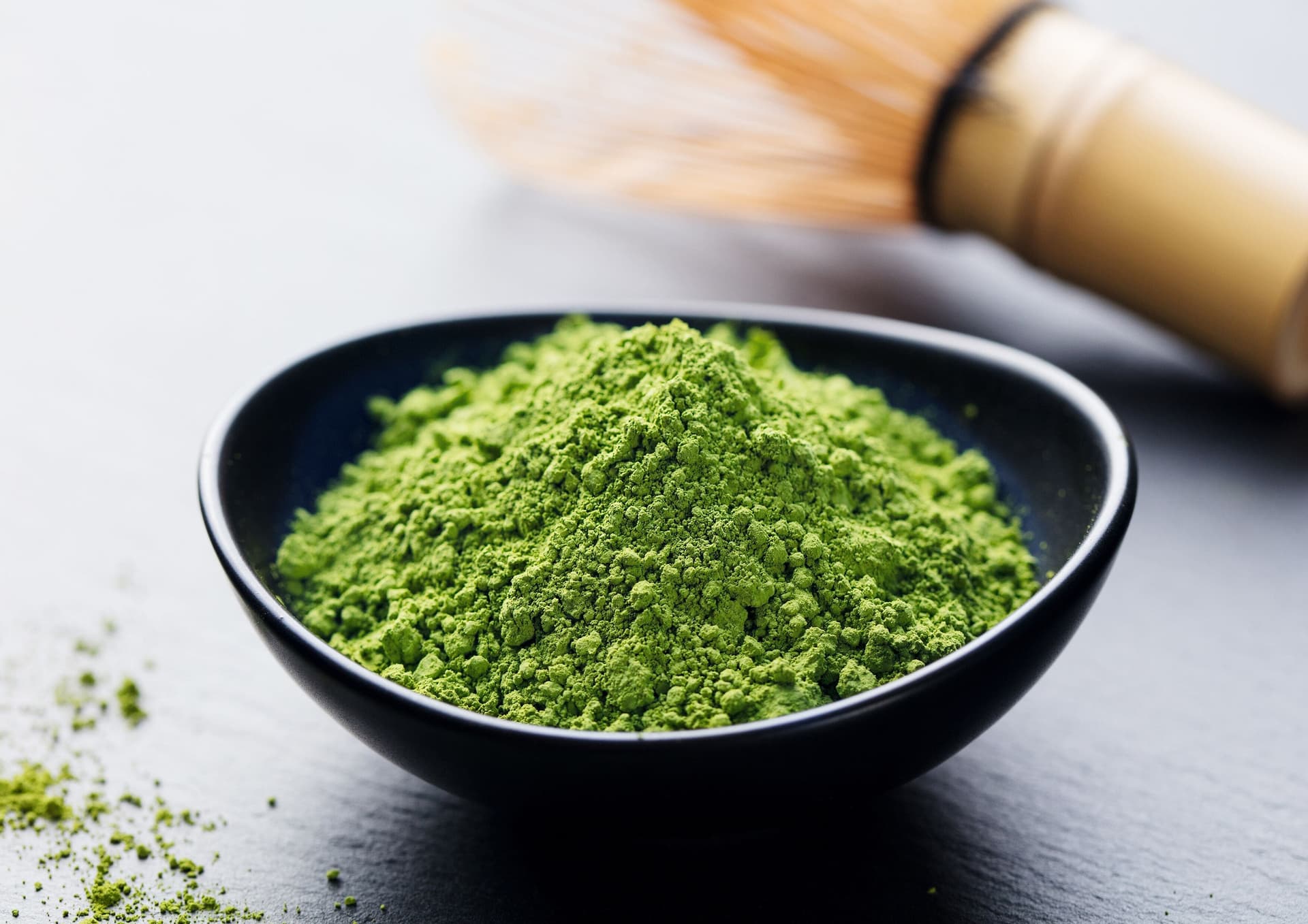
- Matcha powder's unique cultivation and processing methods significantly enhance its bioactive compound profile compared to conventional green teas.
- The biochemical complexity of matcha, including elevated catechins and L-theanine, underpins its superior antioxidant and neurocognitive benefits.
- The global matcha powder market is experiencing robust growth driven by increasing consumer awareness of functional foods and plant-based wellness products.
- Technological advancements in extraction and formulation techniques are expanding matcha's applications in nutraceuticals, beverages, and cosmeceuticals.
Matcha powder has emerged as a prominent functional food ingredient, capturing the attention of researchers, nutraceutical developers, and health-conscious consumers worldwide. Unlike conventional leaf infusions, matcha is a powdered form of finely ground green tea leaves derived from the Camellia sinensis plant, cultivated under unique shading conditions that materially affect its phytochemical composition. This editorial synthesizes current scientific understanding of matcha's biochemical properties, production methodologies, and its growing impact within the global wellness sector.
Phytochemical Composition and Health Implications of Matcha Powder
Biochemical Profile: Elevated Catechins and Amino Acids
Matcha's distinct cultivation method involves shading tea plants approximately three weeks prior to harvest, which profoundly influences the biochemical profile of the resulting leaves. Shading increases the concentration of chlorophyll and amino acids, particularly L-theanine, while suppressing catechin oxidation. Consequently, matcha typically exhibits higher levels of catechins—especially epigallocatechin gallate (EGCG)—than other green teas. Comprehensive chromatographic analyses demonstrate that matcha powder contains approximately three-fold higher concentration of EGCG compared to standard green tea infusions, a factor critical to its antioxidant capacity.
The synergy between catechins and L-theanine in matcha is hypothesized to contribute to cognitive benefits by simultaneously promoting calm alertness while mitigating stress responses. Additionally, the presence of vitamins (A, C, E, and K), trace minerals, and dietary fiber further enhances its nutritional profile, positioning matcha as a complex matrix rather than a simple antioxidant source.
Antioxidant Capacity and Metabolic Effects
Quantitative analyses utilizing ORAC (Oxygen Radical Absorbance Capacity) assays consistently indicate that matcha exhibits significantly elevated antioxidant potential relative to many other dietary sources. The robust antioxidant capacity primarily derives from polyphenolic compounds, which exert free radical scavenging activity and modulate cellular oxidative stress pathways.
In metabolic contexts, randomized controlled trials and mechanistic studies reveal that regular matcha consumption may support weight management by augmenting thermogenesis and fat oxidation. EGCG interacts with catechol-O-methyltransferase (COMT), prolonging sympathetic nervous system activation, which complements the mild stimulant effects of caffeine inherent in matcha powder. However, the unique interaction between caffeine and L-theanine tends to attenuate excessive sympathetic stimulation, promoting sustained focus without jitteriness.
Production Techniques and Quality Control Parameters
Agronomic Practices and Harvesting Methodologies
The quality of matcha powder is inexorably linked to agronomic parameters, particularly shading duration, soil composition, and plucking standards. The shading, typically executed via straw or synthetic nets, minimizes photosynthesis and reduces catechin biosynthesis while enhancing amino acid accumulation. Harvest timing is also critical; the youngest, topmost leaves contain the highest concentrations of desirable phytochemicals and are preferentially selected for premium matcha grades.
Post-harvest, leaves undergo immediate steaming to halt enzymatic oxidation and preserve chemical integrity. Drying follows to reduce moisture content to below 5%, preventing microbial growth and enzymatic degradation during storage. Subsequent de-stemming and deveining processes yield tencha, the intermediate product subjected to fine grinding, commonly via traditional stone mills, to produce matcha powder.
Analytical Characterization and Standards Compliance
Given the increasing adulteration risks and quality variability in global matcha markets, comprehensive standardization frameworks are indispensable. Analytical techniques employed include:
- High-Performance Liquid Chromatography (HPLC) for quantifying catechins and caffeine levels.
- Mass Spectrometry coupled with chromatographic separation for metabolomic profiling.
- Colorimetric analyses to ascertain chlorophyll and carotenoid concentrations ensuring greenness correlates with quality.
- Microbiological assays to detect potential contamination in powdered products.
International regulatory bodies and trade organizations are progressively enacting standards to define permissible pesticide residues, heavy metal content, and authenticity criteria, underpinning consumer safety and product efficacy assurances.
Global Market Dynamics and Emerging Applications
Industry Growth Drivers and Supply Chain Considerations
Over the past decade, demand for matcha powder has consistently expanded across North America, Europe, and Asia-Pacific regions, stimulated by rising consumer predilection for natural functional ingredients and holistic wellness paradigms. Key growth drivers encompass:
- Increased consumer awareness regarding antioxidants and plant-based nutrition.
- Innovation in convenience-oriented product formats, such as ready-to-drink matcha beverages and matcha-infused snacks.
- Crossover appeal within the cosmetic and pharmaceutical industries seeking bioactive compounds with anti-inflammatory and anti-aging potential.
- Sustainability considerations, including organic certification and traceability from farm to consumer, enhancing brand equity.
Supply chain robustness is critical, as cultivation is geographically concentrated primarily in Japan, China, and emerging producers in Taiwan and South Korea. Climatic variability and labor intensity in cultivation underscore risks influencing global matcha availability and pricing.
Innovations in Formulation and Functional Integration
Advancements in extraction technology and microencapsulation have facilitated broader incorporation of matcha powder into various product matrices while preserving bioactivity. These technological improvements enable:
- Enhanced solubility and bioavailability through nanoemulsions and lipid-based carriers.
- Stabilization of volatile phytochemicals during processing and shelf-life.
- Customized dosage forms targeting specific health indications such as cognitive support, metabolic health, and skin protection.
- Integration with complementary botanicals to achieve synergistic effects in polyherbal formulations.
These innovative modalities not only diversify product portfolios but also respond to regulatory frameworks governing health claims, necessitating rigorous clinical substantiation.
Expert Analysis & FAQ
What distinguishes matcha's antioxidant properties compared to standard green tea extracts?
Matcha's antioxidant profile is markedly enhanced due to consumption of the entire leaf as powdered form rather than infusion extraction from leaves. This results in a greater intake of catechins, particularly EGCG, as well as other polyphenols, L-theanine, and chlorophyll. The shading process prior to harvest increases these compounds by suppressing photosynthetic activity, which differentiates matcha from conventional green teas. Scientific studies consistently report that ORAC values for matcha are substantially higher, reflecting superior radical scavenging activity.
How does the L-theanine content influence the physiological effects of matcha?
L-theanine is a non-proteinogenic amino acid unique to tea plants that crosses the blood-brain barrier and acts as a neuromodulator. It promotes alpha wave brain activity associated with relaxation without sedation. When combined with caffeine—also present in matcha—L-theanine modulates excitatory neurotransmission, attenuating the potential overstimulation commonly attributed to caffeine. This neurochemical interplay facilitates a state of calm focus, which has been validated by EEG studies and clinical assessments of cognitive performance under matcha consumption.
What are the key quality control challenges faced by the matcha powder industry?
Quality control challenges include potential adulteration with lower-grade or non-tea powders, pesticide residue contamination, and inconsistencies in harvesting and milling practices. Additionally, ensuring uniform particle size and moisture content is critical to prevent clumping and degradation. The sector is also challenged by the lack of globally harmonized standards for matcha identity and purity. Thus, advanced analytical methods and third-party certifications are increasingly employed to assure authenticity, safety, and efficacy.
What future trends are anticipated in matcha powder applications within the wellness sector?
Emerging trends involve precision nutrition approaches where matcha formulations are tailored to individual metabolic or cognitive profiles. Additionally, the incorporation of matcha-derived bioactives into transdermal and topical applications is gaining attention due to its antioxidant and anti-inflammatory functions. Sustainable cultivation practices leveraging agritech innovations aim to improve yield and phytochemical consistency. Lastly, integration with digital health platforms to monitor user outcomes could elevate matcha's role from a dietary supplement to a component of personalized wellness regimens.