Matcha Green Tea Powder: The Trend Taking Over
Nghia Tran
January 23, 2026 • 7 min read
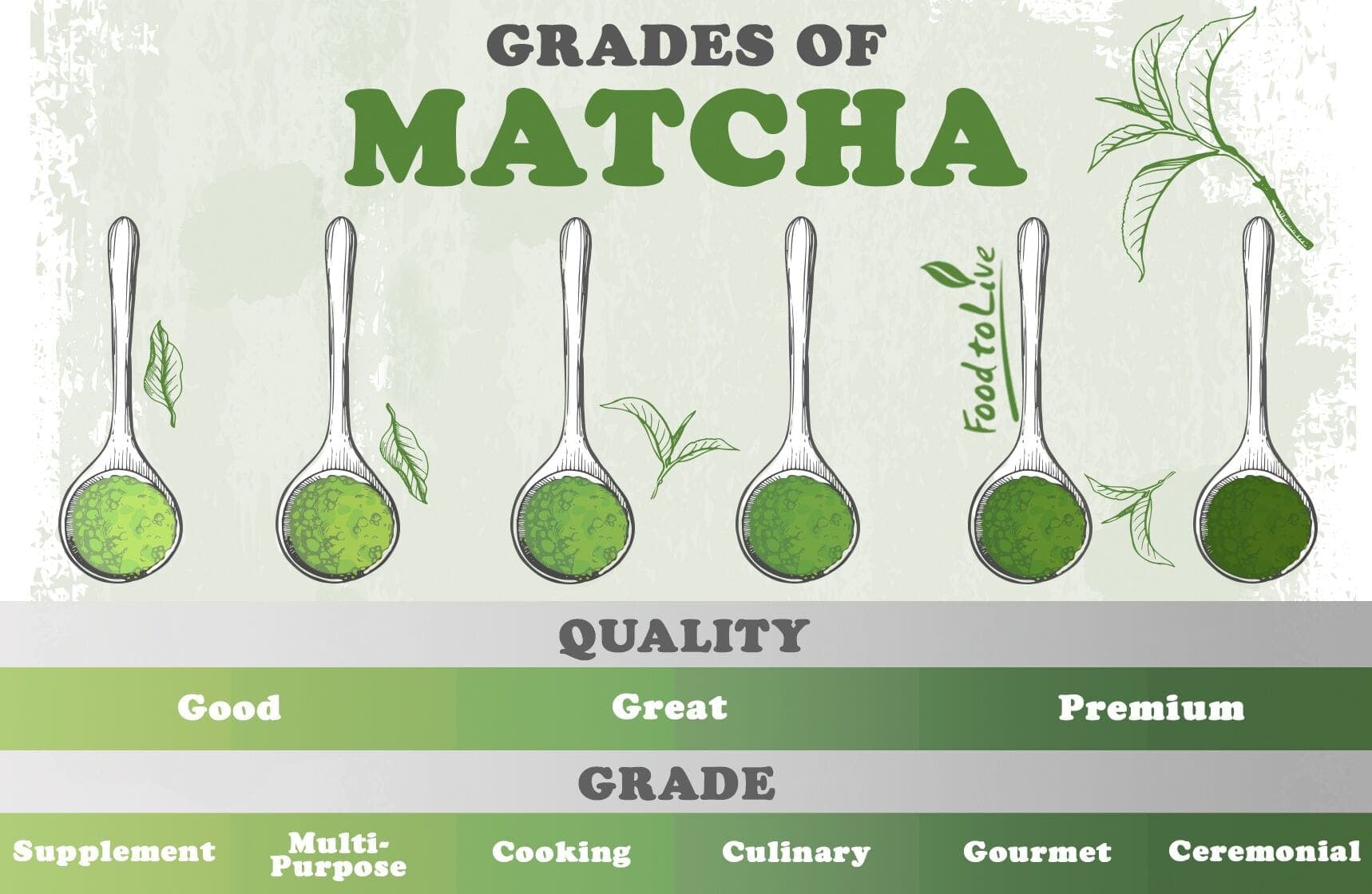
- Rising global demand for matcha green tea powder is driven by its unique biochemical composition and associated health benefits.
- Scientific advancements in cultivation and processing techniques have enhanced the quality and bioavailability of matcha compounds.
- The integration of matcha powder in diverse product segments reflects evolving consumer preferences toward functional foods.
- Sustainability and origin traceability are becoming critical factors influencing production and market acceptance.
- Regulatory frameworks and quality standards play a pivotal role in controlling adulteration and ensuring product authenticity.
Matcha green tea powder, a finely ground powder made from specially grown and processed green tea leaves, has transitioned from a traditional Japanese beverage to a globally recognized functional ingredient. Its ascendance in the beverage and nutraceutical industries warrants a systematic examination of the interdisciplinary factors underpinning its current trend. The distinctive cultivation methodologies and post-harvest processing confer matcha with a complex phytochemical profile dominated by catechins, chlorophyll, L-theanine, and caffeine, which collectively contribute to both sensory characteristics and purported physiological effects. This analysis aims to elucidate the biochemical attributes, production techniques, market dynamics, and regulatory considerations that collectively underpin the rise of matcha in global marketplaces.
Biochemical Profile and Health-Related Attributes of Matcha
Phytochemical Composition and Bioactive Constituents
Matcha green tea powder is characterized by a unique concentration of bioactive compounds resultant from its shading cultivation method, which reduces photosynthetic activity and increases chlorophyll and amino acid levels, notably L-theanine. The finely powdered form allows for whole-leaf ingestion, augmenting intake of key components beyond traditional steeped teas.
Major constituents include:
- Catechins: Particularly epigallocatechin gallate (EGCG), exhibiting potent antioxidant capacity.
- L-theanine: An amino acid linked to neurophysiological modulation, promoting relaxation without sedation.
- Caffeine: Provides mild stimulatory effects balanced by the presence of L-theanine.
- Chlorophyll: Imparts the distinct green coloration and serves as an indicator of quality and maturity.
- Vitamins and Minerals: Including vitamin C, potassium, and magnesium in trace amounts.
The bioavailability of these compounds in matcha powder is subject to absorption kinetics influenced by matrix interactions, with clinical studies evaluating their synergistic effects on metabolic and cognitive functions. Increasing empirical evidence correlates regular matcha consumption with antioxidant activity, anti-inflammatory effects, and potential modulation of glucose metabolism.
Scientific Evidence on Health Benefits and Functional Mechanisms
Contemporary research has focused on elucidating the molecular mechanisms through which matcha constituents exert physiological effects. EGCG demonstrates inhibitory activity on oxidative stress pathways, while L-theanine impacts neurotransmitter regulation through modulation of alpha brain wave activity.
Interventional studies have explored outcomes including:
- Cognitive Enhancement: Trials assessing improvements in attention, memory, and stress response in human subjects.
- Metabolic Regulation: Investigations into lipid profile modulation and insulin sensitivity.
- Cardiovascular Health: Antioxidant-mediated endothelial protection and blood pressure modulation.
- Weight Management: Thermogenic properties attributed to catechin-caffeine synergy.
Nonetheless, limitations related to sample sizes, study duration, and confounders suggest cautious interpretation of efficacy, emphasizing the need for further randomized controlled trials to establish clinical recommendations.
Production Techniques and Quality Determinants
Cultivation Practices and Their Impact on Chemical Properties
The agronomic approach underlying matcha production involves shading tea plants for approximately 20–30 days pre-harvest, which suppresses photosynthesis, inducing an increase in chlorophyll and amino acid concentrations. This strategic manipulation enhances flavor profiles, yielding a smoother, less bitter powder when ground.
Key cultivation factors influencing quality include:
- Shade Intensity and Duration: Affecting biochemical synthesis and color vibrancy.
- Harvest Timing: First flush leaves (youngest) generally provide superior flavor and nutrient profiles, though subsequent harvests influence yield.
- Soil Quality and Climatic Conditions: Soil composition, temperature, and moisture impact phytochemical accumulation.
Geographical origin, traditionally rooted in Japan's Uji and Nishio regions, has expanded to include China, Korea, and emerging producers, each imparting distinctive terroir effects on matcha characteristics.
Post-Harvest Processing and Grinding Techniques
Following plucking, leaves undergo a rapid steaming process to prevent oxidation, preserving the green hue and stabilizing polyphenolic compounds. Subsequent drying precedes the removal of leaf veins and stems—an essential step to avoid bitterness.
Finely grinding the processed leaves into powder is traditionally achieved using granite stone mills operating at low speeds, which minimizes heat generation, thus preventing degradation of thermolabile constituents. Modern industrial milling devices have sought to replicate this delicate balance to accommodate scaling demands.
Critical quality indicators during processing encompass:
- Particle Size Distribution: Influences mouthfeel and extraction efficiency.
- Moisture Content: Affects shelf stability and microbial growth potential.
- Colorimetric Analysis: Utilized to assess chlorophyll retention and oxidation status.
Market Dynamics and Regulatory Environment
Global Demand Trends and Product Innovation
The global market for matcha green tea powder has exhibited exponential growth driven by heightened consumer interest in functional foods, natural antioxidants, and cultural cuisine integration. Market segmentation reveals applications beyond traditional beverage consumption, incorporating confections, nutritional supplements, cosmetics, and culinary ingredients.
Emerging product categories include:
- Ready-to-drink matcha beverages: Targeting convenience-oriented consumers.
- Functional food blends: Combining matcha with probiotics, proteins, or superfoods.
- Cosmeceuticals: Utilizing antioxidant properties for dermal formulations.
Consumer preferences increasingly favor organic certification, traceability of origin, and sustainability claims, compelling producers to invest in verifiable supply chain transparency.
Quality Assurance, Standards, and Regulatory Frameworks
The proliferation of matcha products has been accompanied by concerns over adulteration, fraudulent labeling, and inconsistent quality. Regulatory bodies in different jurisdictions have established guidelines pertaining to:
- Purity Criteria: Standards defining permissible levels of contaminants and foreign matter.
- Labeling Requirements: Mandating transparency regarding origin, cultivar, and processing methods.
- Contaminant Limits: Controls on pesticide residues, heavy metals, and microbial contamination.
ISO standards and Codex Alimentarius provisions have been referenced to harmonize international trade, although heterogeneity remains. Advances in chromatographic fingerprinting and DNA barcoding techniques offer analytical tools enhancing authentication capabilities essential to enforcing regulatory compliance.
Expert Analysis & FAQ
What distinguishes matcha green tea powder from conventional green tea in terms of bioavailability?
Unlike traditional steeped green tea, matcha involves consumption of whole leaf powder suspended in water, which facilitates higher uptake of catechins, L-theanine, and other polyphenols. Clinical pharmacokinetic studies have demonstrated elevated plasma concentrations of EGCG and related compounds post-matcha ingestion compared to brewed tea, contributing to more pronounced physiological effects. However, matrix components such as fiber may modulate absorption rates.
How do cultivation variables influence the sensory and chemical characteristics of matcha powder?
Shading intensity and duration fundamentally alter plant metabolism by reducing photosynthate production while increasing chlorophyll and amino acid synthesis, particularly L-theanine, yielding umami flavor and deep green hue. Environmental factors, including soil mineral content and altitude, further modulate flavonoid profiles and volatile organic compound composition, impacting aroma and taste. Consequently, terroir and agronomic practices are critical determinants of matcha quality and market differentiation.
What are the primary challenges in ensuring the authenticity and purity of commercial matcha powders?
Adulteration with cheaper green tea powders, starch fillers, or colorants undermines product integrity and consumer trust. Analytical challenges arise due to complex phytochemical matrices requiring sophisticated techniques such as high-performance liquid chromatography (HPLC), mass spectrometry, and nuclear magnetic resonance (NMR) spectroscopy for compositional fingerprinting. Regulatory enforcement depends on such methodologies alongside genetically informed authentication to ascertain cultivar and provenance.
Are current health claims associated with matcha supported by robust scientific evidence?
While in vitro and animal studies robustly demonstrate antioxidant and metabolic regulatory properties of matcha constituents, human clinical data remain comparatively limited and heterogenous in methodology. Systematic reviews highlight potential benefits in cognitive function, weight management, and cardiovascular risk reduction, yet emphasize the necessity for larger-scale, well-controlled trials to substantiate specific claims and delineate dosage parameters. Consumers and practitioners should regard matcha as a complementary nutritional element rather than a therapeutic agent.


-01K7R461YA6X0ERK9PHE4062CT.webp&w=1920&q=75)