Matcha Green Tea Powder: The Trend Transforming Beverages
Nghia Tran
February 6, 2026 • 6 min read
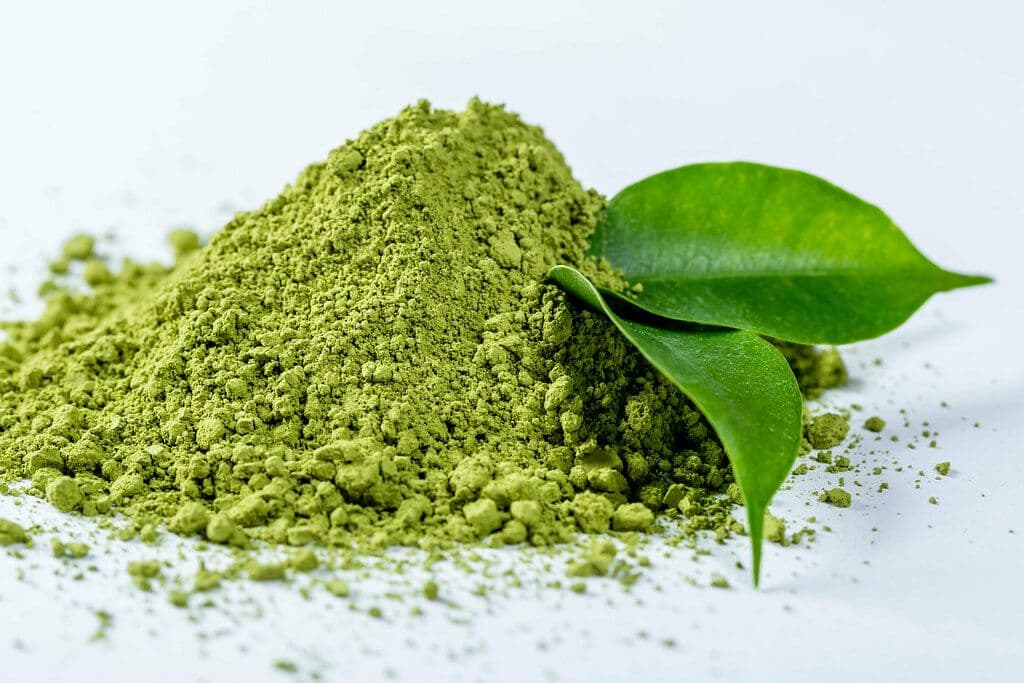
- Matcha green tea powder is redefining beverage formulation through its unique production, nutritional profile, and sensory attributes.
- Scientific advancements have elucidated the biochemical compounds in matcha contributing to health benefits, fueling global demand.
- The manufacturing process, involving shade-grown Camellia sinensis leaves and precise grinding, underpins matcha's distinct properties.
- Market dynamics reveal significant growth driven by consumer trends toward functional, plant-based, and antioxidant-rich beverages.
- Innovations in application techniques broaden matcha's incorporation beyond traditional tea, impacting product development in food and beverage sectors.
The ascendance of matcha green tea powder as a transformative ingredient in the global beverage industry is evidenced by its expanding utilization and scientific validation. Derived from Camellia sinensis leaves cultivated under specific agronomic conditions, matcha represents a departure from conventional green teas through its unique production methodology and biochemical composition. This article examines the multifaceted factors driving matcha's resurgence, focusing on its processing, phytochemical profile, health implications, and market influences that collectively redefine consumer preferences and industry formulations.
Production and Processing of Matcha Green Tea Powder
Agronomic Conditions and Harvesting Techniques
The cultivation of matcha green tea powder necessitates precise agronomic practices, notably shading the tea plants for approximately three to four weeks prior to harvest. This practice inhibits chlorophyll degradation and promotes the synthesis of amino acids, particularly L-theanine, which contributes to the powder's characteristic umami flavor. The shading process modifies photosynthetic activity, reducing catechin production relative to unshaded leaves. Harvesting targets only the youngest, topmost leaves to maximize nutrient density and flavor profile. These agronomic interventions underscore the interplay between cultivation environment and phytochemical yield in matcha production.
Processing: Steaming, Drying, and Grinding
Post-harvest, matcha leaves undergo a rapid steaming process designed to halt enzymatic oxidation, thereby preserving polyphenolic compounds and vibrant chlorophyll content. Subsequently, leaves are dried and stripped of veins and stems, producing tencha, the precursor to matcha powder. The grinding process employs traditional stone mills that slowly pulverize the tencha into a fine powder, with particle sizes averaging 5 microns to optimize dispersibility in liquid media. This meticulous processing chain ensures retention of bioactive components and defines matcha's sensorial attributes, distinguishing it from other green tea derivatives.
Biochemical Composition and Health Implications
Phytochemical Constituents
Matcha exhibits a complex matrix of bioactive compounds, primarily catechins (notably epigallocatechin-3-gallate, EGCG), L-theanine, caffeine, and chlorophyll. The elevated concentration of EGCG, a potent antioxidant, confers significant free radical scavenging capacity, which is partly attributed to the powdered form enabling complete leaf consumption. L-theanine synergistically modulates the neuro-stimulatory effects of caffeine, producing a balanced cognitive alertness without jitters typically associated with caffeine intake. The interplay of these compounds establishes matcha as a functional ingredient with potential neuroprotective, anti-inflammatory, and metabolic regulatory effects.
Clinical and Nutritional Implications
Emerging empirical studies have correlated regular matcha consumption with improved cardiovascular markers, enhanced lipid metabolism, and attenuation of oxidative stress. Additionally, investigations into matcha's neurocognitive effects highlight the role of L-theanine-caffeine interactions in augmenting attention and reducing stress-related parameters. Nutritionally, matcha provides catechins at concentrations significantly higher than traditional brewed green tea, given the ingestion of powdered leaf material. These findings substantiate the incorporation of matcha into health-oriented beverage formulations, aligning with consumer shifts toward functional and preventive nutrition.
Market Dynamics and Consumer Trends
Global Market Growth Trajectory
The worldwide matcha green tea powder market has witnessed exponential growth, propelled by increased consumer awareness of wellness and natural ingredients. Market analyses indicate compound annual growth rates (CAGR) exceeding 10% in several regions, including North America, Europe, and Asia-Pacific. The escalation is linked to a burgeoning demand for antioxidant-rich, plant-based beverages and evolving palates seeking novel sensory experiences. Furthermore, product innovation spanning ready-to-drink matcha lattes, matcha-infused energy drinks, and functional supplements has expanded application scope, cementing matcha's relevance in diversified beverage categories.
Regulatory and Quality Considerations
As demand proliferates, regulatory frameworks emphasize quality control, food safety, and authenticity verification to mitigate adulteration risks. Standards encompass pesticide residue limits, heavy metal thresholds, and certification of organic cultivation methods. Furthermore, geographic indication (GI) status in certain regions necessitates adherence to stringent production protocols, reinforcing product integrity. Industry players invest in traceability systems and third-party testing to assure consumers of matcha's provenance and biochemical profile consistency, critical to sustaining market confidence and regulatory compliance.
Innovative Applications and Technological Advances
Incorporation Techniques in Beverage Formulation
The physicochemical properties of matcha powder, including its fine particle size and water dispersibility, facilitate its integration into diverse beverage matrices. Technological advancements in emulsification and homogenization enable the stabilization of matcha suspensions, eliminating sedimentation challenges common in powdered inclusions. These techniques support the development of novel delivery formats such as carbonated matcha drinks, protein shakes with matcha infusion, and non-dairy matcha-based beverages, enhancing consumer appeal and product functionality.
Advances in Extraction and Standardization
Research into optimizing bioactive extraction from matcha has yielded novel solvent-free and enzymatic methods aimed at enhancing yield and purity of key components like EGCG. Concurrently, analytical technologies such as high-performance liquid chromatography (HPLC) enable precise quantification and standardization of catechins and caffeine levels across production batches. These processes underpin consistent product efficacy and support health claims substantiation, crucial for regulatory approval and market differentiation in the competitive natural beverage landscape.
Expert Analysis & FAQ
What distinguishes matcha green tea powder from conventional green teas in terms of health benefits?
Matcha green tea powder differs substantially from conventional green teas because it involves the consumption of the entire leaf in powdered form, as opposed to an infusion. This results in significantly higher intake of catechins, especially EGCG, and other phytochemicals, leading to enhanced antioxidant capacity and potential metabolic benefits. Additionally, its unique combination of caffeine and L-theanine offers a distinctive neurocognitive effect not typically observed in standard brewed green teas.
How do shading cultivation practices impact the chemical profile of matcha?
Shading tea plants prior to harvest reduces photosynthesis, leading to increased chlorophyll and amino acid production, particularly L-theanine, while decreasing catechin (bitter polyphenols) levels. This results in a sweeter, umami-rich flavor and a green hue that distinguishes matcha from unshaded green teas. The altered phytochemical profile also influences antioxidant capacity and bioactivity, underpinning the distinct functional properties of matcha powder.
What are the primary challenges in maintaining matcha quality during processing and storage?
Maintaining matcha quality requires controlling oxidative degradation, moisture content, and light exposure. The delicate chlorophyll and catechins are susceptible to oxidation, which can diminish color vibrancy and antioxidant potency. Processing must be rapid and conducted at low temperatures, and storage needs to be in airtight, opaque containers under refrigeration to prevent moisture ingress and photodegradation. These precautions are critical to preserving flavor, color, and functional properties throughout shelf life.
How is the rise in matcha popularity influencing global beverage innovation trends?
The increasing demand for matcha has catalyzed an expansion of beverage innovations focused on functional and plant-based formulations. Matcha serves as a versatile ingredient that aligns with consumer preferences for natural antioxidants, cognitive enhancement, and clean-label ingredients. This trend is driving beverage developers to create hybrid products, such as matcha-enhanced functional waters, adaptogenic blends, and non-dairy lattes, thereby broadening market segments and fostering cross-category synergies.




-01K7R461YA6X0ERK9PHE4062CT.webp&w=1920&q=75)