Ippodo: Redefining Modern Tea Culture and Tradition
Nghia Tran
January 23, 2026 • 6 min read
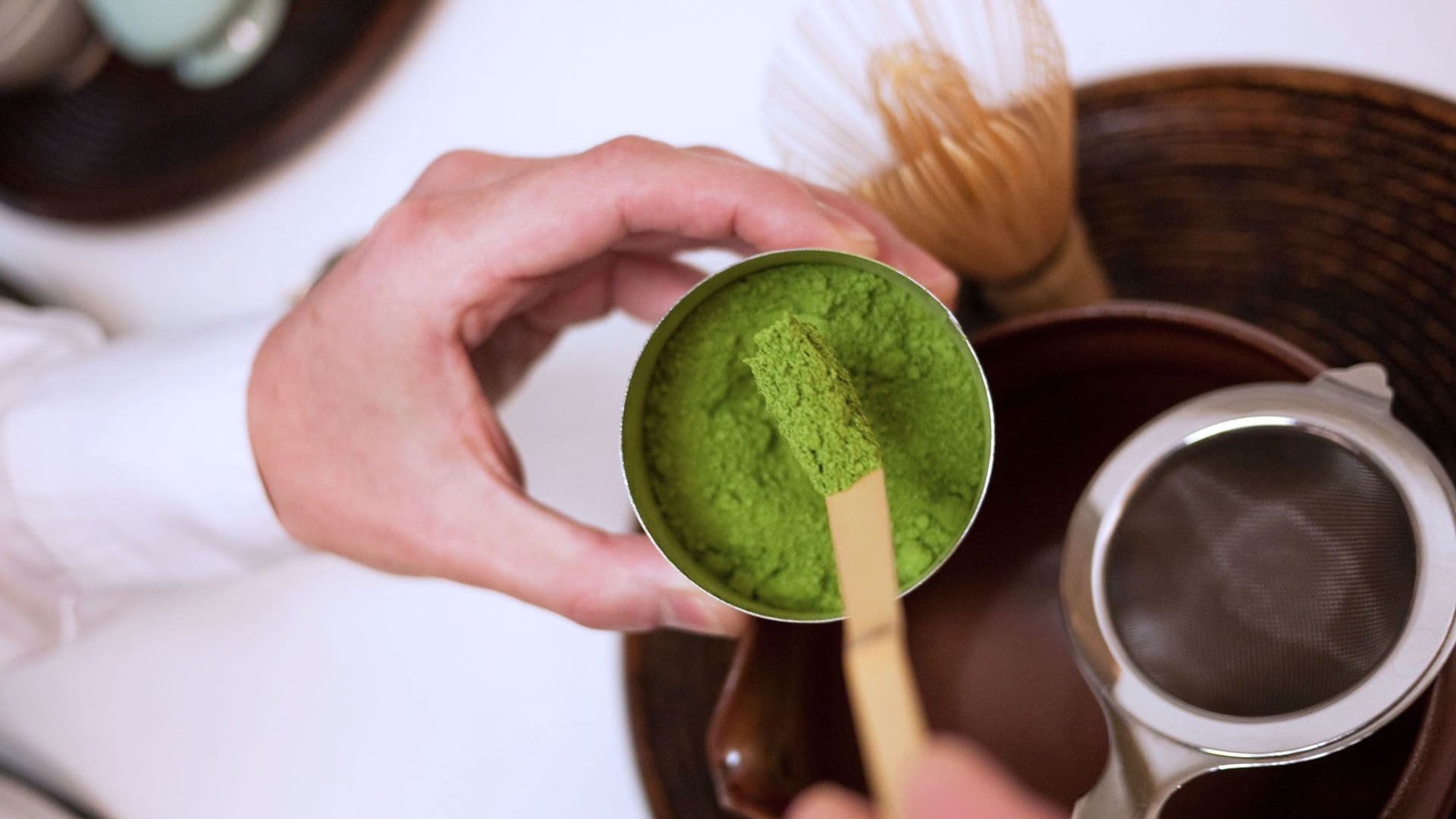
- Integration of traditional methodologies with contemporary tea consumption trends is reshaping the global tea industry.
- Scientific advancements in tea processing enhance flavor profiling and optimize bioactive compound preservation.
- The role of terroir and cultivar specificity is increasingly recognized in premium tea quality assessment and marketing.
- Global consumer preferences are shifting towards authenticity, traceability, and sustainability in tea sourcing and production.
Introduction to Ippodo's Influence in Modern Tea Culture
Historical Foundations of Ippodo Tea Practices
Originating from Kyoto, the region renowned for meticulous tea cultivation, the tradition represented by Ippodo embodies a centuries-old commitment to preserving Japanese tea craftsmanship. The methodological precision applied in tea cultivation, harvesting, and processing reflects a broader cultural ethos emphasizing harmony, respect, and purity. This heritage-based approach has formed a benchmark within the specialty tea sector, validating the interplay between time-honored techniques and the scientific understanding of tea chemistry. Fundamentally, Ippodo has contributed to preserving unique cultivar varieties and processing methods that maintain traditional flavor signatures and textural profiles.
Positioning in the Global Tea Industry
As modern tea culture evolves, Ippodo serves as an exemplar of balancing tradition with contemporary demand dynamics. The brand's strategy transcends mere retail to act as a cultural ambassador promoting authentic Japanese tea values internationally. This global positioning capitalizes on a growing consumer emphasis on provenance, quality assurance, and detailed sensory experiences. Moreover, Ippodo's model illustrates the integration of controlled supply chain transparency and quality control mechanisms essential for premium tea commercialization in international markets where differentiation through artisanal credibility is paramount.
Scientific Analysis of Ippodo's Tea Production Techniques
Processing Methodologies and Their Impact on Chemical Composition
The unique steaming and drying techniques employed in processing green tea under this paradigm critically influence the biochemical constituents responsible for flavor, aroma, and health benefits. Steaming, as opposed to pan-firing, rapidly inactivates catechol oxidase enzymes, thereby preserving higher concentrations of catechins and chlorophyll pigments. Subsequent drying phases are carefully temperature-controlled to prevent thermal degradation of volatile aromatic compounds and polyphenols. These practices contribute to the characteristic vegetal and umami profiles and potent antioxidant activity observed in premium Japanese green teas.
Terroir, Cultivar Selection, and Quality Assessment
The scientific classification of tea quality is increasingly recognizing terroir effects, encompassing soil composition, microclimate, altitude, and cultivation practices. Ippodo's teas often derive from specific cultivars genetically selected for compatibility with the Kyoto region's climatic conditions, promoting optimal biosynthesis of amino acids such as L-theanine and caffeine levels tailored for balanced sensory profiles. Analytical protocols such as high-performance liquid chromatography (HPLC) and gas chromatography-mass spectrometry (GC-MS) enable precise profiling of these components to ensure batch consistency and authenticate product origin.
Market Dynamics and Consumer Trends in Premium Tea Segments
Demand for Authenticity and Sustainability
Current market research indicates a pronounced shift in consumer behavior favoring products with verified authenticity and minimal ecological footprint. The Japanese tea sector, including entities following the Ippodo model, has responded by implementing strict environmental stewardship protocols, such as reduced pesticide application and organic farming methods. These sustainability measures are accompanied by rigorous third-party certification processes, enhancing transparency and consumer confidence. Additionally, consumer education campaigns focus on traditional tea preparation techniques that augment appreciation and perceived product value.
Technological Innovation in Tea Experience Enhancement
In parallel with traditional practices, innovative technologies have been introduced to refine tea preparation and consumption. Examples include precise temperature-controlled brewing devices and oxygen-barrier packaging that extend shelf-life without compromising freshness. Such advancements serve to bridge the gap between artisanal tradition and modern convenience, attracting new demographics while maintaining the integrity of sensory attributes. Furthermore, digital platforms for direct-to-consumer sales incorporate data analytics to tailor customer experiences and forecast demand fluctuations within niche tea markets.
Future Outlook and Industry Implications
Integration of Scientific Research and Cultural Heritage
The sustainability of traditional tea culture within a proliferating global market depends on synergistic integration between scientific research and cultural preservation. Continued investigation into tea phytochemistry and agronomy can inform refinement of processing parameters, optimizing health-related bioactive compounds. Simultaneously, safeguarding intangible cultural assets ensures that modernization does not erode the ritualistic and experiential dimensions critical to consumer engagement and brand differentiation. This dual focus is imperative for maintaining competitive advantage in an increasingly commoditized marketplace.
Global Expansion and Adaptation Strategies
To effectively penetrate diverse international markets, adaptive strategies that respect local consumer palates and consumption habits must be employed without diluting core traditional values. This may include product line diversification encompassing flavored blends or convenient formats while upholding strict quality controls. Collaboration with academic institutions and industry consortia can facilitate knowledge exchange and standardization of best practices, promoting cross-cultural appreciation and knowledge dissemination. Ultimately, global expansion necessitates a nuanced balance between innovation and fidelity to foundational principles.
Expert Analysis & FAQ
How does Ippodo's steaming process specifically affect the tea's chemical profile?
The steaming process rapidly halts enzymatic oxidation by inactivating polyphenol oxidases, preserving catechins, particularly epigallocatechin gallate (EGCG), which are potent antioxidants. This contrasts with pan-firing methods where partial oxidation can occur, altering flavonoid profiles and reducing chlorophyll content. The result is a tea with a vivid green color, pronounced umami taste due to elevated free amino acids such as L-theanine, and a fresh aromatic profile.
What role does terroir play in differentiating premium Japanese teas?
Terroir influences soil mineral content, moisture levels, sunlight exposure, and ambient temperatures, all of which affect metabolite biosynthesis in tea plants. These variables modulate concentrations of caffeine, amino acids, and volatile aromatic compounds, thereby creating distinctive regional flavor profiles. For example, cultivation at higher altitudes often results in slower leaf maturation, enhancing amino acid accumulation and reducing bitter catechin levels, factors central to premium tea classification.
In what ways are modern technologies utilized to maintain the freshness and quality of traditional teas during global distribution?
Advanced packaging technologies, such as vacuum sealing and inert gas flushing, prevent oxidation and moisture ingress, thereby preserving volatile compounds and bioactive constituents. Temperature-controlled logistics minimize enzymatic degradation, and real-time quality sensors can monitor storage conditions. These technologies ensure that tea reaches global consumers with minimal alteration to taste, aroma, and nutritional profile compared to freshly processed counterparts.
How can maintaining cultural authenticity coexist with the demands of global commercialization?
Maintaining cultural authenticity alongside commercialization requires a framework that prioritizes rigorous quality standards, transparent provenance documentation, and educational initiatives to promote cultural literacy. By leveraging storytelling and interface design, brands can contextualize the traditional significance of tea, enhancing consumer appreciation. Concurrently, product innovation should be framed to respect rather than overwrite cultural narratives, ensuring authenticity remains a core attribute of value differentiation.