Why Organic Matcha is Today's Green Gold for Wellness
Nghia Tran
January 23, 2026 • 6 min read
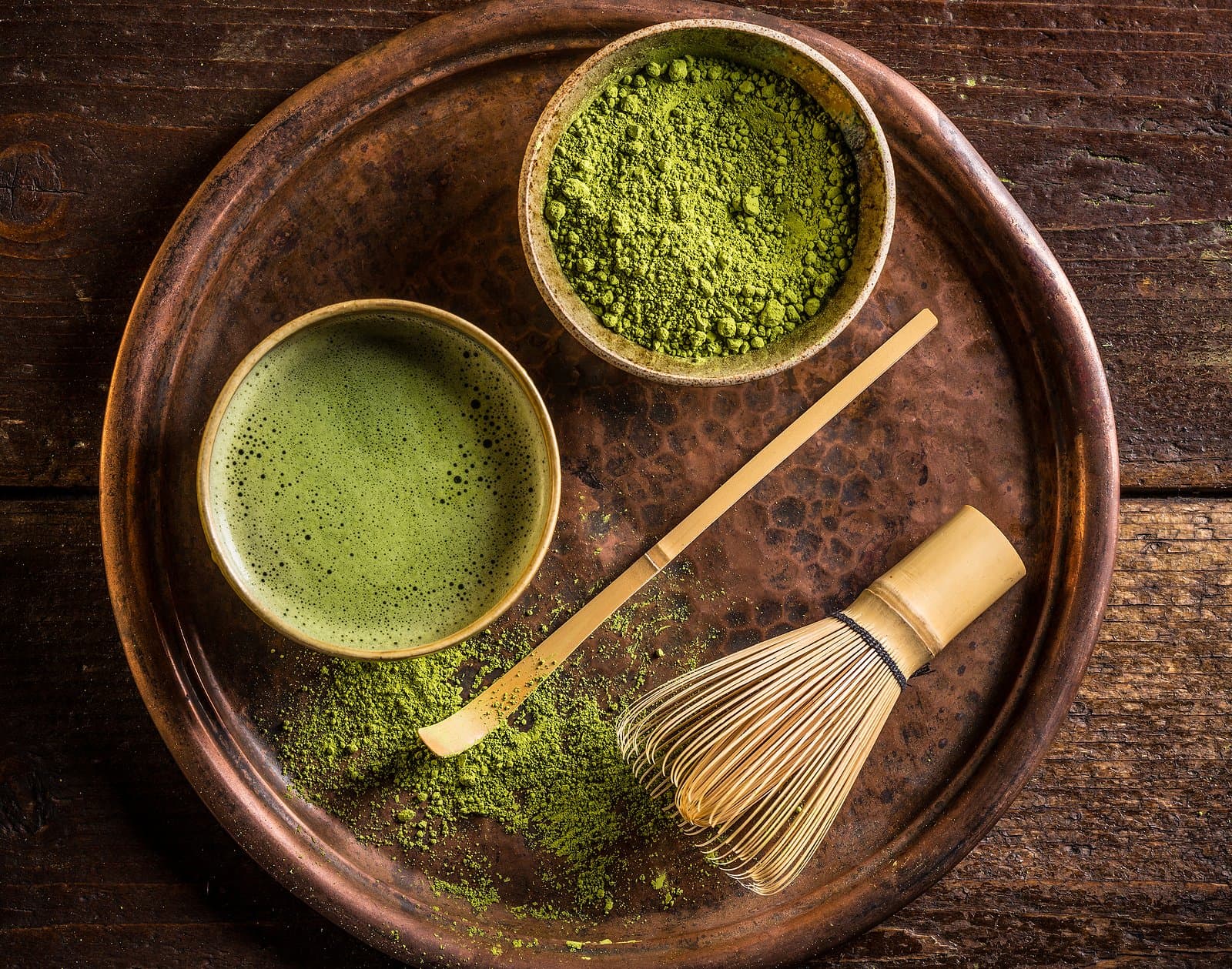
- Organic matcha represents a convergence of traditional cultivation methods and modern wellness demands, emphasizing purity and sustainability.
- Scientific analyses confirm that organic matcha contains higher concentrations of bioactive compounds compared to conventionally grown counterparts, directly impacting its health efficacy.
- The stringent certification processes for organic cultivation ensure safety, ecological responsibility, and product integrity, which are critical in a globally expanding market.
- Emerging studies elucidate the role of organic matcha's unique phytochemical profile in cognitive enhancement, metabolic regulation, and chronic disease mitigation.
- Supply chain dynamics and consumer preference trends signal sustained growth, positioning organic matcha as a premium botanical commodity akin to 'green gold' in the wellness sector.
Organic matcha is increasingly recognized as a valuable phytotherapeutic agent in wellness, transcending its traditional roots. Derived from Camellia sinensis leaves cultivated under organic agronomic practices, it embodies both historical significance and contemporary scientific validation. The prioritization of pesticide-free, chemical-minimal growing conditions preserves the leaf's intrinsic bioactivity, thus facilitating superior nutraceutical profiles relative to conventionally grown matcha variants. Consequently, organic matcha's ascendancy in the global wellness market is underpinned by its biochemical attributes, stringent quality assurance, and alignment with sustainability principles.
Phytochemical Composition and Health Implications of Organic Matcha
Elevated Concentrations of Catechins and Polyphenols
Comprehensive biochemical profiling consistently demonstrates that organic matcha contains elevated levels of catechins—particularly epigallocatechin gallate (EGCG)—and other polyphenols. These compounds are renowned for their antioxidant, anti-inflammatory, and chemoprotective properties. The mitigation of synthetic agrochemicals during cultivation reduces phytotoxic stress on the plants, thereby allowing greater biosynthesis and retention of these secondary metabolites. Analytical methodologies such as high-performance liquid chromatography (HPLC) have quantified that organic matcha samples exhibit up to 20-30% higher polyphenol concentrations than non-organic samples, translating into enhanced antioxidative defense mechanisms in consumers.
L-Theanine and Cognitive Modulation
Another critical component that distinguishes organic matcha is its enriched L-theanine content, a non-protein amino acid known for its effects on neurotransmitter modulation and relaxation without sedation. Controlled cultivation conditions promoting shade growth increase L-theanine biosynthesis, and organic agronomic protocols maintain these environmental parameters more rigorously. Pharmacokinetic studies indicate that regular consumption of organic matcha enhances alpha brain wave activity, improves attention span, and reduces stress markers. These neurocognitive benefits align with increasing scientific interest in natural nootropics within the wellness industry.
Organic Cultivation Practices and Certification Standards
Soil Health and Sustainable Agronomy
The foundation of organic matcha quality lies in its cultivation on organically managed soils, which abstain from synthetic fertilizers, pesticides, and herbicides. This approach not only reduces chemical residues but positively influences soil microbiota diversity and nutrient cycling. Techniques such as crop rotation, green manure application, and integrated pest management are employed to sustain soil fertility and plant health. These agronomic practices contribute to the terroir-specific phytochemical profiles, rendering organic matcha a product of both place and process—a factor increasingly valued by discerning consumers and researchers alike.
Global Certification and Traceability Frameworks
To authenticate organic claims, producers must comply with internationally recognized standards such as USDA Organic, EU Organic, JAS (Japan Agricultural Standards), and others depending on the market. These certifications encompass regular inspection, documentation of inputs, and residue testing. Traceability systems leveraging blockchain and digital recordkeeping are emerging as tools to ensure supply chain transparency and consumer trust. The complexity of organic certification underscores the importance of rigorous verification to prevent fraud and maintain the sector's integrity, which remains a pivotal concern in global trade.
Market Dynamics and Supply Chain Considerations
Rising Consumer Demand and Wellness Industry Integration
Market analyses indicate a robust increase in demand for organic matcha products, driven primarily by consumer awareness around health, sustainability, and food safety. The wellness sector's expanse, encompassing functional beverages, dietary supplements, and beauty products, is incorporating organic matcha as a key ingredient. Data from global market reports forecast CAGR growth rates exceeding 8% through the mid-2020s. Notably, regions with well-established tea cultures such as Japan, China, and South Korea also show significant interest in premium organic matcha, while emerging markets in North America and Europe are exhibiting rapid adoption.
Supply Constraints and Quality Control Challenges
The production of organic matcha faces several supply chain challenges including limited cultivable land under organic certification, labor-intensive harvesting techniques, and environmental factors such as climate variability. These elements contribute to higher production costs and necessitate advanced quality control protocols to ensure consistency. Analytical technologies such as mass spectrometry and nuclear magnetic resonance (NMR) spectroscopy are employed for batch validation and adulteration detection. The supply chain's resilience and ability to scale without compromising product authenticity remain critical for the sustainability of the organic matcha industry.
Expert Analysis & FAQ
How does organic cultivation affect the phytochemical stability of matcha during processing?
Organic cultivation reduces chemical residues that can catalyze oxidative reactions during tea leaf processing. Additionally, the higher initial polyphenol and amino acid concentrations in organically grown leaves confer increased biochemical stability post-harvest. Processing parameters such as steaming, drying, and grinding are optimized to preserve these compounds, underpinning superior shelf-life and bioactivity in organic matcha.
What scientific evidence supports the health claims attributed to organic matcha?
Numerous peer-reviewed studies demonstrate that organic matcha consumption is associated with improved antioxidant status, enhanced cognitive function, and metabolic benefits. Randomized controlled trials and meta-analyses have highlighted EGCG and L-theanine as key bioactive constituents mediating these effects. While more longitudinal human studies are necessary, preliminary data substantiate organic matcha's role as a functional food with therapeutic properties.
In what ways do certification standards impact global trade of organic matcha?
Certification standards harmonize quality expectations and help remove trade barriers by providing regulatory compliance assurance. Different regions may have varying organic regulations, requiring exporters to meet specific criteria for access. Certification also enhances brand credibility and consumer confidence, thus positively influencing market pricing and expansion. However, discrepancies among standards can create complexity and necessitate multilateral agreements or mutual recognition to streamline international trade.
What future innovations are anticipated in organic matcha production and application?
Future innovations are expected to focus on precision agriculture employing IoT sensors for environmental monitoring, selective breeding for enhanced phytochemical profiles, and novel extraction techniques to create concentrated matcha derivatives. Additionally, integration with biotechnology and nutrigenomics aims to personalize matcha-based wellness interventions. On the application front, organic matcha is expanding beyond beverages into pharmaceutical formulations, functional foods, and cosmeceuticals, broadening its market potential.


