How to Make a Matcha Latte: Mastering the Perfect Brew
Nghia Tran
January 23, 2026 • 6 min read
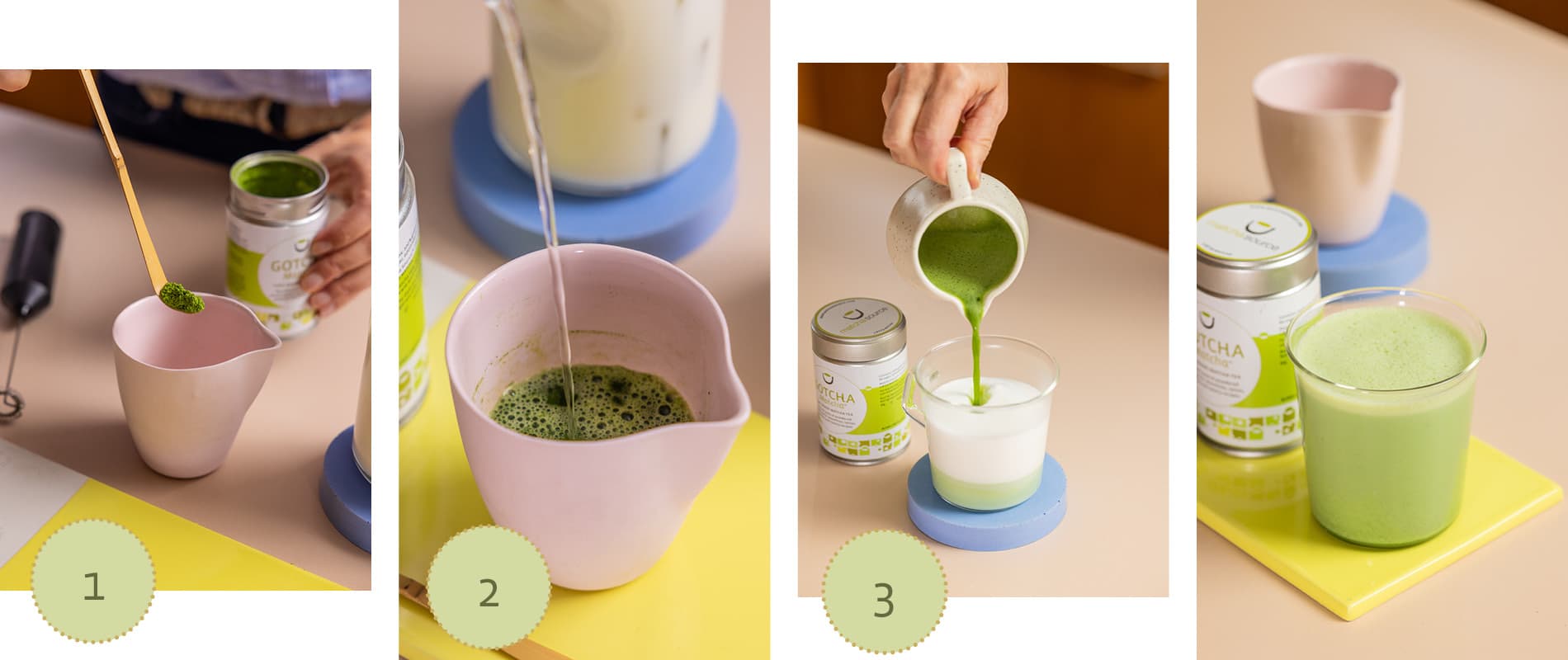
- Understanding the biochemical properties of matcha powder is essential for optimizing extraction and flavor profile.
- The precise temperature and method of water integration critically influence the solubility of catechins and amino acids.
- Milk selection and texturing techniques affect not only mouthfeel but also the stability and sensory perception of the latte.
- Equipment calibration and powder-to-liquid ratios must be standardized to ensure consistency across divergent preparation methods.
- Scientific approaches to emulsion formation between matcha compounds and milk components enhance the overall drinking experience and nutritional retention.
Matcha, a finely ground powder derived from shade-grown green tea leaves, exhibits complex chemical and physical properties that diverge significantly from traditional leaf teas. Its preparation in the form of a latte—a homogenized beverage combining matcha with milk—requires a methodical approach grounded in an understanding of extraction kinetics, solubility, and emulsion science. This article provides an analytical framework to comprehend and optimize the process of creating a matcha latte, focusing on the interplay of variables that affect flavor, texture, nutritional content, and consumer satisfaction.
The Chemical and Physical Properties of Matcha Powder
Composition and Quality Indicators
Matcha powder predominantly consists of ground tencha leaves, which have been shaded prior to harvesting to alter chlorophyll and amino acid levels in the leaf matrix. This shading process leads to enhanced concentrations of theanine—an amino acid responsible for umami taste—and antioxidants such as epigallocatechin gallate (EGCG). The particle size distribution of matcha powder, typically below 20 microns, significantly affects dissolution rates and mouthfeel. High-grade matcha exhibits uniform particle morphology with minimal fibrous content, thereby maximizing surface area for extraction while minimizing sediment.
Impact on Extraction Dynamics
The powdered nature of matcha fundamentally changes extraction dynamics compared to steeped leaf teas. Rather than diffusion from leaves to water, matcha preparation involves suspension and partial dissolution, influenced by solvent composition, temperature, and agitation. Water temperature above 80°C accelerates extraction of polyphenols but risks increased bitterness due to tannin solubilization. Conversely, suboptimal temperatures yield a deficient extraction of flavor-active compounds. Optimizing solvent parameters is thus critical to balance flavor, antioxidant retention, and astringency.
Technical Parameters in Matcha Latte Preparation
Water Temperature and Dissolution Technique
The role of water temperature in matcha latte preparation is twofold: it affects the solubility of desirable compounds and facilitates adequate dispersion of powder particles. Empirical studies suggest that water heated between 70°C and 80°C maximizes balance between catechin extraction and amino acid preservation. The execution technique, often involving rapid whisking with bamboo or metal whisks at high frequency, introduces microbubbles which improve suspension stability and homogenize the mixture. Usage of ultrasonic homogenizers has also been explored for industrial scale production to enhance uniformity.
Milk Selection and Texturing Methodologies
Milk serves as both a flavoring and structural agent in the matcha latte matrix. Dairy milk and plant-based alternatives (soy, oat, almond) differ substantially in protein composition, fat content, and emulsifying properties, each influencing the latte's rheology. Heat-induced denaturation of milk proteins, particularly casein, aids in creating stable emulsions with polyphenolic compounds. Optimal steaming temperatures, typically near 60-65°C, prevent lactose caramelization and protein breakdown, both of which can alter flavor profiles negatively. The creation of microfoam is achieved through precise steaming pressure and supersaturation control, imparting a desirable creamy mouthfeel and visual appeal.
Standardization and Quality Control in Preparation
Ratio Consistency and Measurement Accuracy
Achieving reproducibility across different batches of matcha latte necessitates stringent control of ingredient ratios. The concentration of matcha powder to liquid (water plus milk) typically ranges from 1 to 2 grams per 150 to 200 ml of liquid. Overconcentration leads to undesirable bitterness and sedimentation, while under-dosing attenuates the characteristic flavor and reduces antioxidant content. Precise pre-weighing and volumetric measurement tools are recommended, especially in commercial contexts, to minimize variance due to human error.
Equipment and Process Calibration
Consistency in matcha latte production depends heavily on equipment maintenance and calibration. Whisks (chasen or mechanical alternatives) must be monitored for wear that affects emulsification efficiency. Steaming devices require regular assessments of boiler pressure and temperature sensors to maintain the narrow thermal window critical for milk protein integrity. Additionally, water quality parameters—such as mineral content and pH—impact extraction and beverage stability, thus reverse osmosis or filtered water is considered optimal in precision brewing setups.
Scientific Considerations of Emulsion Stability and Bioavailability
Interaction of Polyphenols and Milk Proteins
The formation of stable colloidal suspensions within a matcha latte is a complex interplay of tea catechins and milk proteins. Caseins can bind polyphenols through hydrophobic and hydrogen bonding interactions, which modulates the bioavailability of antioxidants. Recent proteomic analyses indicate that these interactions may reduce the immediate radical scavenging activity but improve the delivery of compounds during gastrointestinal digestion. Optimization of protein and polyphenol ratios, therefore, is essential both for sensory quality and nutritional efficacy.
Impact on Nutritional and Sensory Attributes
The emulsification and matrix structure established during preparation influence not only mouthfeel but also the release kinetics of key bioactive compounds. Microfoam and particle dispersion affect flavor release and perception thresholds for bitterness and sweetness. Moreover, higher fat content in milk variants promotes solubilization of lipophilic antioxidants but may mask subtle flavor notes intrinsic to matcha. Understanding these physicochemical interactions enables modification of preparation techniques to target specific consumer preferences or health benefits.
Expert Analysis & FAQ
Q1: How does particle size distribution of matcha powder influence the final latte quality?
A finer particle size increases the surface area available for extraction, enhancing flavor and nutrient release. However, excessively small particles risk sedimentation and contribute to a gritty texture. Empirical studies suggest an optimal range where particles are below 20 microns but retain some structural integrity to maintain suspension stability.
Q2: What is the ideal water temperature for balancing taste and antioxidant preservation in matcha latte preparation?
Water temperatures between 70°C and 80°C have been shown to optimize the extraction of amino acids like theanine and reduce tannin-related bitterness. Temperatures above 80°C accelerate polyphenol release but can lead to increased bitterness and degradation of thermolabile compounds. Adjusting temperature within this window is crucial depending on powder grade and intended sensory profile.
Q3: How do different milk types chemically interact with matcha powder?
Dairy milk proteins, especially casein, form complexes with catechins that affect antioxidant bioavailability and beverage stability. Plant-based milks vary in protein and fat composition, influencing emulsion formation and flavor retention differently. For example, soy milk proteins interact similarly to casein, while oat or almond milk may require additives or modified steaming parameters to achieve comparable texture and stability.
Q4: Can technological advancements improve matcha latte preparation at scale?
Yes, mechanized whisking devices, ultrasonic homogenizers, and precision thermal controls have been introduced in industrial settings to standardize quality and increase throughput. Furthermore, development of stabilized matcha formulations with optimized particle size and moisture content can reduce batch variability and enhance shelf life, meeting the demands of global commercial production.



-01K7R461YA6X0ERK9PHE4062CT.webp&w=1920&q=75)

