Embracing Ceremonial Grade Matcha: Sip Serenity Today
Nghia Tran
January 23, 2026 • 6 min read
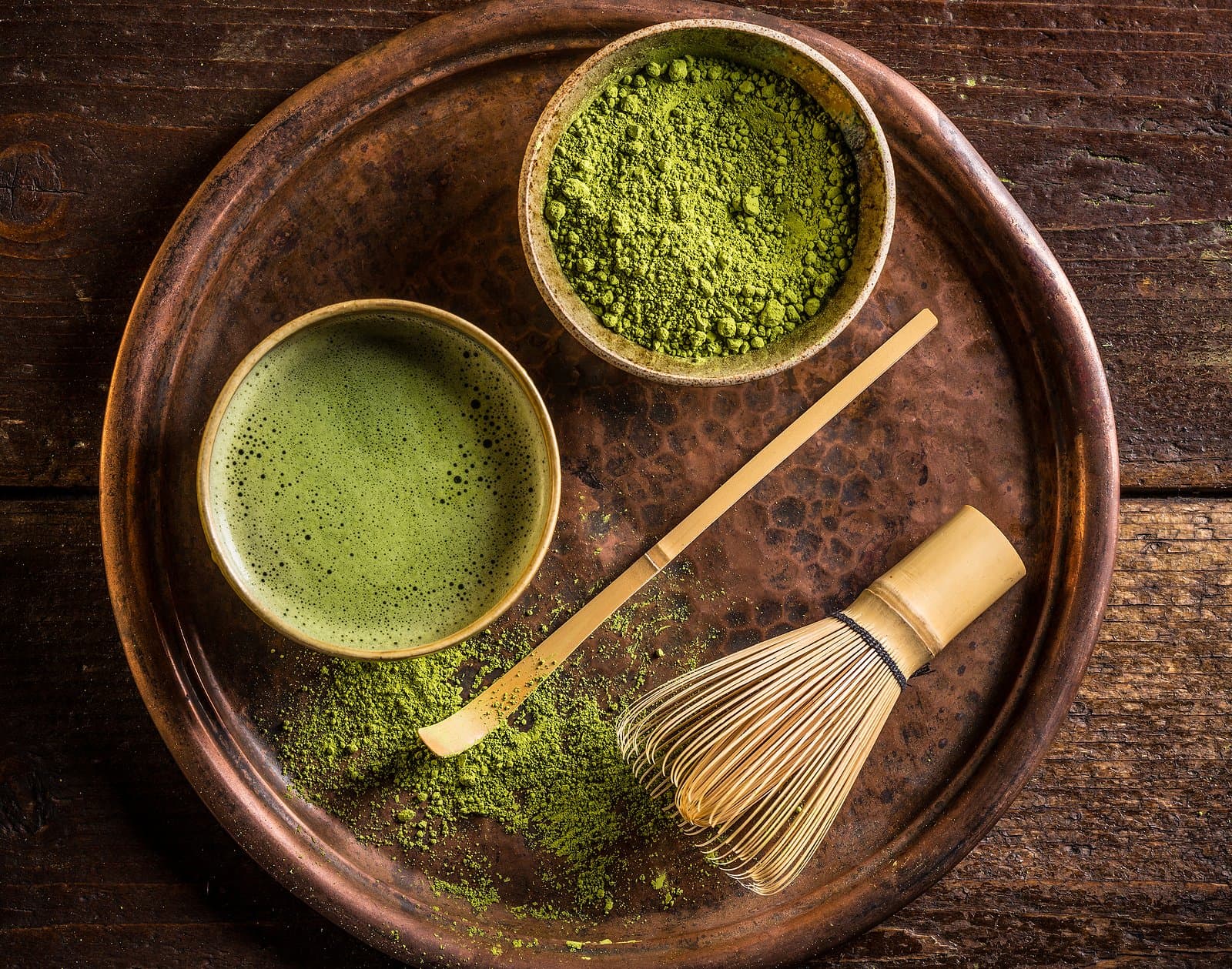
- Ceremonial grade matcha is distinguished by its cultivation, harvesting, and processing methods, which optimize the biochemical composition for superior quality and health benefits.
- The complex interplay of chlorophyll, amino acids (notably L-theanine), and catechins accounts for its unique sensory profile and functional properties.
- Scientific studies demonstrate the neuroprotective and antioxidative effects of ceremonial grade matcha, highlighting its potential role in preventive health paradigms.
- Industry trends indicate a shift toward premiumization, traceability, and sustainable cultivation practices in ceremonial matcha production.
- Consumer demand is increasingly driven by informed choices based on authenticity, geographical origin, and biochemical quality markers.
The consumption of ceremonial grade matcha represents both an ancient cultural practice and a contemporary subject of scientific inquiry. This form of finely ground green tea powder is typically harvested from the youngest leaves of the Camellia sinensis plant, cultivated under specialized conditions. The result is a product that exhibits a high concentration of key phytochemicals, notably chlorophyll, L-theanine, and epigallocatechin gallate (EGCG), which jointly influence its sensory attributes and health-promoting properties. Understanding the technical dimensions of ceremonial grade matcha necessitates an examination of its agronomic foundations, processing methodologies, biochemical characteristics, and the broader market dynamics that frame its global industry.
Production Methodologies of Ceremonial Grade Matcha
Agricultural Practices and Environmental Control
Cultivation of ceremonial grade matcha involves precise agronomic interventions aimed at maximizing leaf quality. Typically, tea plants destined for matcha production are shaded 3 to 4 weeks prior to harvest. This shading process increases chlorophyll synthesis and amino acid concentration while suppressing catechin accumulation, reducing bitterness and promoting umami flavor. Soil composition, altitude, and microclimate also significantly affect the phytochemical profile. Regions with well-drained, mineral-rich soil and moderate temperatures tend to yield leaves with higher concentrations of L-theanine and chlorophyll, forming the biochemical basis of ceremonial grade classification.
Harvesting and Post-Harvest Processing
The timing and method of harvest critically influence the quality of ceremonial grade matcha. Young, tender leaves from the first or second flush in spring are preferred, as they exhibit elevated amino acid content and diminished tannins. Post-harvest, leaves are rapidly steamed to halt enzymatic oxidation (preventing fermentation), a crucial step that preserves green coloration and nutrient integrity. Subsequent drying is executed under controlled conditions to minimize moisture content without degrading sensitive compounds. The dried leaves, known as tencha, undergo deveining and destemming before milling. The grinding uses granite stone mills operating at low speeds, producing an ultrafine powder essential for the texture and suspension characteristics desired in ceremonial grade matcha.
Biochemical Composition and Functional Implications
Key Phytochemicals and Their Roles
The biochemical profile of ceremonial grade matcha delineates it from other green tea products. Principal components include chlorophyll, catechins (especially EGCG), caffeine, and the amino acid L-theanine. Chlorophyll imparts the vivid green color and has been correlated with antioxidant capacities. Catechins, a subclass of polyphenols, contribute antioxidative and anti-inflammatory effects, although excessive presence may increase bitterness. L-theanine plays a pivotal role in modulating the central nervous system by promoting alpha brain wave activity and attenuating caffeine-induced jitters, which results in a calm but alert mental state. The synergistic effect of these compounds underscores matcha's distinctive taste and potential neurocognitive benefits.
Health-Related Biochemical Interactions
Numerous in vitro and in vivo studies have examined the health implications of matcha consumption. EGCG, the most abundant catechin in matcha, exhibits significant antioxidative and anti-carcinogenic properties through modulation of reactive oxygen species and gene expression pathways. L-theanine contributes anxiolytic and cognitive-enhancing effects by influencing neurotransmitters such as GABA, dopamine, and serotonin. Furthermore, the unique combination of caffeine and L-theanine engenders enhanced focus and sustained attention without typical caffeine-associated side effects. Emerging research also suggests ceremonial grade matcha's role in metabolic regulation, cardiovascular health, and neuroprotection, although clinical data remain preliminary and warrant further randomized controlled trials.
Market Dynamics and Industry Trends
Premiumization and Traceability Challenges
The global ceremonial grade matcha market reflects increasing consumer sophistication, characterized by demand for authentic, high-quality products. Premiumization drives producers to emphasize terroir, cultivation transparency, and organic certifications, which serve as differentiators in an expanding yet competitive marketplace. Traceability challenges persist due to blending practices and variable nomenclature standards, complicating consumer ability to verify authenticity. Technologies such as DNA barcoding, chromatographic fingerprinting, and isotopic analysis are being explored to establish provenance assurance and quality control frameworks essential for maintaining premium positioning and consumer trust.
Sustainability and Ethical Production Considerations
Environmental sustainability concerns are progressively shaping ceremonial grade matcha production. Traditional shading techniques, water resource management, and pesticide reduction practices are being optimized to lower ecological impact. Fair labor practices and community engagement in producer regions also form critical pillars in the industry's evolving ethical standards. Sustainable certifications serve dual purposes by providing market advantage and reinforcing consumer confidence in the social and environmental credentials of ceremonial grade matcha products.
Expert Analysis & FAQ
What distinguishes ceremonial grade matcha from culinary grade at a molecular level?
Ceremonial grade matcha excels in elevated levels of L-theanine and chlorophyll due to specific shading and harvesting protocols, while maintaining a balanced catechin profile that minimizes bitterness. In contrast, culinary grades are harvested later or from older leaves with higher catechin concentrations, resulting in more astringent flavor and reduced bioactive amino acids. The molecular difference fundamentally arises from the biochemical modulation induced by varied agronomic and post-harvest treatments.
How does shading impact the chemical profile of ceremonial grade matcha?
Shading teas 3-4 weeks before harvest decreases photosynthetic light intensity, prompting the plant to increase chlorophyll production for optimized light absorption, turning leaves a deep green. Simultaneously, shading raises L-theanine levels by slowing degradation pathways and inhibits catechin synthesis, which reduces bitterness. This environmental manipulation optimizes the sensory and functional properties distinctive to ceremonial grade matcha.
Which analytical techniques are best suited for quality control in ceremonial grade matcha?
Robust quality control employs high-performance liquid chromatography (HPLC) for polyphenol and caffeine quantification, spectrophotometric assays for chlorophyll content, and mass spectrometry for amino acid profiling. Emerging methods include nuclear magnetic resonance (NMR) and DNA barcoding to authenticate cultivar and geographic origin. These technologies collectively ensure chemical consistency, safety, and traceability of ceremonial grade matcha.
What are the neurocognitive implications of consuming ceremonial grade matcha compared to regular green tea?
The combination of caffeine and L-theanine in ceremonial grade matcha produces a unique neurocognitive effect not typically observed in brewed green tea, where caffeine acts alone. L-theanine facilitates an increase in alpha wave generation, promoting relaxation without sedation, while caffeine enhances alertness. This synergy results in improved attention, memory, and mood stabilization, positioning matcha as a functional nutraceutical with potential benefits for concentration and stress reduction.


