Matcha vs. Green Tea: Which is the Superior Brew?
Nghia Tran
January 23, 2026 • 6 min read
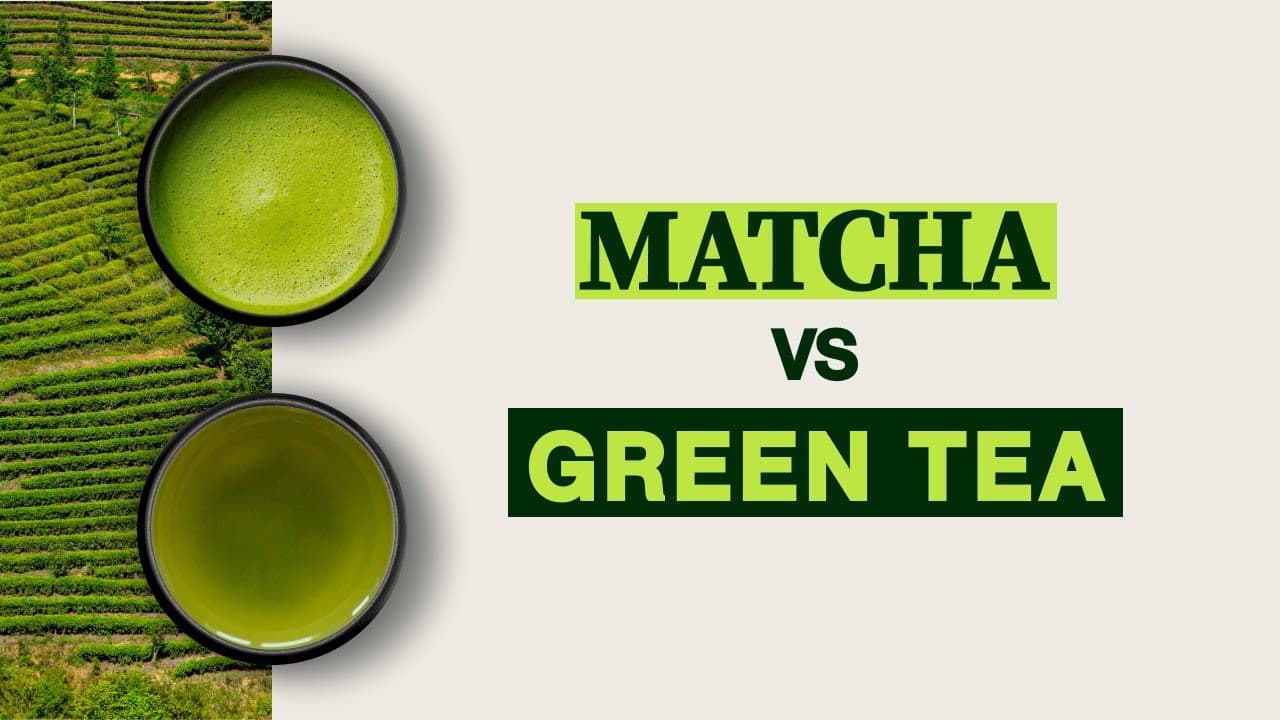
- Matcha presents a higher concentration of bioactive compounds than traditional green tea due to its unique cultivation and processing methodologies.
- The biochemical profiles of matcha and green tea impact their respective health benefits, flavor characteristics, and market positioning significantly.
- Production techniques and genetic varietals distinctly influence the chemical composition and organoleptic qualities, making direct quality comparisons complex.
- Consumer preferences are shaped by factors including preparation convenience, cultural associations, and perceived health efficacy, driving differentiated demand across global markets.
- Both matcha and green tea represent vital segments within the global tea industry requiring nuanced supply chain and marketing strategies for optimal positioning.
Within the expansive category of Camellia sinensis-derived beverages, matcha and green tea represent distinct products differentiated primarily by their cultivation, processing, and consumption protocols. Although both originate from the same plant species, the organoleptic and biochemical dissimilarities between them have elicited considerable debate within both academic and commercial domains regarding which constitutes a superior brew. This editorial undertakes a comprehensive comparative analysis based on agronomy, phytochemistry, sensory attributes, and health-related outcomes, thereby furnishing a data-driven perspective on the matcha versus green tea dichotomy.
Agronomic and Processing Distinctions
Shade-Grown Cultivation vs. Open-Field Growth
The cultivation practices for matcha and conventional green tea diverge considerably, fundamentally impacting their subsequent chemical profiles. Matcha is cultivated under controlled shade conditions, typically for approximately three to four weeks prior to harvest. This etiolation process prompts an upregulation of chlorophyll and amino acid synthesis, particularly L-theanine, which is critical in imparting matcha's characteristic umami flavor and vibrant green coloration. Conversely, green tea leaves used for traditional infusions generally undergo open-air cultivation, exposing them to full-spectrum solar radiation and thereby augmenting polyphenol accumulation, specifically catechins, but with comparatively reduced amino acid content.
Post-Harvest Processing Procedures
The processing methods yield further divergence in final product composition. Matcha involves steaming, drying, and subsequent stone-grinding of entire leaves into a fine powder. This whole-leaf consumption pattern ensures maximal nutrient retention and bioavailability. In contrast, green tea generally undergoes steaming or pan-firing followed by leaf rolling and drying, producing intact leaves or broken leaf fractions intended for infusion. The steeping process extracts a subset of phytochemicals, resulting in a less concentrated profile relative to powdered matcha.
Biochemical Composition and Health Implications
Polyphenols, Amino Acids, and Caffeine Concentration
Quantitative analyses demonstrate that matcha contains substantially higher concentrations of catechins, notably epigallocatechin gallate (EGCG), compared to conventional green tea infusions. The augmentation in amino acid content, especially L-theanine, synergizes with caffeine to modulate neurocognitive effects, promoting enhanced attentional capacity and relaxation with reduced jitteriness. The simultaneous ingestion of all leaf-derived compounds in matcha contrasts with the partial extraction in brewed green tea, resulting in a differential pharmacokinetic profile. Moreover, matcha typically contains approximately three times the caffeine level of a comparable serving of brewed green tea, necessitating consideration in consumption guidelines.
Health Outcomes Supported by Empirical Research
Extensive research has investigated the health-related properties of green tea polyphenols, linking their antioxidant, anti-inflammatory, and metabolic regulatory functions to potential benefits in cardiovascular health, cancer chemoprevention, and neuroprotection. Matcha's concentrated composition suggests amplified efficacy; however, clinical evidence remains nascent due to variability in dosages and bioavailability metrics across studies. Furthermore, the L-theanine-to-caffeine ratio unique to matcha may account for differential cognitive and mood effects relative to traditional green tea. It is imperative for future investigations to standardize intervention protocols to elucidate these discrete health impacts conclusively.
Sensory Characteristics and Consumer Preferences
Organoleptic Profiles
From a sensory perspective, matcha exhibits a dense umami flavor accompanied by vegetal sweetness and astringency, attributable primarily to its elevated amino acid and catechin content. The fine powder form contributes to a unique mouthfeel and brightness of the brew's color, factors that influence consumer perception and ritualistic consumption patterns. Contrastingly, brewed green tea typically presents lighter, more tannic notes with variable bitterness contingent upon leaf grade and infusion parameters.
Market Demand and Cultural Associations
Consumer demand for matcha has increased globally due to its perceived health benefits and versatility in culinary applications beyond traditional tea consumption, such as in beverages and confectioneries. Cultural heritage and ceremonial significance primarily associate matcha with Japanese traditions, while green tea's commercial footprint is more geographically diffuse, spanning China, India, and other tea-producing nations. These distinctions carry implications for global supply chains, requiring manufacturers and marketers to tailor strategies accordingly, emphasizing quality certifications, provenance, and product innovation.
Production, Sustainability, and Industry Considerations
Supply Chain Complexities and Quality Control
Ensuring quality and authenticity in matcha production involves rigorous control over shading periods, leaf selection, and grinding techniques. Contaminant monitoring, such as for pesticides or heavy metals, remains a critical concern given the powder's concentrated nature and ingestion of entire leaf material. Green tea production, while less processing-intensive, necessitates standardization in harvesting time and oxidation control to maintain quality consistency across diverse cultivars and terroirs. Both products face challenges related to traceability and counterfeit detection within rapidly expanding markets.
Environmental Impacts and Sustainability Practices
The cultivation of shade-grown matcha plants may contribute to specific ecological considerations, including energy input for shading infrastructures and water consumption. Conversely, green tea farming often involves large-scale monoculture plantations that can impact soil health and biodiversity. Industry stakeholders increasingly integrate sustainable agricultural practices such as organic farming, integrated pest management, and certification standards to mitigate environmental footprints. Lifecycle assessments remain crucial to quantifying and improving sustainability metrics for both matcha and green tea production.
Expert Analysis & FAQ
Q1: How does the increased consumption of whole leaf in matcha affect nutrient bioavailability compared to brewed green tea?
The consumption of whole leaves in matcha significantly enhances nutrient bioavailability as the entire spectrum of phytochemicals—including catechins, amino acids, vitamins, and minerals—is ingested directly, rather than in diluted infusion form. This facilitates higher plasma concentrations of bioactive compounds post-consumption, potentially augmenting physiological effects. However, absorption kinetics are also influenced by factors such as matrix interactions and individual metabolism.
Q2: Can matcha's higher caffeine content pose health risks compared to green tea?
While matcha contains elevated caffeine levels—approximately 2–3 times that of brewed green tea—the presence of L-theanine moderates the stimulatory effects, promoting a more balanced neurophysiological response. Nevertheless, excessive intake may elicit adverse reactions such as insomnia, tachycardia, or gastrointestinal discomfort in sensitive individuals. Therefore, consumption moderation is advised, especially among populations with caffeine sensitivity.
Q3: What are the critical factors affecting the taste variability in matcha and green tea?
Taste variability stems from agronomic parameters such as cultivar genetics, soil composition, shading duration (for matcha), as well as harvest timing. Processing variables including steaming duration, oxidation control, and grinding particle size also modulate flavor profiles. Finally, preparation methods—e.g., water temperature and brewing time—impact catechin extraction and amino acid solubility, culminating in diverse sensory experiences.
Q4: How do sustainability initiatives differ between matcha and green tea production?
Sustainability initiatives for matcha focus on optimizing shading methods to reduce energy consumption and promoting organic cultivation to eliminate chemical inputs, given the whole-leaf ingestion risk. For green tea, efforts emphasize soil conservation, crop diversification, and water management due to extensive plantation scale. Certification schemes like organic, Rainforest Alliance, and Fair Trade programs are increasingly applied to both sectors to ensure responsible sourcing and environmental stewardship.


-01K7R461YA6X0ERK9PHE4062CT.webp&w=1920&q=75)