Hojicha: The Smoky Tea Trend Taking Over Cafés
Nghia Tran
February 6, 2026 • 6 min read
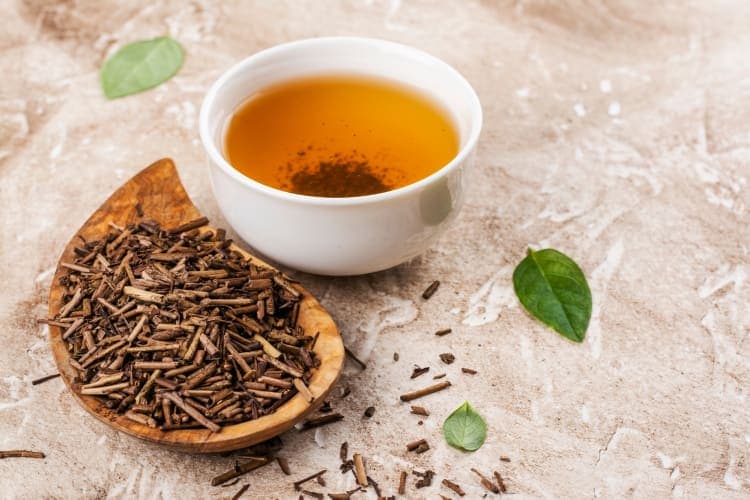
- Hojicha's roasting process fundamentally alters its chemical composition, distinguishing it from traditional green teas.
- The tea's low caffeine and unique flavor profile are driving global consumer interest and innovative product development.
- Integration of hojicha into specialty beverage menus reflects a broader shift toward diverse, umami-rich tea experiences worldwide.
- Scientific analysis reveals significant reductions in catechins with retention of beneficial amino acids, impacting both health properties and sensory attributes.
- Emerging supply chain considerations highlight the importance of high-quality leaf selection and roasting consistency as market demand increases.
Hojicha, a roasted green tea originating from Japan, has progressively gained traction beyond its native context, emerging as a prominent element within contemporary global tea culture and café menus. Unlike conventional green teas, hojicha undergoes a unique roasting process that imparts a signature smoky aroma and a distinctive brown hue. This roasting not only defines hojicha's sensory characteristics but also initiates complex chemical transformations, differentiating its market positioning both in flavor and health paradigms. The rising global popularity of hojicha underscores evolving consumer preferences toward novel taste profiles with functional benefits, reflecting broader trends toward tea diversification in the beverage industry.
Processing Techniques and Their Impact on Hojicha's Composition
The Roasting Methodology
Hojicha production commences with the selection of tea leaves, typically bancha or sometimes sencha, which are then roasted at elevated temperatures ranging between 150–200°C. This thermal treatment fundamentally differentiates the tea from steamed Japanese green teas by inducing Maillard reactions and pyrolysis within leaf compounds. The process results in a color shift toward reddish-brown tones and the development of characteristic smoky and caramelized flavor notes. Unlike traditional steaming, roasting reduces moisture content and alters volatilized compounds responsible for aroma, yielding a sensory profile with low astringency and a smoother mouthfeel.
Chemical Transformations During Roasting
Scientific analysis reveals that the roasting process significantly modifies the phytochemical composition of hojicha. The high-temperature exposure degrades catechins, especially epigallocatechin gallate (EGCG), thereby diminishing the tea's bitterness and antioxidant potency relative to unprocessed green teas. Conversely, amino acids such as theanine exhibit partial retention, supporting a retained umami presence despite thermal stress. Additionally, the generation of volatile pyrolysis products introduces smoky aldehydes and ketones, contributing to the tea's unique aromatic complexity. The reduction in caffeine content—typically half that of sencha—further differentiates hojicha, aligning with consumption patterns favoring mild stimulants.
Global Market Trends and Consumer Dynamics
Rising International Demand
Recent market data indicate a pronounced expansion of hojicha consumption beyond Japan, particularly in North America, Europe, and parts of Asia outside Japan. Several factors contribute to this growth: consumer inclination toward artisanal and craft beverages, demand for low-caffeine alternatives, and appreciation for profound flavor nuance. The surge in specialty cafés incorporating hojicha into both traditional brews and innovative formats signals a shifting beverage landscape. This trend is augmented by social media and culinary influencers popularizing hojicha-based lattes, desserts, and cold brews, thereby facilitating mainstream adoption.
Product Innovation and Diversification
In response to the expanding lojicha market, manufacturers and cafés are experimenting with product formulations and delivery systems. These include instant hojicha powders, hojicha-infused confectionery, and mixology applications combining hojicha with dairy, plant-based milks, or spirits. The versatility stems from the tea's adaptable organoleptic properties and its compatibility with both hot and cold preparations. Furthermore, collaborations within the food and beverage sectors explore functional blends targeting health-conscious demographics, leveraging hojicha's moderate antioxidant profile and reduced caffeine levels. This innovation contributes to the segment's ongoing commercial vitality.
Supply Chain and Quality Control Challenges
Raw Material Selection and Leaf Quality
The quality and type of tea leaves used for hojicha production play a critical role in the final product characteristics. Typically, mature leaves such as bancha are preferred due to their lower cost and structural integrity suitable for roasting. Nonetheless, variations in leaf cultivar, harvest time, and agricultural practices directly influence chemical precursors essential for roasting reactions. Ensuring consistent leaf quality necessitates rigorous agronomic controls and traceability protocols, especially as demand scales internationally. Variability can lead to discrepancies in flavor intensity, smokiness, and antioxidant content, affecting both consumer satisfaction and brand reliability.
Roasting Precision and Standardization
Achieving product consistency demands meticulous control over roasting parameters, including temperature profiles, duration, and airflow. Slight deviations in these parameters can result in over-roasting or insufficient thermal exposure, leading to undesirable burnt notes or incomplete flavor development. Advances in roasting technology and process monitoring, such as real-time temperature sensors and automated control systems, facilitate standardization at industrial scales. Such methodologies ensure reproducibility while maintaining the nuanced flavor balance characteristic of high-grade hojicha. Quality assurance protocols encompass sensory evaluation and chromatographic analyses to validate product integrity prior to market release.
Expert Analysis & FAQ
Q1: How does the roasting process specifically affect the antioxidant properties of hojicha compared to unroasted green teas?
The roasting process significantly reduces the concentration of heat-sensitive catechins, notably EGCG, which are major contributors to the antioxidant activity in green teas. Thermal degradation and Maillard reactions diminish these polyphenols, resulting in a lower measured antioxidant capacity in hojicha. However, some compounds generated during roasting, including certain melanoidins, may exhibit antioxidant effects, partially offsetting catechin loss. Consequently, the overall antioxidant profile of hojicha is distinct, reflecting a balance altered by roasting rather than a simple reduction.
Q2: What molecular changes during roasting contribute to hojicha's smoky aroma?
At a molecular level, the smoky aroma arises from volatile organic compounds formed through Maillard reactions and thermal decomposition of leaf constituents. Phenolic compounds, carbohydrates, and amino acids under high temperature react to form furans, pyrazines, and aldehydes, which confer caramelized and roasted notes. Phenolic degradation also releases volatile phenol derivatives contributing to the smoky sensory perception. These changes occur within the roasting temperature range (150–200°C) and are crucial for establishing the tea's characteristic aromatic profile.
Q3: Given the lower caffeine content in hojicha, how does this influence its consumption patterns globally?
Hojicha's reduced caffeine content—typically approximately 7–20 mg per cup compared to 30–50 mg in sencha—renders it an attractive option for consumers seeking mild stimulants or late-day consumption without disrupting sleep. This pharmacological aspect broadens the demographic reach, encompassing elderly populations, pregnant individuals, and caffeine-sensitive consumers. Global consumption patterns reflect a preference for beverage versatility and health considerations, situating hojicha as both a functional and sensory alternative within expanding specialty tea markets.
Q4: What are the main challenges in scaling up hojicha production for international markets?
Scaling production entails logistical complexities, including consistent raw material sourcing amid variable agricultural outputs, maintaining roasting uniformity at industrial volumes, and ensuring compliance with diverse food safety standards internationally. Additionally, adapting packaging and shelf-life considerations for export markets requires stabilization of flavor and aroma compounds. Overcoming these challenges necessitates integrated supply chain management, investment in advanced roasting technology, and collaborative quality control frameworks that preserve hojicha's authentic sensory attributes while meeting global market demands.


