Matcha: Enhancing or Hindering Iron Absorption?
Nghia Tran
January 23, 2026 • 6 min read
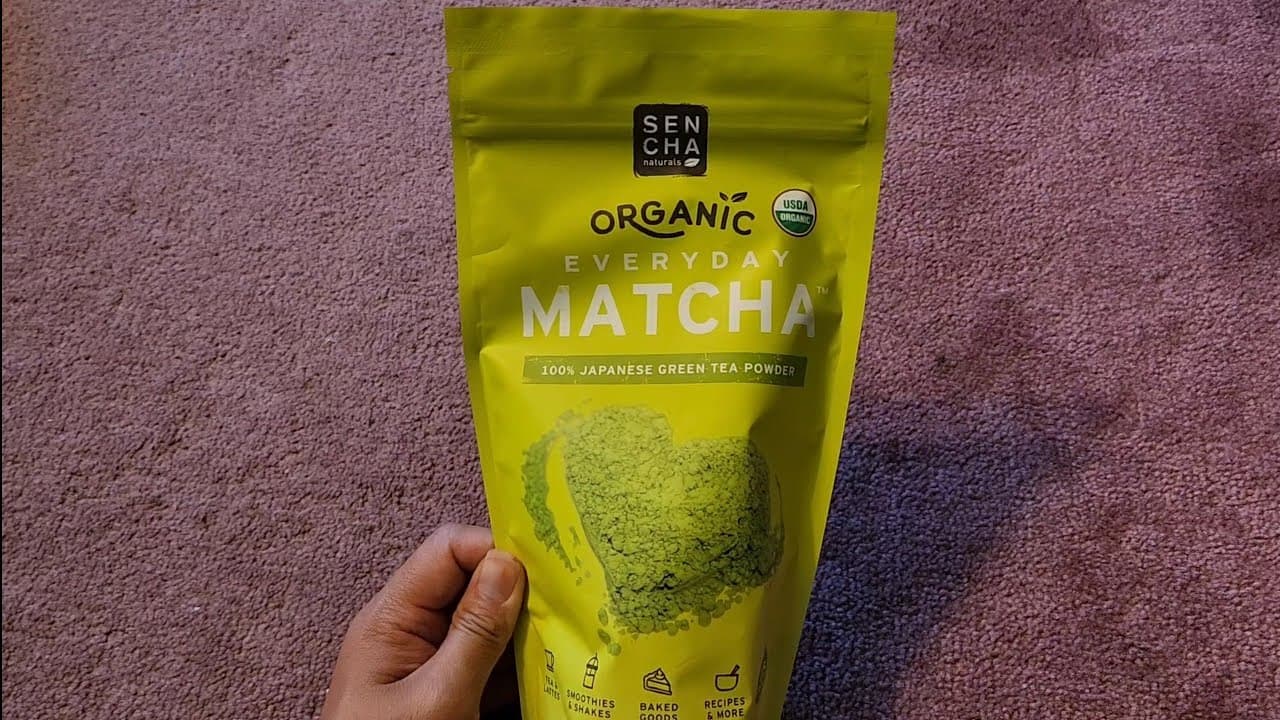
- Polyphenolic compounds in matcha, notably catechins, can inhibit non-heme iron absorption through iron chelation, impacting bioavailability negatively.
- Despite inhibitory effects on iron uptake, matcha's high antioxidant content may indirectly support mineral metabolism via reduction of oxidative stress.
- Preparation timing and meal composition strategies can mitigate matcha's inhibitory effects on iron absorption in dietary contexts.
- Emerging research underscores the distinction between heme and non-heme iron, with matcha primarily affecting only the latter.
- Integrating matcha thoughtfully into diets, particularly for populations at risk of iron deficiency, requires nuanced understanding of interrelated nutritional interactions.
Matcha, a finely ground green tea powder derived from Camellia sinensis leaves, occupies a distinctive position in the functional beverage industry owing to its concentrated profile of bioactive compounds. Its growing global consumption, fueled by purported health benefits, prompts a critical examination of its interactions with essential nutrients, particularly iron. Iron bioavailability remains a pivotal concern in public health due to widespread iron deficiency anemia and the intricate modulation of iron absorption by dietary components. This editorial systematically evaluates the influence of matcha on iron absorption, disaggregating biochemical mechanisms, clinical implications, and practical dietary considerations that govern this interaction.
Biochemical Interactions Between Matcha Constituents and Iron Absorption
Polyphenols and Their Chelating Effects
The capacity of polyphenolic compounds to complex dietary minerals constitutes a foundational biochemical interaction with significant nutritional repercussions. Matcha is notably abundant in catechins—epigallocatechin gallate (EGCG), epicatechin, epicatechin gallate, and epigallocatechin—potent polyphenols with high affinity for metal ions. These molecules chelate non-heme iron in the gastrointestinal milieu, forming insoluble complexes that reduce intestinal uptake. The chelation process preferentially targets ferric (Fe3+) iron, which is predominant in plant-based foods, as opposed to heme iron from animal sources that is absorbed via a distinct mechanism less susceptible to inhibition by polyphenols. The formation of these complexes effectively decreases iron solubility, impairing its availability to enterocytes of the duodenum and jejunum.
Distinction Between Heme and Non-Heme Iron Absorption
Understanding matcha's impact necessitates delineating the divergent pathways of heme and non-heme iron absorption. Non-heme iron, sourced primarily from plant foods, must be reduced from ferric to ferrous (Fe2+) state before transport via divalent metal transporter 1 (DMT1) into enterocytes. Polyphenol-containing beverages like matcha interfere by chelating ferric iron, limiting both reduction and absorption efficiency. Conversely, heme iron, found in animal products, is absorbed intact through a heme carrier protein 1 (HCP1), a process largely resistant to dietary inhibitors including polyphenols. Therefore, individuals relying predominantly on non-heme iron sources may experience greater susceptibility to reduced iron absorption when consuming matcha concurrently with meals.
Clinical Evidence and Nutritional Implications
Empirical Findings on Iron Status and Tea Consumption
Multiple controlled trials have quantitatively assessed the inhibitory impact of tea polyphenols on iron absorption. Meta-analyses report an approximate 60-70% decrease in non-heme iron absorption when tea is consumed during or immediately before iron-rich meals, with catechin concentration correlating with inhibitory magnitude. While direct studies on matcha specifically remain limited, its elevated polyphenol concentration compared to traditional brewed green tea suggests a potentially stronger effect. Studies in populations with marginal iron status indicate that habitual tea consumption may exacerbate or contribute to iron deficiency anemia, underscoring the clinical relevance in vulnerable cohorts such as premenopausal women, infants, and individuals with existing iron deficiency.
Antioxidant Properties and Indirect Influences on Iron Metabolism
Contrasting the inhibitory role of polyphenols on iron absorption, their antioxidative activity may exert protective effects on iron metabolism and overall health. Oxidative stress accelerates the degradation of iron-containing proteins and influences hepcidin expression, a hepatic hormone centrally regulating iron homeostasis. Matcha's antioxidant constituents, including catechins and chlorophyll, may modulate inflammatory states and oxidative processes, potentially contributing to a more balanced iron regulatory environment. This paradox highlights the complexity of matcha's nutritional profile, where deleterious and beneficial effects coexist, necessitating a holistic evaluation of net impact on iron status.
Practical Considerations for Optimizing Iron Absorption in Matcha Consumers
Timing and Dietary Strategies
Mitigating the inhibitory influence of matcha on iron absorption involves strategic timing and dietary configuration. Evidence suggests that consuming matcha at least one hour before or after iron-rich meals substantially reduces interference. Additionally, simultaneous ingestion of ascorbic acid (vitamin C) ameliorates polyphenol-induced inhibition by reducing iron to its more absorbable ferrous state and disrupting chelation complexes. Dietitians recommend incorporating vitamin C-rich foods such as citrus fruits, bell peppers, or tomatoes alongside plant-based iron sources to optimize bioavailability amidst matcha consumption.
Population-Specific Recommendations and Supplementation Considerations
Individuals at high risk of iron deficiency should assess their matcha intake within the broader context of their iron status and dietary sources. Clinicians and nutrition professionals must recognize that while matcha harbors health-promoting polyphenols, excessive or poorly timed consumption could compromise iron repletion efforts, especially in vegetarian or vegan populations reliant on non-heme iron. In such cases, iron supplementation or fortified foods may be necessary adjuncts. Moreover, ongoing monitoring of iron biomarkers—serum ferritin, transferrin saturation, and hemoglobin—guides personalized recommendations regarding matcha consumption frequency and meal pairing.
Expert Analysis & FAQ
Does matcha inhibit the absorption of all forms of dietary iron equally?
Matcha's inhibitory effects predominantly target non-heme iron, which is susceptible to polyphenol chelation. Heme iron absorption, mediated by distinct transporters, is less influenced by polyphenols in matcha. Therefore, matcha's interference is more significant in diets with limited animal protein sources and heavy reliance on plant-based iron.
Can the timing of matcha consumption completely negate its inhibitory impact on iron absorption?
While timing significantly attenuates matcha's inhibitory effects, complete negation is context-dependent. Consuming matcha at least an hour apart from iron-rich meals diminishes the potential for interaction. However, chronic consumption patterns and cumulative polyphenol exposure may still influence iron status, necessitating individualized dietary planning.
Are there any benefits of matcha consumption that counterbalance its negative effects on iron absorption?
Yes, matcha's high antioxidant content may reduce systemic oxidative stress and inflammation, factors indirectly affecting iron metabolism. These protective effects could theoretically support improved iron homeostasis and long-term health, though this does not entirely offset the direct diminution of iron absorption caused by catechin chelation.
What dietary strategies can be employed to maximize iron bioavailability when consuming matcha?
Strategies include (1) separating matcha intake temporally from iron-rich meals, (2) increasing ascorbic acid consumption concurrently with non-heme iron, (3) ensuring adequate protein intake from animal sources to supply heme iron, and (4) monitoring iron status in susceptible populations. Integrative dietary planning considering these factors optimizes iron absorption while leveraging matcha's broader nutritional benefits.


-01K7R461YA6X0ERK9PHE4062CT.webp&w=1920&q=75)
