Matcha's Effect on Iron Absorption: What You Need to Know
Nghia Tran
February 6, 2026 • 7 min read
- Polyphenolic compounds in matcha significantly influence iron bioavailability by inhibiting non-heme iron absorption.
- The distinction between heme and non-heme iron absorption mechanisms is critical when evaluating matcha's nutritional impact.
- Consumption timing and food matrix composition modulate matcha's inhibitory effects on iron uptake.
- Scientific evidence highlights potential risks for populations with marginal iron status when consuming matcha concomitantly with iron-rich meals.
- Emerging research underscores the necessity for tailored dietary guidelines concerning matcha intake in relation to iron nutrition.
Matcha, a powdered form of finely ground green tea leaves, has experienced considerable growth in global markets due to its unique flavor profile and purported health benefits. Concurrently, concerns have emerged regarding the bioavailability of dietary iron when consumed alongside matcha-containing preparations. Iron, an essential micronutrient involved in oxygen transport, enzymatic processes, and cellular metabolism, exists in diet primarily as heme and non-heme forms. The interference of polyphenolic substances—abundant in matcha—on iron absorption presents complex biochemical interactions that bear significant implications for nutritional adequacy, particularly in vulnerable populations. This editorial presents a comprehensive, evidence-based examination of matcha's effect on iron absorption, elucidating mechanistic pathways, clinical data, and public health considerations relevant to nutritional science and the expanding global matcha industry.
Fundamental Iron Absorption Pathways and Their Nutritional Relevance
Distinction Between Heme and Non-Heme Iron
Iron bioavailability is critically dependent on its chemical form. Heme iron, predominantly sourced from animal tissues, is absorbed via receptor-mediated endocytosis within enterocytes, a process minimally influenced by dietary inhibitors. In contrast, non-heme iron—found abundantly in plant-derived foods and fortified products—undergoes a reduction from ferric (Fe3+) to ferrous (Fe2+) form before absorption by divalent metal transporter 1 (DMT1). This latter pathway is notably susceptible to modulation by food components such as polyphenols, phytates, and calcium. Globally, non-heme iron constitutes the majority of iron intake, particularly in vegetarian and lower-income populations, rendering its bioavailability paramount to nutritional status.
Physiological Regulation and Iron Homeostasis
Systemic iron homeostasis is tightly regulated at the intestinal absorption level, mediated by the hepatic hormone hepcidin, which governs ferroportin activity on enterocyte basolateral membranes. Iron absorption efficiency is influenced by body iron stores, erythropoietic demand, and hypoxic status. Notably, dietary inhibitors, including those found in matcha, can exacerbate poor iron status by decreasing bioavailable iron, often without immediate symptomatic manifestation. Understanding the interaction between dietary compounds in matcha and molecular regulators like hepcidin is essential to contextualize its impact within physiological iron assimilation frameworks.
Polyphenolic Compounds in Matcha and Their Mechanistic Impact on Iron Absorption
Catechins and Tannins: Chemical Characteristics and Iron Chelation
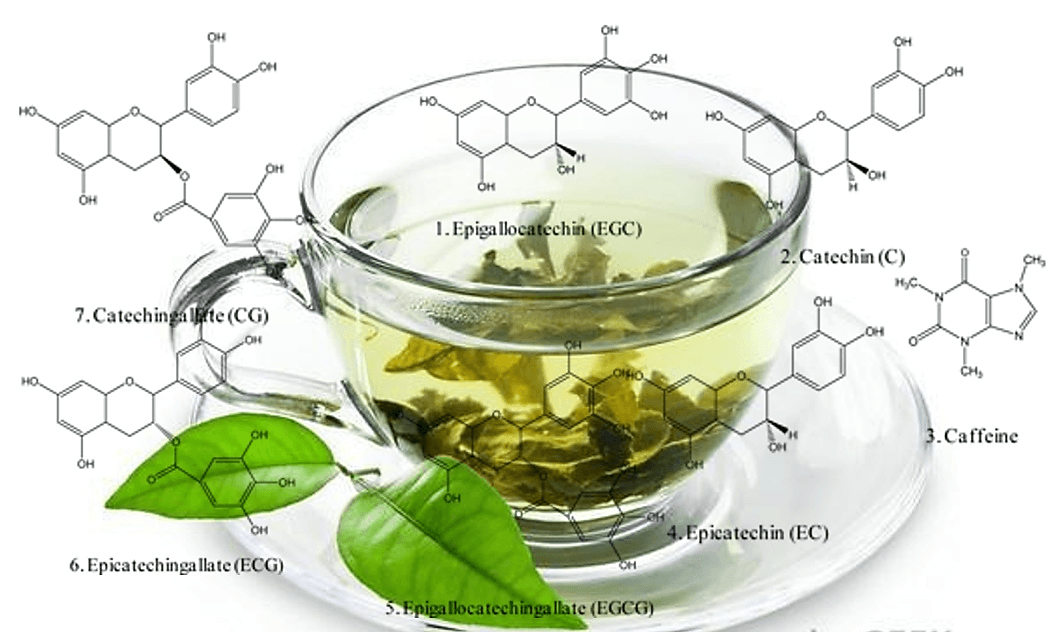
Matcha is characterized by a high concentration of flavonoids, principally catechins such as epigallocatechin gallate (EGCG), epicatechin (EC), and epicatechin gallate (ECG). These polyphenolic molecules possess multiple hydroxyl groups capable of chelating metal ions, including ferric and ferrous iron. Chelation effectively reduces the pool of free iron available for transport across the intestinal mucosa. This interaction is pH-dependent and influenced by the gastric environment and gut microbiota. Empirical studies have demonstrated dose-dependent inhibition of non-heme iron absorption in vitro and in vivo when exposed to green tea polyphenols, with matcha exhibiting higher polyphenol density due to consumption of the leaf rather than infusion alone.
Influence of Matcha's Unique Composition on Bioavailability
Beyond catechins, matcha contains other constituents such as gallic acid and theanine, which influence overall physiological effects but have limited direct impact on iron absorption. Importantly, matcha's powdered form involves the ingestion of whole leaf material, which may increase the quantity of polyphenols and potentiate iron chelation effects relative to conventional steeped green tea. However, matrix effects—including concurrent nutrient intake (ascorbic acid, animal proteins) and timing of consumption—can mitigate or exacerbate matcha's inhibitory actions. The complex interplay between matcha's biochemical profile and dietary patterns necessitates careful consideration in both clinical nutrition and functional food development.
Empirical Evidence and Clinical Implications of Matcha on Iron Status
Research Findings on Iron Absorption Modulation
Several human studies have investigated tea and green tea polyphenols' impact on iron absorption, largely confirming a reduction, particularly affecting non-heme iron. While specific research focusing on matcha is limited, extrapolation from green tea catechin studies suggests a comparable or heightened effect. Intervention trials have reported reductions in fractional iron absorption by approximately 30–60% when teas rich in polyphenols were consumed simultaneously with iron-containing meals. Animal model investigations support these findings and demonstrate alterations in iron storage markers following chronic exposure. Moreover, iron absorption inhibitors appear to exert attenuated effects in the presence of enhancers such as vitamin C, underlining the multifactorial nature of dietary iron regulation.
Population-Specific Considerations and Risk Assessment
Populations with marginal iron status—such as pregnant women, infants, adolescents, and individuals following vegetarian or vegan diets—are particularly susceptible to the inhibitory effects of matcha on iron absorption. In regions with a high prevalence of iron-deficiency anemia, habitual consumption of polyphenol-rich beverages concomitant with staple iron sources may exacerbate micronutrient deficits. Conversely, in iron-replete populations, moderate matcha intake is unlikely to pose significant risk. Quantitative risk assessments must account for dietary composition, habitual intake levels, and individual iron requirements to formulate evidence-based recommendations. Such analyses have significant implications for public health nutrition policies and functional beverage marketing strategies.
Practical Guidance and Recommendations for Optimizing Iron Nutrition with Matcha Consumption
Timing and Dietary Synergies to Mitigate Absorption Inhibition
Strategic consumption timing of matcha relative to iron-rich meals can attenuate its inhibitory effects. Recommendations include:
- Separating matcha intake from iron-containing meals by at least one to two hours.
- Concurrent consumption of iron absorption enhancers, such as ascorbic acid-rich foods or animal protein.
- Encouraging dietary diversity to balance polyphenol intake and nutrient bioavailability.
Such approaches can preserve the sensory and antioxidative benefits of matcha while minimizing nutritional compromise. Educational efforts targeted at at-risk individuals are crucial to ensuring optimal iron status.
Implications for Product Development and Global Market Trends
Given global matcha market expansion, manufacturers and nutrition professionals must integrate scientific insights into product formulation and labeling. Innovations may include:
- Fortification with iron absorption enhancers or formulation adjustments to reduce polyphenol concentration during meals.
- Consumer guidance on optimal consumption practices.
- Research-driven marketing emphasizing balanced nutritional impacts rather than generalized health claims.
These strategies align with regulatory frameworks aiming to ensure truthful, evidence-based communication regarding dietary supplements and functional foods in international markets.
Expert Analysis & FAQ
To what extent does matcha inhibit heme versus non-heme iron absorption?
Scientific consensus indicates that polyphenolic compounds in matcha predominantly inhibit non-heme iron absorption through chelation and interference with enterocyte uptake mechanisms. Heme iron absorption, mediated by distinct transport pathways, is relatively unaffected due to its higher bioavailability and limited interaction with dietary inhibitors. Thus, individuals relying on non-heme iron sources should exercise greater caution regarding matcha consumption timing.
Can antioxidants in matcha compensate for potential iron absorption reduction?
While matcha's antioxidants, such as catechins, confer various systemic benefits, their chelating properties paradoxically reduce iron bioavailability. No current evidence suggests that these antioxidants enhance iron absorption; rather, ascorbic acid (vitamin C) is recognized as the primary enhancer. Therefore, co-consumption with vitamin C-rich foods is advisable to mitigate inhibitory effects.
What are the clinical consequences of chronic matcha consumption for populations at risk of iron deficiency?
Prolonged consumption of matcha accompanied by iron-rich plant-based diets may lead to cumulative reductions in iron absorption, exacerbating or precipitating iron deficiency anemia. Clinicians should monitor iron status parameters in such populations and provide tailored dietary guidance to minimize risk while preserving cultural and individual preferences for matcha beverages.
Are there differences in iron absorption effects between matcha and traditional green tea infusions?
Yes, matcha generally contains higher concentrations of polyphenols due to ingestion of whole tea leaves versus liquid infusion. This higher polyphenol load translates into potentially greater inhibitory effects on non-heme iron absorption. However, variability in brewing methods, serving sizes, and individual physiology may influence the net impact. Further empirical studies focusing specifically on matcha are warranted to delineate these differences conclusively.
-01K7R461YA6X0ERK9PHE4062CT.webp&w=1920&q=75)