Green Tea Powder: The Next Superfood Sensation
Nghia Tran
January 23, 2026 • 7 min read
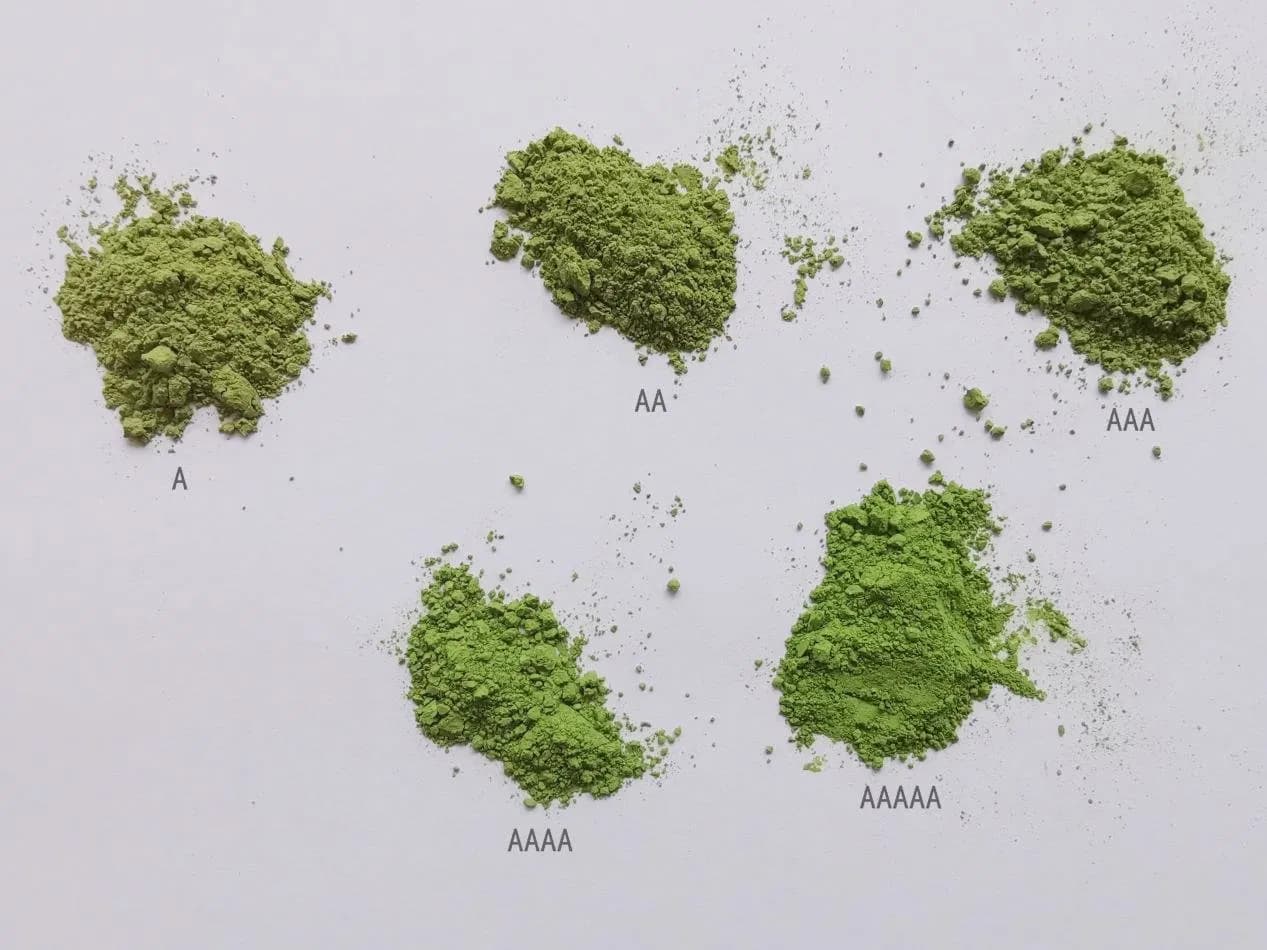
- Green tea powder embodies high concentrations of bioactive compounds, notably catechins, which confer significant antioxidant and metabolic health benefits.
- Its production process, including shading and minimal oxidation, critically influences phytochemical content and efficacy.
- Growing global demand is driven by diversification into functional foods, nutraceuticals, and cosmeceuticals, supported by expanding scientific validation.
- Challenges in standardization, quality control, and sustainable sourcing highlight the need for industry-wide rigorous protocols.
- Future growth will depend on technological innovations in extraction, processing, and clinical substantiation of health claims.
Green tea powder, a finely milled product derived primarily from the Camellia sinensis plant, is rapidly emerging as a focal point within the global superfood and functional ingredient markets. Unlike conventional green tea leaves, the powdered form is consumed in its entirety, offering a concentrated profile of bioactive molecules such as catechins, caffeine, amino acids (notably L-theanine), and vitamins. The biochemical complexity and pharmacological potential inherent in green tea powder have garnered substantial scientific interest, particularly with regard to its antioxidant, anti-inflammatory, and metabolic modulatory capacities. This editorial aims to present an in-depth evaluation of green tea powder's positioning as the next superfood sensation by analyzing its phytochemical attributes, production methodologies, market dynamics, and regulatory environment.
Phytochemical Profile and Health Implications
Constituent Bioactive Compounds
The most salient feature of green tea powder lies in its dense accumulation of polyphenolic compounds, primarily catechins, which constitute approximately 30-42% of its dry weight. Epigallocatechin gallate (EGCG) is the predominant catechin and exhibits potent free radical scavenging activity. These phenolics contribute to the neutralization of reactive oxygen species (ROS), thereby mitigating oxidative stress implicated in the pathogenesis of chronic diseases including cardiovascular disorders, neurodegeneration, and certain cancers. Additionally, non-phenolic bioactives such as L-theanine influence neurotransmitter modulation, imparting cognitive and mood benefits independent of caffeine's stimulant effects.
Metabolic and Physiological Effects
Empirical studies underscore green tea powder's role in enhancing lipid metabolism and glucose homeostasis. The molecular mechanisms involve the upregulation of AMP-activated protein kinase (AMPK) pathways, leading to increased fatty acid oxidation and improved insulin sensitivity. Clinical trials have demonstrated modest but statistically significant reductions in body mass index (BMI), low-density lipoprotein (LDL) cholesterol, and fasting glucose levels with regular consumption. Furthermore, the anti-inflammatory properties, mediated through downregulation of pro-inflammatory cytokines such as tumor necrosis factor-alpha (TNF-α) and interleukins, position green tea powder as a candidate ingredient in mitigating chronic inflammation-linked disorders.
Production and Processing Technologies
Agronomic Practices and Leaf Harvesting
The quality and efficacy of green tea powder are substantially influenced by agronomic variables including cultivar selection, cultivation altitude, shading techniques, and harvest timing. Particularly, shading of tea plants prior to harvest elevates chlorophyll and free amino acid content while augmenting catechin stability by reducing photooxidative degradation. The harvesting of young leaves ensures optimal phenolic content, as catechin concentrations diminish with leaf maturation. Post-harvest, the leaves undergo meticulous steaming or pan-firing to arrest enzymatic oxidation, preserving their green color and biochemical integrity.
Powdering and Quality Control
Subsequent processing involves drying and micronization, commonly through jet milling or ball milling, producing uniform fine powders essential for consistent solubility and bioavailability. Quality control parameters evaluate parameters such as moisture content (<5%), particle size distribution, catechin concentration (particularly EGCG content), and microbiological purity. Analytical techniques including high-performance liquid chromatography (HPLC) and mass spectrometry (MS) are indispensable for phytochemical quantification and authenticity verification, mitigating risks of adulteration or counterfeit products.
Market Dynamics and Industry Trends
Global Market Overview
Market intelligence reports estimate the global green tea powder market to exhibit a compound annual growth rate (CAGR) of approximately 6-8% over the next five years, fueled by rising consumer consciousness regarding health and wellness. The Asia-Pacific region, notably China and Japan, remains the dominant supplier and consumer base, while Europe and North America represent expanding markets due to increasing incorporation into beverages, dietary supplements, and functional foods. The product's versatility in culinary applications, including smoothies, baked goods, ice creams, and meal replacements, enhances its appeal among health-oriented consumers.
Regulatory Considerations and Standardization
Despite its widespread use, green tea powder faces regulatory scrutiny relating to health claims, pesticide residues, and heavy metal contamination. Authorities such as the U.S. Food and Drug Administration (FDA) and the European Food Safety Authority (EFSA) demand rigorous substantiation of functional claims to prevent misleading consumers. Standardization initiatives focus on establishing reference ranges for bioactives, permissible contaminant limits, and labeling transparency. Moreover, certification schemes related to organic cultivation and fair-trade sourcing are gaining traction for ecological sustainability and social responsibility.
Future Directions and Scientific Challenges
Innovations in Extraction and Formulation
Advances in green extraction technologies, including supercritical fluid extraction and ultrasonication, offer prospects for enhancing the yield and purity of catechins and other phytochemicals. Nanoemulsion and encapsulation techniques improve the bioavailability and controlled release of active ingredients, addressing challenges posed by degradation in the gastrointestinal tract. Integration of green tea powder into synergistic nutraceutical formulations, combined with probiotics or vitamins, is an emergent area aimed at maximizing health outcomes.
Clinical Validation and Mechanistic Research
The complexity of human physiology necessitates large-scale, randomized controlled trials to conclusively determine dose-response relationships and long-term safety profiles of green tea powder supplementation. Multi-omics approaches, encompassing genomics, metabolomics, and proteomics, are instrumental in elucidating the mechanistic pathways underpinning observed therapeutic effects. Such research will provide the evidentiary foundation required for regulatory acceptance and consumer confidence in functional claims.
Expert Analysis & FAQ
What differentiates green tea powder from traditional brewed green tea in terms of bioactive compound availability?
Green tea powder differs fundamentally because the entire leaf is consumed in powdered form, as opposed to infusion extraction where soluble compounds diffuse into water leaving residual solids. This results in a significantly higher intake of phytochemicals per serving, notably catechins and amino acids. Consequently, bioactive concentration and, potentially, efficaciousness are greater in the powdered form. However, bioavailability can vary based on matrix interactions and digestive processes.
How do cultivation and processing techniques influence the antioxidant capacity of green tea powder?
Shading practices prior to harvest increase chlorophyll content and promote the synthesis of L-theanine while preserving catechins by minimizing ultraviolet-induced oxidation. Immediate steaming or pan-firing halts enzyme-mediated oxidation, essential for maintaining the green color and catechin integrity. Moreover, drying parameters affect moisture content, influencing storage stability. These factors collectively determine the antioxidant power measured by assays such as DPPH or ORAC, linking agricultural and manufacturing practices directly to functional quality.
What are the key challenges in standardizing green tea powder for industrial and pharmaceutical use?
Standardization is impeded by natural variability in plant genetics, growing conditions, and processing methodologies. Ensuring consistent bioactive profiles demands stringent quality control, validated analytical methods, and adherence to good manufacturing practices (GMP). Additionally, potential contamination from pesticides, heavy metals, and microbial agents must be rigorously monitored. The absence of universally accepted pharmacopeial monographs for green tea powder complicates regulatory harmonization and clinical application.
Can green tea powder be integrated into existing nutraceutical products without altering their efficacy?
Integration is feasible but requires careful consideration of interaction effects, stability, and bioavailability. Green tea powder's polyphenols may chelate metal ions or interact with other antioxidants, potentially affecting the efficacy of co-formulated ingredients. Encapsulation and controlled-release technologies can mitigate degradation and preserve desired pharmacokinetics. Formulation scientists must conduct compatibility studies and stability analyses to ensure that the addition of green tea powder enhances rather than compromises the product's functional profile.

-01K7R461YA6X0ERK9PHE4062CT.webp&w=1920&q=75)