Green Tea Powder: The Superfood Transforming Wellness
Nghia Tran
February 5, 2026 • 6 min read
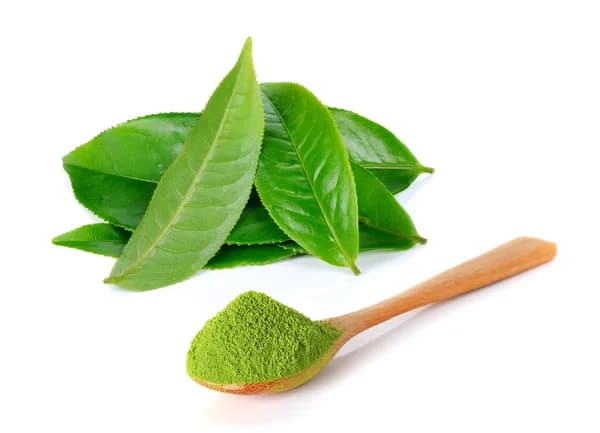
- Green tea powder contains concentrated bioactive compounds that significantly impact human health, particularly antioxidants and catechins.
- The global green tea powder market is expanding rapidly due to rising consumer demand for functional foods with holistic health benefits.
- Advanced processing methods improve the retention of green tea's active components, enhancing its efficacy in nutraceutical applications.
- Scientific studies increasingly corroborate green tea powder's role in metabolic health, neuroprotection, and chronic disease mitigation.
- Regulatory considerations and standardization remain critical challenges for consistent product quality and safety in global trade.
Green tea powder, predominantly derived from Camellia sinensis leaves, has evolved beyond its traditional beverage use to become a focal point in the functional nutrition sector. Its ascent in the global wellness market is underpinned by a complex interplay of biochemical potency, enhanced production technologies, and escalating consumer awareness regarding preventive health. This editorial provides an analytic overview of green tea powder's physicochemical characteristics, health-related bioactivities, market dynamics, production methodologies, and regulatory frameworks shaping its role as a superfood in contemporary healthcare paradigms.
Chemical Composition and Bioactive Constituents of Green Tea Powder
Polyphenols and Catechins: The Core Functional Molecules
At the heart of green tea powder's therapeutic potential lie polyphenolic compounds, primarily catechins, which constitute approximately 30-42% of the dry leaf weight. Epigallocatechin gallate (EGCG) is the most abundant and bioactive catechin, known for its potent antioxidant capacity. These polyphenols exhibit molecular structures conducive to free radical scavenging, metal chelation, and modulation of cell signaling pathways involved in inflammation and apoptosis. The predominance of these molecules in a finely milled green tea powder enables greater bioavailability compared to infusion methods, due to the ingestion of the entire leaf matter.
Additional Phytochemicals and Nutrients
Besides catechins, green tea powder encompasses other functional constituents, including theanine (an amino acid known for cognitive modulation), caffeine, vitamins (notably B-complex and C), and trace minerals such as manganese and zinc. The synergistic interactions among these compounds contribute to the multifaceted health effects associated with green tea powder consumption. Moreover, chlorophyll and dietary fibers present in the powder form further support detoxification pathways and gut microbiota balance, aspects increasingly recognized in integrative health research.
Processing Technologies and Their Impact on Quality
Harvesting and Leaf Selection
The quality of green tea powder is contingent upon pre-processing factors, especially the selection of young, tender shoots, which harbor higher polyphenol content. Harvest timing and agronomic conditions substantially influence phytochemical profiles. Mechanical harvesting methods are being optimized to minimize leaf damage and enzymatic oxidation, which can deteriorate the functional quality of the final powder product.
Manufacturing Techniques: From Steaming to Freeze-Drying
Standard green tea manufacturing involves a sequence of withering, steaming or pan-firing, rolling, and drying. For powder production, particular emphasis is placed on preserving catechin integrity. Steaming, prevalent in Japanese-style products, effectively inactivates polyphenol oxidase enzymes, minimizing oxidation and degradation of bioactives. Post-drying, leaves are pulverized into ultra-fine powder, often using advanced milling methods to achieve consistent particle size. Freeze-drying techniques have emerged as superior approaches to retain maximum antioxidant activity and nutrient density, albeit at higher processing costs. Critical considerations in manufacturing also include moisture control and packaging under inert atmospheres to prevent oxidative damage during storage.
Health Benefits and Scientific Evidence
Metabolic Regulation and Cardiovascular Health
Empirical evidence suggests that green tea powder exhibits significant effects on metabolic syndrome markers. Clinical trials have documented improvements in lipid profiles, blood glucose regulation, and body fat reduction with regular consumption. The antioxidative mechanisms of catechins mitigate oxidative stress implicated in endothelial dysfunction and atherosclerosis. Furthermore, green tea powder modulates gene expression linked to lipid metabolism and inflammatory cytokines, contributing to cardiovascular risk reduction.
Neuroprotection and Cognitive Enhancement
Interest in green tea powder's neuropharmacological properties has intensified due to its neuroprotective and psychotropic effects. Theanine and caffeine jointly enhance cognitive performance, promoting attention and working memory. At a cellular level, polyphenols exhibit anti-amyloidogenic properties, reducing beta-amyloid accumulation, a hallmark of neurodegenerative diseases such as Alzheimer's. Animal and in vitro studies further indicate that green tea catechins can attenuate neuroinflammation and oxidative neuronal damage, although extensive human trials remain ongoing to confirm these effects.
Market Trends and Regulatory Perspectives
Global Market Dynamics and Consumer Demand
The green tea powder market has witnessed exponential growth, driven primarily by shifting consumer preferences towards plant-based, natural, and minimally processed superfoods. Markets in North America, Europe, and Asia-Pacific showcase heterogeneous demand patterns, influenced by cultural acceptance and health awareness. Innovations in product formulations, such as incorporation into beverages, supplements, and functional foods, have catalyzed market penetration. Supply chains are increasingly leveraging traceability technologies and sustainable agricultural practices to meet stringent quality standards and environmental concerns.
Regulatory Challenges and Standardization Efforts
Despite its widespread acceptance, green tea powder faces regulatory scrutiny related to health claims, contamination risks, and standardization of bioactive content. Variability in catechin concentrations due to regional cultivation and processing necessitates codified analytical benchmarks for quality assurance. International bodies such as the Codex Alimentarius Commission have started to provide guidance on acceptable residue levels and labeling practices. Moreover, consumer safety is addressed through testing for heavy metals, pesticide residues, and microbial contamination. Harmonization of regulatory frameworks remains imperative to facilitate cross-border trade and consumer protection.
Expert Analysis & FAQ
How does the bioavailability of green tea powder compare to that of brewed green tea?
Green tea powder offers enhanced bioavailability relative to brewed tea, as the entire leaf material is consumed rather than a water extract. This holistic intake includes insoluble polyphenols and fibers otherwise lost during infusion. However, the matrix complexity may influence absorption kinetics. Studies indicate that catechins from powder forms demonstrate higher plasma concentrations and prolonged half-life, translating to increased systemic efficacy.
What processing parameters are most critical to preserving EGCG levels in green tea powder?
Key processing parameters include the rapid inactivation of polyphenol oxidase enzymes through steaming or pan-firing immediately post-harvest to prevent oxidation. Drying temperatures must be moderated to avoid thermal degradation, while milling should minimize heat generation. Additionally, controlled atmosphere packaging with reduced oxygen levels is crucial during storage to maintain EGCG stability over time.
Are there documented adverse effects or contraindications associated with green tea powder consumption?
While generally regarded as safe for the general population, excessive intake of green tea powder or high doses of isolated catechins may lead to hepatotoxicity, gastrointestinal disturbances, and interference with certain pharmaceuticals such as anticoagulants. Caffeine content also warrants caution among sensitive individuals. Regulatory agencies recommend adherence to established consumption limits and stress the need for further studies on long-term exposure, especially in vulnerable populations.
What future research directions are necessary to fully integrate green tea powder into clinical nutrition?
Future research must focus on large-scale, randomized controlled trials to delineate optimal dosages, bioefficacy endpoints, and long-term safety. Molecular studies elucidating mechanisms of action at genetic and epigenetic levels could enhance targeted therapeutic applications. Investigations into personalized nutrition approaches considering genetic polymorphisms impacting polyphenol metabolism are also critical. Furthermore, development of standardized extraction and formulation technologies will consolidate green tea powder's role in evidence-based clinical nutrition.
-01K7R461YA6X0ERK9PHE4062CT.webp&w=1920&q=75)