Does Green Tea Impact Iron Absorption? Discover Now
Nghia Tran
January 23, 2026 • 6 min read
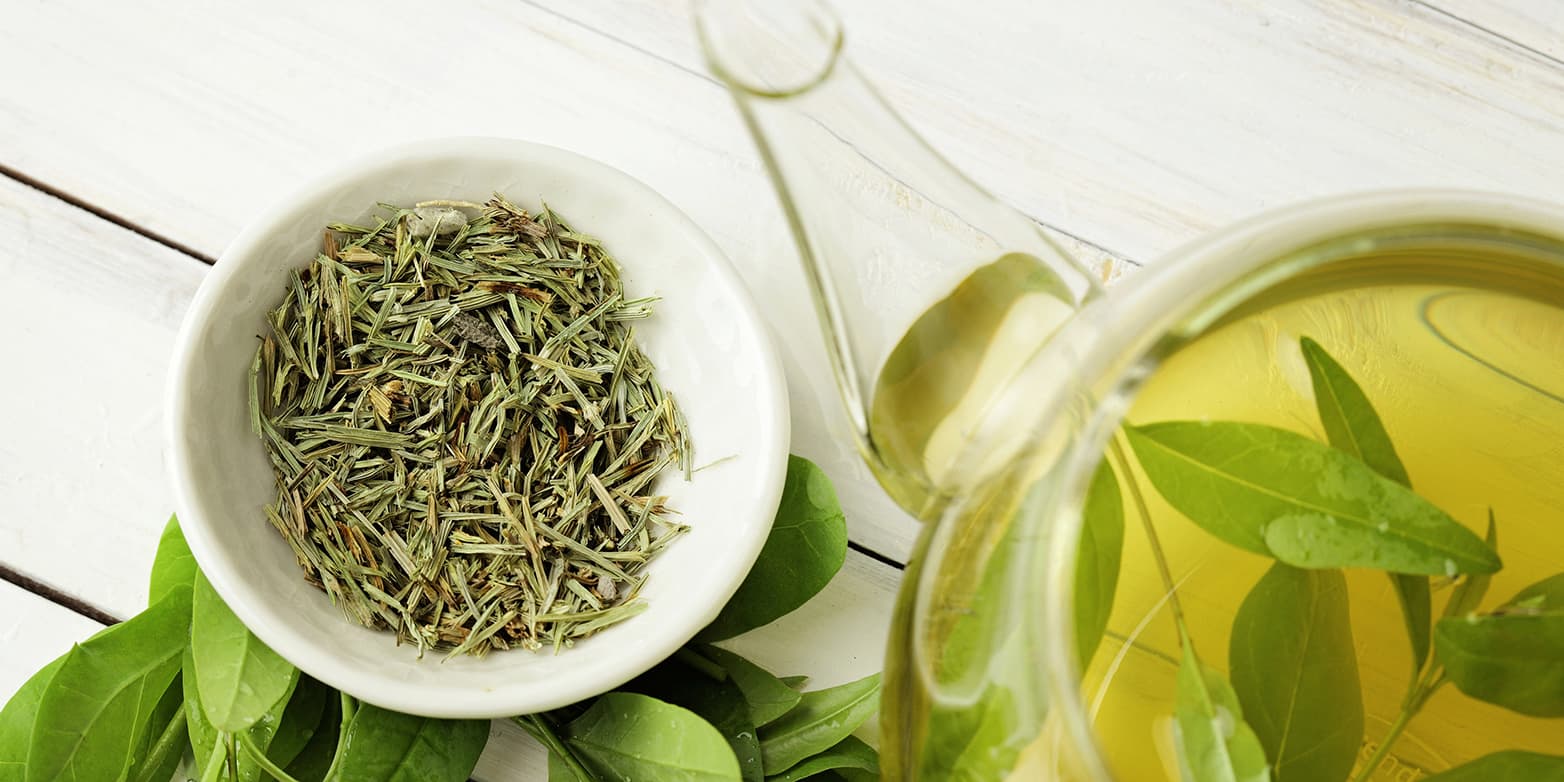
- Polyphenolic compounds in green tea, primarily catechins, exhibit a marked inhibitory effect on non-heme iron absorption.
- The extent of iron absorption reduction varies by iron source, individual iron status, and timing of green tea consumption relative to meals.
- The modulation of iron bioavailability by green tea has significant implications for populations at risk of iron deficiency anemia and those with high dietary iron demands.
- Understanding the mechanistic pathways of inhibition informs dietary recommendations, particularly in clinical nutrition and public health contexts.
- Further research is necessary to quantify long-term effects and potential mitigation strategies in diverse demographic and physiological cohorts.
Iron absorption is a critical physiological process, tightly regulated due to iron's indispensable role in oxygen transport, enzymatic reactions, and cellular metabolism. Green tea, globally consumed both as a beverage and in supplement form, contains bioactive polyphenols with known antioxidant properties. However, the interplay between green tea constituents and iron absorption has attracted considerable scientific scrutiny, particularly because iron deficiency remains the most prevalent nutritional disorder worldwide. The following editorial examines the scientific evidence on how green tea affects iron absorption, its biochemical underpinnings, practical nutritional considerations, and implications for industrial stakeholders in the food and nutritional science sectors.
Biochemical Mechanisms Underlying Green Tea and Iron Interaction
Role of Polyphenols in Modulating Iron Bioavailability
Green tea is rich in flavonoids, with catechins such as epigallocatechin gallate (EGCG), epicatechin gallate (ECG), and epicatechin (EC) dominating the polyphenolic profile. These polyphenols exhibit a high affinity for binding divalent metal ions, including ferrous (Fe2+) and ferric (Fe3+) forms of dietary iron. The complexation between catechins and iron results in the formation of insoluble or non-absorbable complexes in the gastrointestinal tract. This biochemical sequestration reduces the fraction of free iron available for uptake by enterocytes, primarily in the duodenum where iron absorption is most active. The chelation process is reversible but kinetically stable enough to significantly inhibit iron transport across the intestinal mucosa.
Impact on Non-Heme vs. Heme Iron Absorption
Iron in the human diet exists predominantly as heme iron, derived from hemoglobin and myoglobin in animal tissues, and non-heme iron, predominantly inorganic iron salts found in plant-based foods and fortified products. Empirical studies have demonstrated that green tea polyphenols predominantly impair non-heme iron absorption, which relies on reduction and solubilization mechanisms susceptible to interference by chelators. Conversely, heme iron uptake, mediated by distinct transport proteins such as heme carrier protein 1 (HCP1), appears relatively resistant to green tea-induced inhibition. This differential effect underscores the heterogeneous impact of green tea on iron bioavailability dependent on dietary composition.
Quantitative Assessments and Clinical Significance
Human Trials and Meta-Analyses on Iron Absorption
Controlled clinical trials employing isotopic iron tracers have quantified the extent to which green tea consumption reduces iron absorption. Studies report reductions in non-heme iron absorption ranging from 30% to over 90%, contingent on the dose of polyphenols and timing relative to meals. For example, co-ingestion of green tea or its extract with a high-phytate, non-heme iron meal significantly attenuates iron uptake. Meta-analytical syntheses confirm this inhibitory effect but highlight substantial heterogeneity due to variations in experimental design and population characteristics. Importantly, longer-term observational data suggest that habitual green tea consumption may contribute to lower iron stores, especially in populations with marginal iron intake or increased requirements such as women of reproductive age and infants.
Implications for At-Risk Populations and Nutritional Management
This inhibitory effect has pronounced consequences for individuals vulnerable to iron deficiency anemia (IDA). In regions where green tea consumption is culturally prevalent and iron intake is predominantly non-heme, the risk of iron deficiency escalates. Nutritional management strategies often recommend timing green tea consumption away from iron-rich meals to mitigate inhibitory effects. Furthermore, the presence of ascorbic acid (vitamin C) in meals can counteract polyphenol-induced inhibition by maintaining iron in a reduced, soluble state conducive to absorption. These complexities necessitate nuanced dietary guidelines balancing the health benefits of green tea and the imperative to maintain adequate iron status.
Industry and Public Health Perspectives
Green Tea in Functional Foods and Nutraceuticals
The intersection of green tea's commercial proliferation and iron nutrition science generates key challenges and opportunities for the food and nutraceutical industries. Formulating products incorporating green tea extracts must consider potential adverse impacts on iron bioavailability, especially in supplement blends targeting populations with suboptimal iron status. Regulatory frameworks necessitate evidence-based communication regarding iron absorption and bioavailability effects, warranting rigorous in vitro and in vivo validation during product development. Additionally, modification of polyphenol content, through extraction techniques or ingredient selection, can be employed to mitigate iron absorption interference while maintaining antioxidant capacity.
Public Health Nutrition and Dietary Recommendations
From a public health perspective, education campaigns in regions with endemic iron deficiency should integrate guidance on green tea consumption relative to iron intake. International health agencies advocate for dietary diversification and fortification strategies accompanied by tailored behavioral recommendations. Awareness of green tea's potential to exacerbate iron deficiency highlights the need for context-specific guidelines that reconcile cultural dietary practices with micronutrient sufficiency. Ongoing epidemiological surveillance and intervention studies are essential to refine these recommendations, balancing the promotion of green tea's cardiometabolic benefits against the risk of compromised iron nutrition.
Expert Analysis & FAQ
Q1: To what extent does green tea affect heme iron absorption compared to non-heme iron?
Current evidence indicates that green tea polyphenols profoundly inhibit the absorption of non-heme iron, with reductions sometimes exceeding 80%. Heme iron, however, is absorbed via a distinct pathway involving heme transporters and is generally less impacted by polyphenols. This distinction is critical because it implies that individuals consuming mixed diets with sufficient heme iron sources are less likely to experience iron deficiency related to green tea consumption.
Q2: Can the inhibitory effects of green tea on iron absorption be mitigated?
Yes, several factors attenuate the inhibitory impact of green tea. Co-consumption of ascorbic acid-rich foods can enhance iron solubility and absorption despite the presence of polyphenols. Furthermore, consuming green tea between meals rather than simultaneously with iron-rich foods reduces direct interaction in the gastrointestinal milieu. Additionally, food matrix components such as animal protein can potentiate iron absorption and offset inhibition by polyphenols.
Q3: Are certain populations more vulnerable to green tea-induced iron absorption inhibition?
Populations relying heavily on plant-based diets with limited heme iron sources and those with increased physiological iron demands (e.g., pregnant women, infants, adolescents) are most susceptible. In developing countries with prevalent iron deficiency anemia, habitual green tea consumption may contribute to compromised iron status. Thus, tailored dietary planning and supplementation are imperative to mitigate risk.
Q4: What are the implications for research and future product development?
The complex interplay between green tea polyphenols and iron bioavailability necessitates expanded research focusing on long-term health outcomes, differential effects across diverse populations, and modulation by dietary factors. Product developers should consider the bioavailability impact when formulating green tea-containing functional foods or supplements, potentially exploring polyphenol fractionation or combination with iron absorption enhancers. Ultimately, integrating mechanistic insights with population-level data will optimize health benefits while minimizing nutritional risks.
-01K7R461YA6X0ERK9PHE4062CT.webp&w=1920&q=75)