Pair Acne Cream: The Power Duo for Flawless Skin
Nghia Tran
January 23, 2026 • 6 min read
- Pair acne cream combines dual active ingredients to target inflammatory and comedonal acne effectively.
- Its formulation balances antimicrobial and keratolytic activities, optimizing acne lesion reduction and skin barrier preservation.
- Clinical evidence underscores superior efficacy of combination therapies over monotherapy in acne management.
- The global market for combination acne treatments is expanding due to rising prevalence and demand for efficacious topical options.
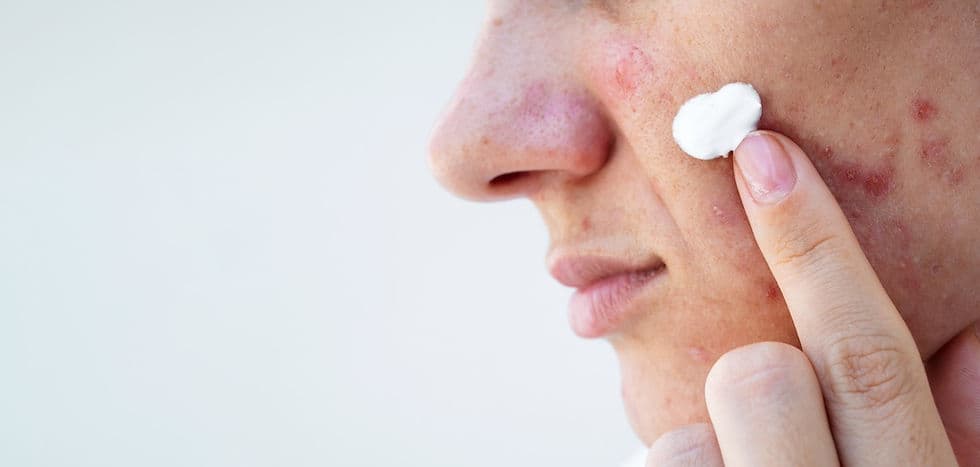
Acne vulgaris, a multifactorial dermatological condition, continues to pose significant therapeutic challenges necessitating potent yet tolerable treatment modalities. Among topical solutions, pair acne cream has emerged as a notable combination therapy, integrating dual active pharmaceutical ingredients designed to address multiple pathogenic factors involved in acne formation. This editorial provides an in-depth analysis of the pharmacodynamics, formulation science, market trends, and clinical outcomes pertaining to pair acne cream within the global dermatological pharmaceutical landscape.
Pharmacological Foundations of Pair Acne Cream
Dual Active Ingredients and Their Mechanisms
Pair acne cream typically comprises two principal components: an antibacterial agent such as benzoyl peroxide and a topical antibiotic or retinoid derivative. Benzoyl peroxide functions by exerting robust bactericidal effects against Cutibacterium acnes (formerly Propionibacterium acnes), the gram-positive anaerobic bacterium implicated in acne pathogenesis. Its mechanism involves the generation of reactive oxygen species, which disrupt microbial cell membranes. Concurrently, the second agent acts as a keratolytic or anti-inflammatory compound, facilitating desquamation of follicular epithelium and reduction of microcomedones, thus preventing lesion formation.
Synergistic Effects on Acne Pathogenesis
The synergism embedded in pair acne cream arises from compounded antimicrobial action alongside normalization of follicular keratinization. This dual approach counters both bacterial colonization and hyperkeratosis—the primary etiological contributors to acne lesions. Furthermore, the combined formulation mitigates the risk of antibiotic resistance by incorporating non-antibiotic bactericidal molecules. Scientific literature substantiates that such combination therapy can decrease inflammatory lesions more rapidly and effectively compared to single-agent treatments, leading to enhanced patient adherence and improved clinical outcomes.
Formulation Science and Dermatological Considerations
Vehicle Optimization and Skin Penetration
The therapeutic efficacy of pair acne cream depends not only on the active ingredients but also on the vehicle used for topical delivery. Semi-solid emulsions, such as creams, facilitate even distribution and adequate skin absorption. The formulation employs excipients that optimize drug stability, skin permeability, and minimize irritation—a critical factor given the potential for benzoyl peroxide to disrupt epidermal barrier integrity. Emollients and humectants within the formulation assist in preserving moisture content of the stratum corneum, thereby reducing xerosis and erythema typically associated with keratolytic therapies.
Irritation Potential and Dermatological Safety
While the dual-component nature confers superior efficacy, it also accentuates the risk of adverse cutaneous reactions. Dermatological safety assessments focus on minimizing irritant contact dermatitis, photosensitivity, and allergic responses. Comprehensive clinical trials implement patch testing and controlled patient monitoring to evaluate tolerability. Strategies to attenuate irritation include gradual dose titration, incorporation of soothing agents, and patient education on appropriate application frequency. This balance between potency and comfort is pivotal for sustained treatment success and regulatory approval.
Market Dynamics and Industry Trends
Global Prevalence and Demand Drivers
The incidence of acne vulgaris remains high worldwide, particularly among adolescents and young adults, fueling demand for effective topical treatments. Epidemiological surveys indicate a prevalence exceeding 85% in this demographic. Consequently, the market for sophisticated acne therapeutics, including combination creams, is expanding in parallel with rising consumer awareness and preference for non-invasive management options. Furthermore, the increasing recognition of acne's psychosocial impact accentuates government and industry focus on accessible, evidence-based interventions.
Regulatory and Competitive Landscape
Pair acne cream formulations are subject to stringent regulatory scrutiny, encompassing efficacy demonstration, safety profiling, and manufacturing quality control. Regulatory agencies worldwide, including the FDA and EMA, have established comprehensive guidelines for combination topical agents requiring demonstration of additive or synergistic benefit over monotherapy. Competitive dynamics in this sector are propelled by innovation in delivery systems, patent portfolios, and formulation enhancements aimed at differentiation. Generic formulations have further expanded market accessibility, though branded products often command premium positioning due to proprietary ingredient ratios and clinical validation.
Clinical Outcomes and Evidence-Based Efficacy
Comparative Clinical Trials and Meta-Analysis
Clinical investigations comparing pair acne cream to monotherapy or placebo have consistently demonstrated superior efficacy in reducing lesion count, inflammatory markers, and grading scores such as the Global Acne Grading System (GAGS). Randomized controlled trials (RCTs) indicate faster response rates and sustained remission periods when using combination formulations. Meta-analyses further support these findings by aggregating diverse study populations and delineating statistical significance. Patient-reported outcomes also underscore improved quality of life metrics associated with reduced symptomatology.
Long-Term Use and Resistance Mitigation
Longitudinal studies assess the implications of prolonged usage of pair acne cream, particularly in the context of antibiotic stewardship. The incorporation of benzoyl peroxide serves to reduce microbial resistance development, a known limitation in antibiotic monotherapy. Consequently, combination therapy aligns with contemporary guidelines advocating for resistance minimization. Additionally, maintenance regimens employing pair acne cream or adjusted formulations contribute to relapse prevention while balancing tolerability. These clinical insights inform best practice recommendations endorsed by dermatological associations globally.
Expert Analysis & FAQ
What differentiates pair acne cream from other topical acne treatments?
Pair acne cream is distinguished by its dual mechanism of action that simultaneously targets bacterial colonization and follicular keratinization. Unlike monotherapies that may only provide antimicrobial effects or exfoliation, the combination enhances lesion resolution efficacy and reduces potential for antibiotic resistance. This multi-faceted approach results in superior clinical outcomes compared to single-agent options.
How do formulation components influence the efficacy and safety of pair acne cream?
The vehicle and excipients within the cream formulation play a critical role in modulating drug delivery, skin absorption, and irritation profile. Optimized emulsions enhance penetration of active agents into pilosebaceous units while preserving the epidermal barrier. Incorporation of soothing and moisturizing compounds mitigates side effects such as dryness, ensuring better patient compliance. Therefore, formulation science is integral to balancing therapeutic potency with dermatological tolerability.
What are the implications of antibiotic resistance in the use of pair acne cream?
The use of combination therapy with benzoyl peroxide reduces the risk of developing antibiotic-resistant strains of Cutibacterium acnes by effectively eradicating bacteria through oxidative mechanisms. This is particularly significant given increasing resistance rates associated with topical antibiotics used in isolation. Combination products thus represent a strategic intervention in antibiotic stewardship within dermatology.
Can pair acne cream be integrated into long-term acne management protocols?
Yes, pair acne cream is suitable for both acute treatment phases and maintenance regimens. Its dual-mode action aids in clearing active lesions and preventing new comedone formation. Long-term use with appropriate physician supervision ensures sustained control of acne symptoms while minimizing adverse reactions and resistance development, making it a viable component of comprehensive dermatological care.